
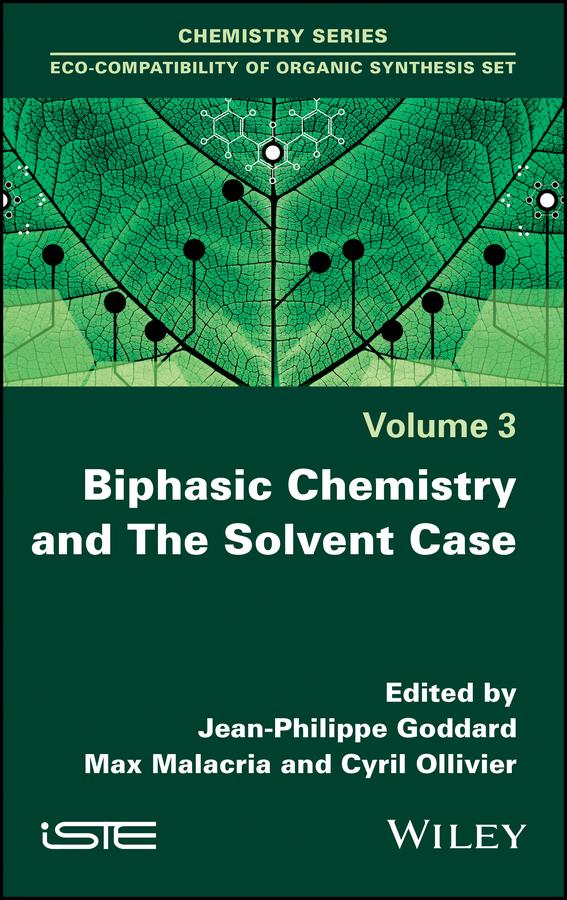
Biphasic Chemistry and The Solvent Case examines recent improvements in reaction conditions, in order to affirm the role of chemistry in the sustainable field.
This book shows that those who work within the chemistry industry support limits for the use of toxic or flammable solvents, since it reduces the purifications to simple filtrations. Thanks to commercial scavengers, solid phase syntheses are now available to all. Fluorine biphasic catalysis enables extremely efficient catalyst recycling and has a high applicability potential at the industrial level.
This book also reviews the many studies that have shown that water is a solvent of choice for most synthetic reactions. Particular traits can be obtained and the effects on thermodynamics make it possible to operate at lower temperatures, thereby achieving energy savings. Finally the great diversity of application of the reactions without solvents is illustrated.
Pay easily by card, Klarna, Apple Pay or Google Pay. Not happy? You always have a 14-day money-back guarantee. Read more in our terms. If you have any questions, email us at hello@memmo.org.
Memmo makes studying easier – wherever you are in the world. We bring your course books and smart study tools together in one place: summaries, quizzes, podcasts and flashcards. Plus Ted, your study buddy who answers anything you wonder. Over 75,000 students already study here – built to help you learn faster and stress less.