
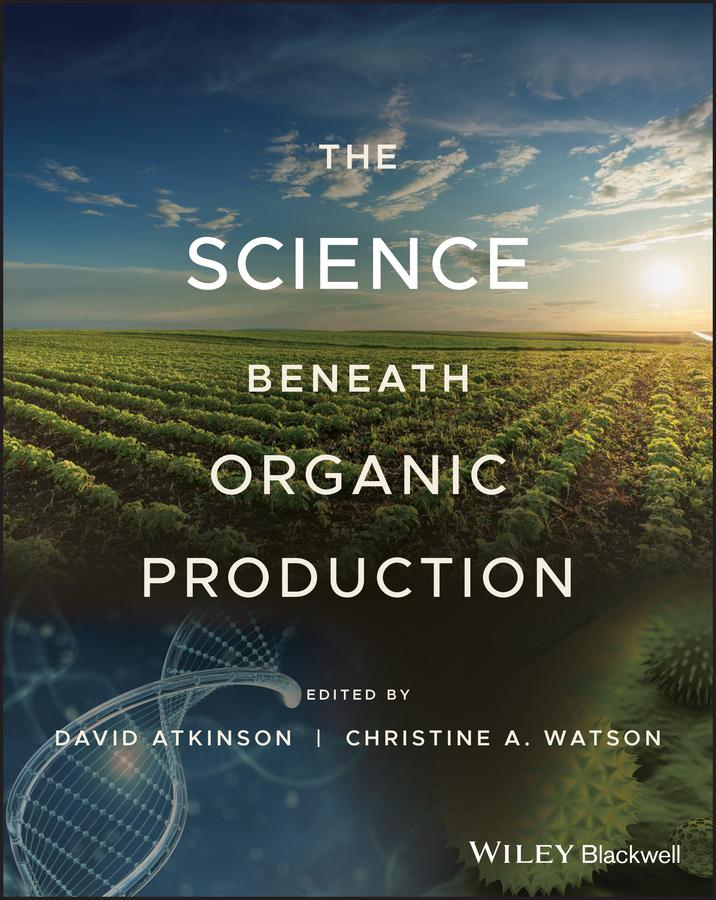
A groundbreaking book that addresses the science that underpins organic agriculture and horticulture and its impact upon the management of organic systems
With contributions from noted experts in the field, Organic Agriculture explores the cultural context of food production and examines the historical aspects, economic implications, and key scientific elements that underpin organic crop production. The book shows how a science-based approach to organic farming is grounded in history and elements of the social sciences as well as the more traditional areas of physics, chemistry and biology.
Organic Agriculture offers a detailed explanation of the differences between organic systems and other approaches, answering questions about crop production and protection, crop rotations, soil health, biodiversity and the use of genetic resources. The authors identify current gaps in our understanding of the topic and discuss how organic farming research may be better accomplished in the future. This important book:
- Explores the science that underpins organic farming
- Contains illustrative case studies from around the world
- Examines organic agriculture’s philosophical roots and its socio-economic context
Written for scientists and students of agriculture and horticulture, this book covers the issues linked to the use of science by organic producers and identifies key elements in the production of food.
Pay easily by card, Klarna, Apple Pay or Google Pay. Not happy? You always have a 14-day money-back guarantee. Read more in our terms. If you have any questions, email us at hello@memmo.org.
Memmo makes studying easier – wherever you are in the world. We bring your course books and smart study tools together in one place: summaries, quizzes, podcasts and flashcards. Plus Ted, your study buddy who answers anything you wonder. Over 50,000 students already study here – built to help you learn faster and stress less.