
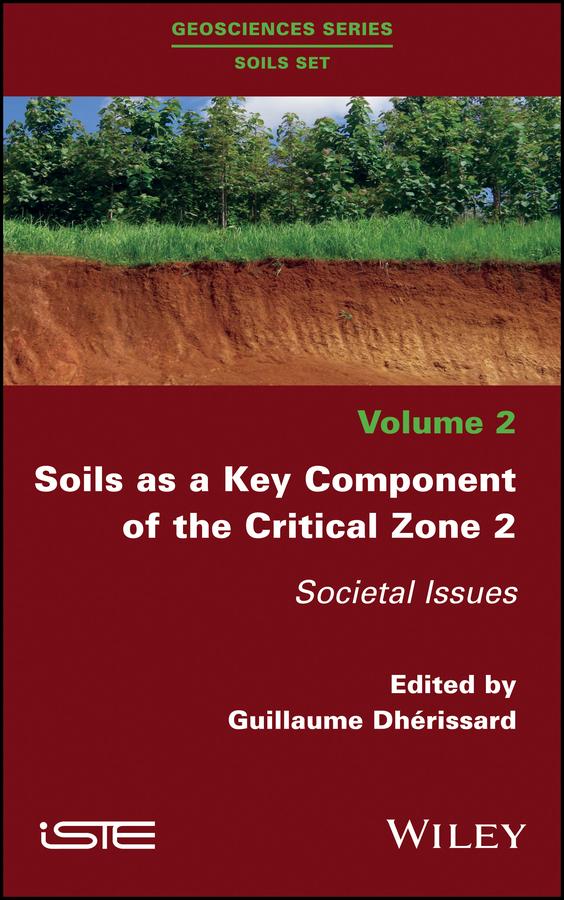
This volume comprises three parts: 1) from local to global, 2) what type of sustainable management? 3) territorial approaches. The first chapter demonstrates, from the French example, that better soil management is a societal issue. At the global level, the second chapter raises the question of land grabbing and land use conflicts. This book also raises the question of the legal status of the soil. It then shows how soils need to be integrated when defining sustainable agricultural systems. French and European examples illustrate how taking environmental problems into account depends as much on their acuity as on how problems are perceived by public and private, social or economic actors. Therefore, it is important to promote co-diagnosis involving the scientific community and the various other actors in order to improve the regulation on soils. This multi-actor soil governance is facilitated by the use of simple soil quality indicators. Finally, examples in France and Vietnam show how soils are to be considered as territorial commons within landscapes. This last chapter recommends in particular to put an end to the absolute right of soil ownership and to distribute the usufruct of land between various private and public beneficiaries.
Pay easily by card, Klarna, Apple Pay or Google Pay. Not happy? You always have a 14-day money-back guarantee. Read more in our terms. If you have any questions, email us at hello@memmo.org.
Memmo makes studying easier – wherever you are in the world. We bring your course books and smart study tools together in one place: summaries, quizzes, podcasts and flashcards. Plus Ted, your study buddy who answers anything you wonder. Over 50,000 students already study here – built to help you learn faster and stress less.