
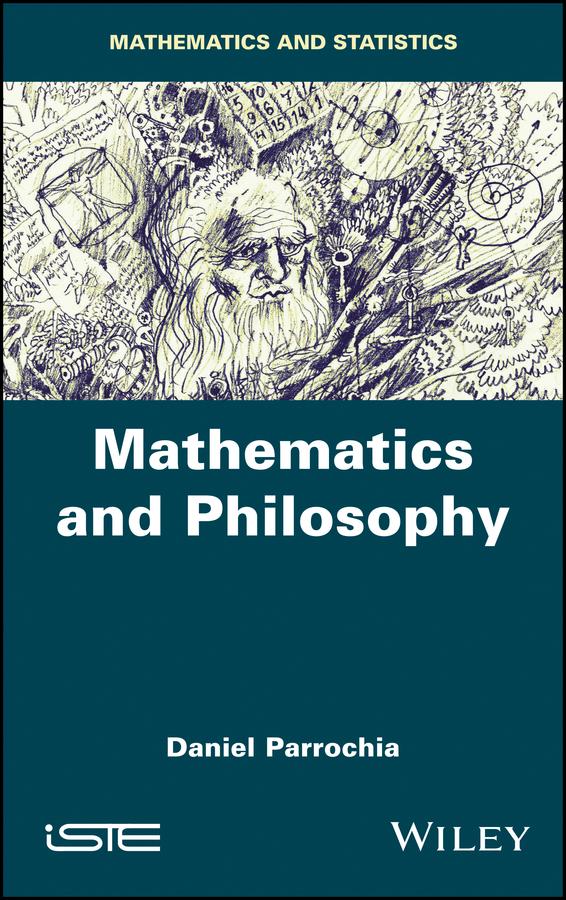
This book, which studies the links between mathematics and philosophy, highlights a reversal. Initially, the (Greek) philosophers were also mathematicians (geometers). Their vision of the world stemmed from their research in this field (rational and irrational numbers, problem of duplicating the cube, trisection of the angle...). Subsequently, mathematicians freed themselves from philosophy (with Analysis, differential Calculus, Algebra, Topology, etc.), but their researches continued to inspire philosophers (Descartes, Leibniz, Hegel, Husserl, etc.). However, from a certain level of complexity, the mathematicians themselves became philosophers (a movement that begins with Wronsky and Clifford, and continues until Grothendieck).
Pages: 352
Category: Vetenskapsteori och forskningsmetod
e-ISBN: 9781119528074
Shipping weight: 1.2 kg
Ships in: 1-2 days
Pay easily by card, Klarna, Apple Pay or Google Pay. Not happy? You always have a 14-day money-back guarantee. Read more in our terms. If you have any questions, email us at hello@memmo.org.
Memmo makes studying easier – wherever you are in the world. We bring your course books and smart study tools together in one place: summaries, quizzes, podcasts and flashcards. Plus Ted, your study buddy who answers anything you wonder. Over 50,000 students already study here – built to help you learn faster and stress less.