
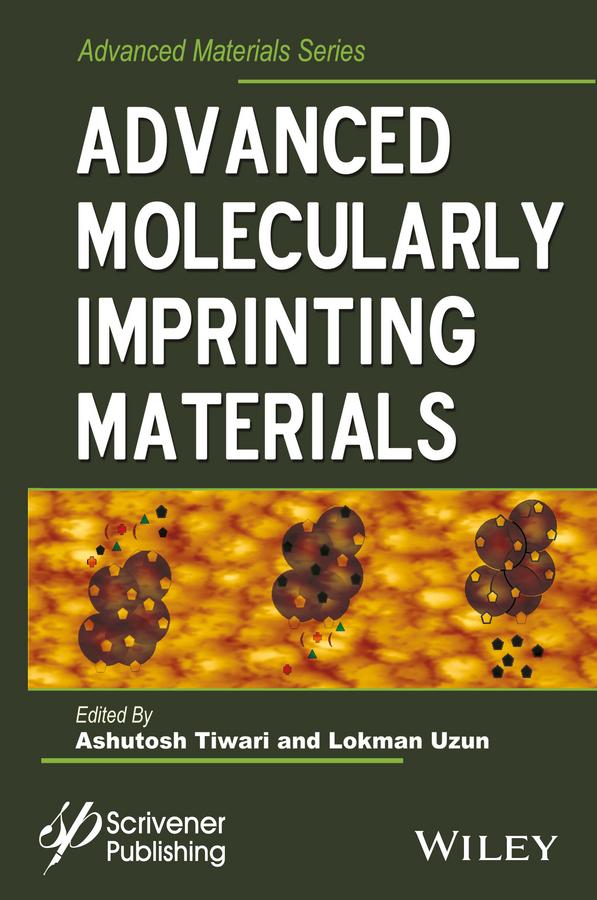
Molecularly imprinted polymers (MIPs) are an important functional material because of their potential implications in diverse research fields. The materials have been developed for a range of uses including separation, environmental, biomedical and sensor applications. In this book, the chapters are clustered into two main sections: Strategies to be employed when using the affinity materials, and rational design of MIPs for advanced applications. In the first part, the book covers the recent advances in producing MIPs for sample design, preparation and characterizations. In the second part, the chapters demonstrate the importance and novelty of creation of recognition imprinted on the materials and surfaces for a range of microbial detection sensors in the biomedical, environmental and food safety fields as well as sensing human odor and virus monitoring systems.
Part 1: Strategies of affinity materials
- Molecularly imprinted polymers
- MIP nanomaterials
- Micro- and nanotraps for solid phase extraction
- Carbonaceous affinity nanomaterials
- Fluorescent MIPs
- MIP-based fiber optic sensors
Part 2: Rational design of MIP for advanced applications
- MIP-based biomedical and environmental sensors
- Affinity adsorbents for environmental biotechnology
- MIP in food safety
- MIP-based virus monitoring
- MIP-based drug delivery and controlled release
- Biorecognition imprints on the biosensor surfaces
- MIP-based sensing of volatile organic compounds in human body odour
- MIP-based microcantilever sensor system
Pay easily by card, Klarna, Apple Pay or Google Pay. Not happy? You always have a 14-day money-back guarantee. Read more in our terms. If you have any questions, email us at hello@memmo.org.
Memmo makes studying easier – wherever you are in the world. We bring your course books and smart study tools together in one place: summaries, quizzes, podcasts and flashcards. Plus Ted, your study buddy who answers anything you wonder. Over 75,000 students already study here – built to help you learn faster and stress less.