
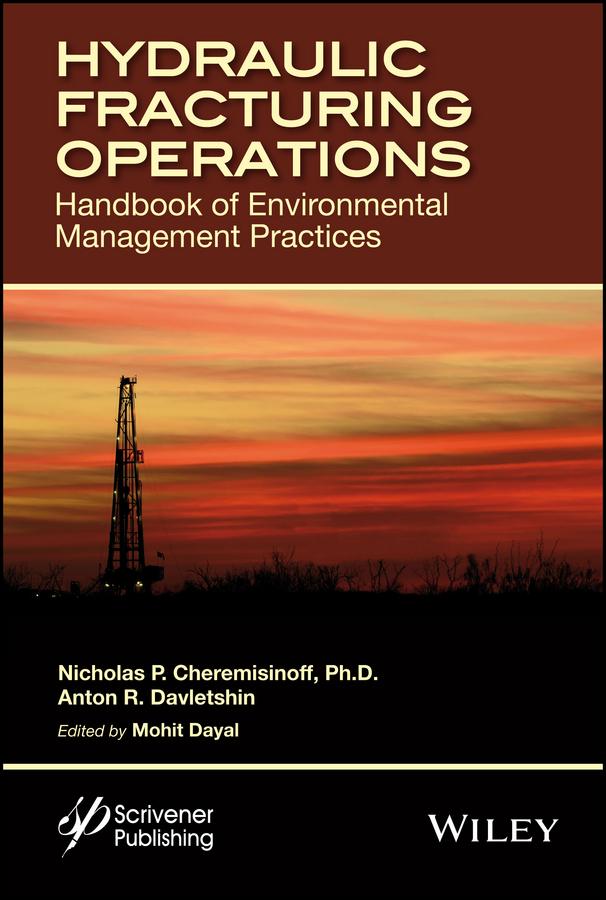
Hydraulic fracturing, commonly referred to as “fracking,” is a technique used by the oil and gas industry to mine hydrocarbons trapped deep beneath the Earth’s surface. The principles underlying the technology are not new. Fracking was first applied at the commercial level in the United States as early as 1947, and over the decades it has been applied in various countries including Canada, the UK, and Russia. The author worked with engineering teams as early as the mid-1970s in evaluating ways to improve oil recovery from this practice.
By and large fracking was not an economically competitive process and had limited applications until the early 2000s. Several factors altered the importance of this technology, among them being significant technological innovations in drilling practices with impressive high tech tools for exploration, well construction and integrity, and recovery along with discoveries of massive natural gas reserves in the United States and other parts of the world. These factors have catapulted the application of the technology to what is best described as the gold rush of the 21st century, with exploration and natural gas plays proceeding at a pace that seemingly is unrivaled by any historical industrial endeavor. But this level of activity has invoked widespread criticism from concerned citizens and environmental groups in almost every nation across the Globe.
This outstanding new volume offers the industry a handbook of environmental management practices that can mitigate risks to the environment and, through best practices and current technologies, to conform to the current standards and regulations that are in place to provide the world with the energy it needs while avoiding environmental damage. For the new hire, veteran engineer, and student alike, this is a one-of-a-kind volume, a must-have for anyone working in hydraulic fracturing.
Pay easily by card, Klarna, Apple Pay or Google Pay. Not happy? You always have a 14-day money-back guarantee. Read more in our terms. If you have any questions, email us at hello@memmo.org.
Memmo makes studying easier – wherever you are in the world. We bring your course books and smart study tools together in one place: summaries, quizzes, podcasts and flashcards. Plus Ted, your study buddy who answers anything you wonder. Over 50,000 students already study here – built to help you learn faster and stress less.