
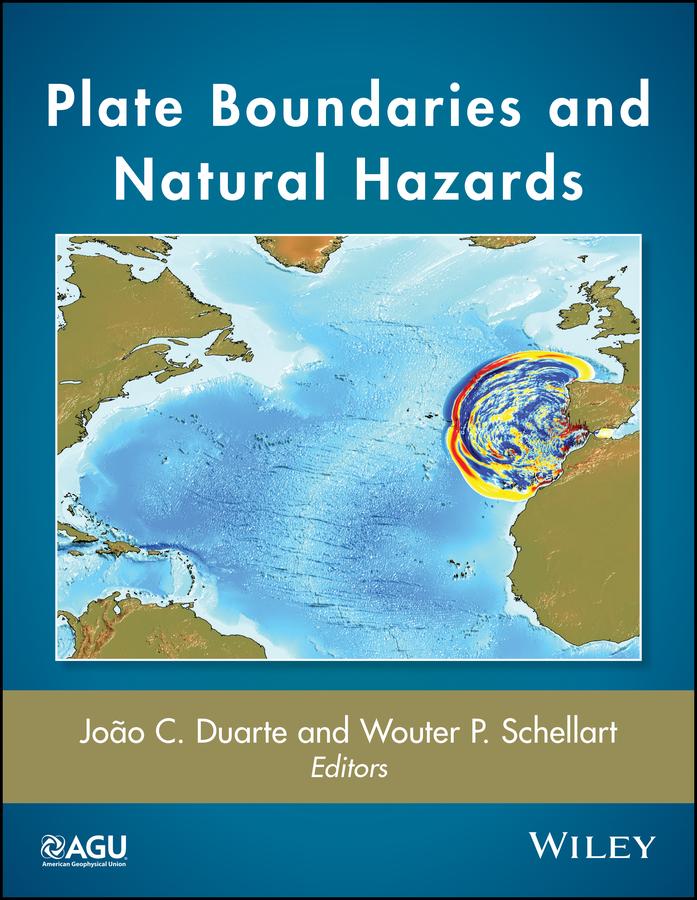
The beginning of the new millennium has been particularly devastating in terms of natural disasters associated with tectonic plate boundaries, such as earthquakes in Sumatra, Chile, Japan, Tahiti, and Nepal; the Indian Ocean and the Pacific Ocean tsunamis; and volcanoes in Indonesia, Chile, Iceland that have produced large quantities of ash causing major disruption to aviation. In total, half a million people were killed by such natural disasters. These recurring events have increased our awareness of the destructive power of natural hazards and the major risks associated with them. While we have come a long way in the search for understanding such natural phenomena, and although our knowledge of Earth dynamics and plate tectonics has improved enormously, there are still fundamental uncertainties in our understanding of natural hazards. Increased understanding is crucial to improve our capacity for hazard prediction and mitigation.
Volume highlights include:
- Main concepts associated with tectonic plate boundaries
- Novel studies on boundary-related natural hazards
- Fundamental concepts that improve hazard prediction and mitigation
Plate Boundaries and Natural Hazards will be a valuable resource for scientists and students in the fields of geophysics, geochemistry, plate tectonics, natural hazards, and climate science.
Read an interview with the editors to find out more:https://eos.org/editors-vox/plate-boundaries-and-natural-hazards
Pay easily by card, Klarna, Apple Pay or Google Pay. Not happy? You always have a 14-day money-back guarantee. Read more in our terms. If you have any questions, email us at hello@memmo.org.
Memmo makes studying easier – wherever you are in the world. We bring your course books and smart study tools together in one place: summaries, quizzes, podcasts and flashcards. Plus Ted, your study buddy who answers anything you wonder. Over 50,000 students already study here – built to help you learn faster and stress less.