
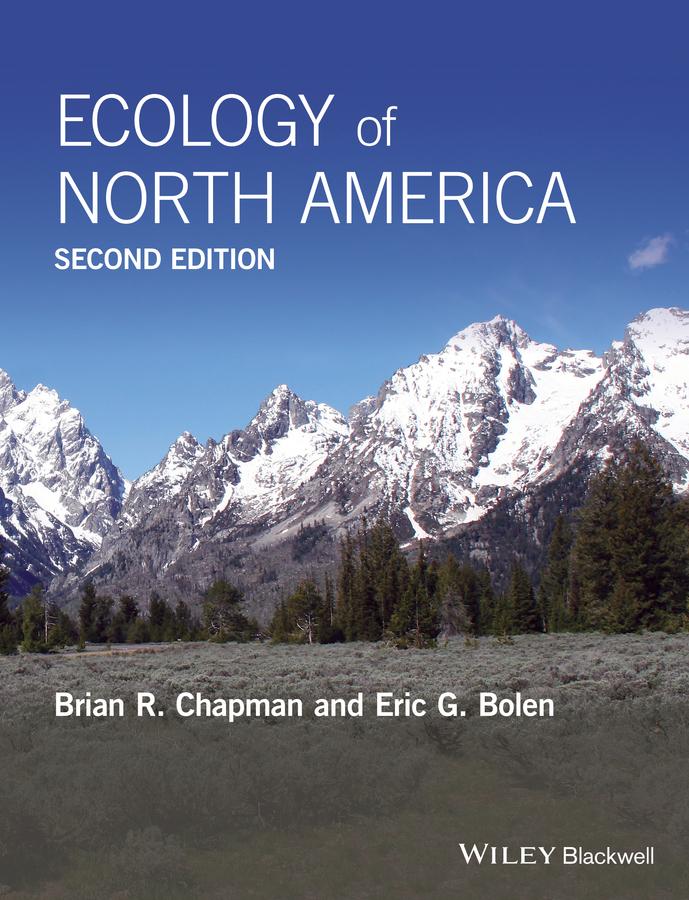
North America contains an incredibly diverse array of natural environments, each supporting unique systems of plant and animal life. These systems, the largest of which are biomes, form intricate webs of life that have taken millennia to evolve. This richly illustrated book introduces readers to this extraordinary array of natural communities and their subtle biological and geological interactions.
Completely revised and updated throughout, the second edition of this successful text takes a qualitative, intuitive approach to the subject, beginning with an overview of essential ecological terms and concepts, such as competitive exclusion, taxa, niches, and succession. It then goes on to describe the major biomes and communities that characterize the rich biota of the continent, starting with the Tundra and continuing with Boreal Forest, Deciduous Forest, Grasslands, Deserts, Montane Forests, and Temperature Rain Forest, among others. Coastal environments, including the Laguna Madre, seagrasses, Chesapeake Bay, and barrier islands appear in a new chapter. Additionally, the book covers many unique features such as pitcher plant bogs, muskeg, the polar ice cap, the cloud forests of Mexico, and the LaBrea tar pits. “Infoboxes” have been added; these include biographies of historical figures who provided significant contributions to the development of ecology, unique circumstances such as frogs and insects that survive freezing, and conservation issues such as those concerning puffins and island foxes. Throughout the text, ecological concepts are worked into the text; these include biogeography, competitive exclusion, succession, soil formation, and the mechanics of natural selection.
Ecology of North America 2e is an ideal first text for students interested in natural resources, environmental science, and biology, and it is a useful and attractive addition to the library of anyone interested in understanding and protecting the natural environment.
Pay easily by card, Klarna, Apple Pay or Google Pay. Not happy? You always have a 14-day money-back guarantee. Read more in our terms. If you have any questions, email us at hello@memmo.org.
Memmo makes studying easier – wherever you are in the world. We bring your course books and smart study tools together in one place: summaries, quizzes, podcasts and flashcards. Plus Ted, your study buddy who answers anything you wonder. Over 50,000 students already study here – built to help you learn faster and stress less.