
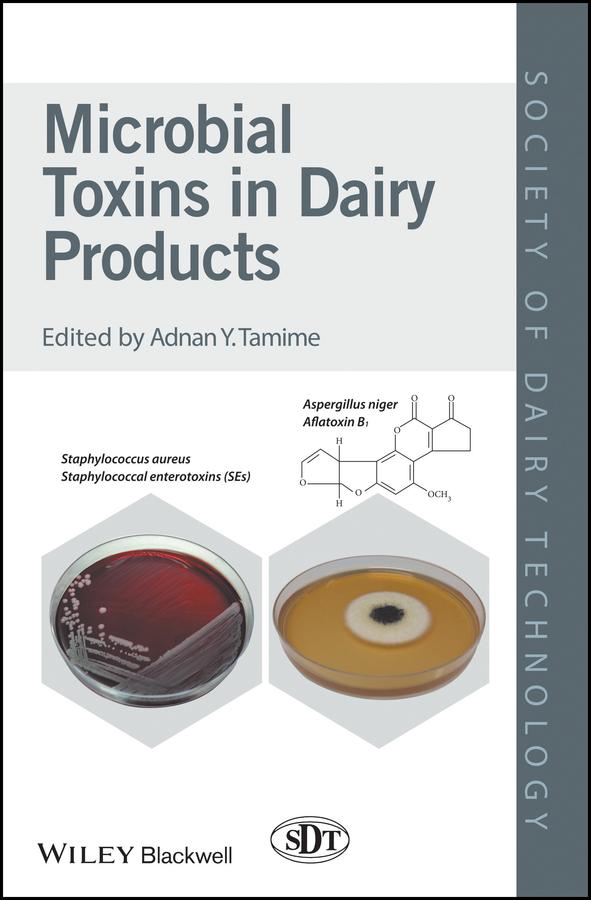
Food-borne diseases, including those via dairy products, have been recognised as major threats to human health. The causes associated with dairy food-borne disease are the use of raw milk in the manufacture of dairy products, faulty processing conditions during the heat treatment of milk, post-processing contamination, failure in due diligence and an unhygienic water supply. Dairy food-borne diseases affecting human health are associated with certain strains of bacteria belonging to the genera of Clostridium, Bacillus, Escherichia, Staphylococcus and Listeria, which are capable of producing toxins, plus moulds that can produce mycotoxins such as aflatoxins, sterigmatocytin and ochratoxin.
Microbial Toxins in Dairy Products reviews the latest scientific knowledge and developments for detecting and studying the presence of these toxins in dairy products, updating the analytical techniques required to examine bacterial and mould toxins and the potential for contamination of milk as it passes along the food chain, i.e. from 'farm-to-fork'.
This comprehensive and accessible collection of techniques will help dairy processors, food scientists, technologists, researchers and students to further minimise the incidences of dairy food-borne illnesses in humans.
Pay easily by card, Klarna, Apple Pay or Google Pay. Not happy? You always have a 14-day money-back guarantee. Read more in our terms. If you have any questions, email us at hello@memmo.org.
Memmo makes studying easier – wherever you are in the world. We bring your course books and smart study tools together in one place: summaries, quizzes, podcasts and flashcards. Plus Ted, your study buddy who answers anything you wonder. Over 50,000 students already study here – built to help you learn faster and stress less.