
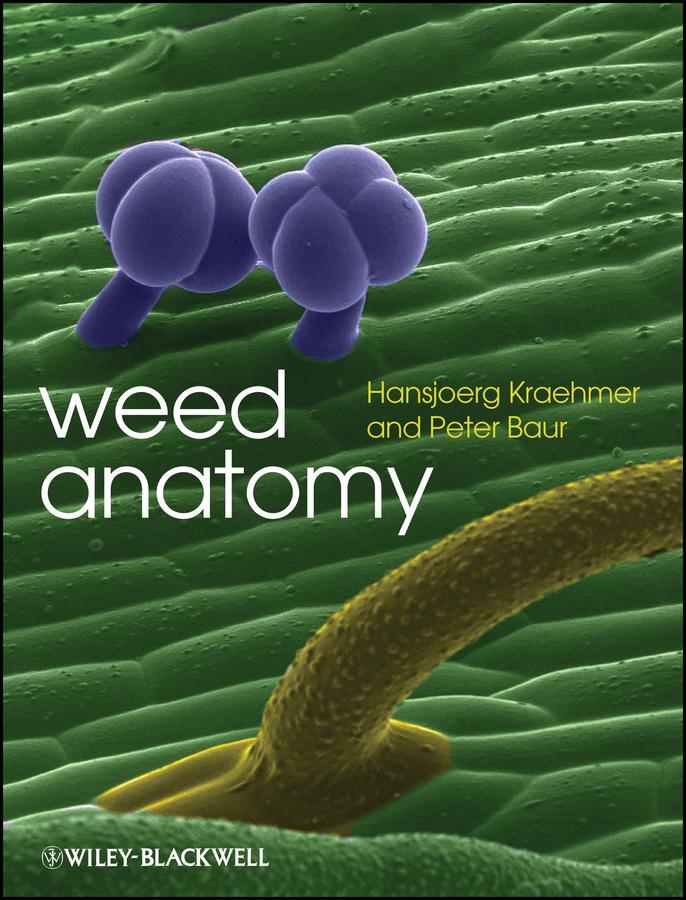
Weeds affect everyone in the world by reducing crop yield and crop quality, delaying or interfering with harvesting, interfering with animal feeding (including poisoning), reducing animal health, preventing water flow, as plant parasites, etc. Weeds are common everywhere and cause many $ billions worth of crop losses annually, with the global cost of controlling weeds running into $ billions.
The anatomy of plants is generally well understood, but the examples used for explanations in most books are often restricted to non-weed species. Weeds have many features that make them more competitive, for example enabling them to more quickly recover after herbicide treatment. Some of these adaptations include rhizomes, adapted roots, tubers and other special structures. Until now,
no single book has concentrated on weeds’ anatomical features. A comprehensive understanding of these features is, however, often imperative to the successful implementation of many weed control measures.
Beautifully and comprehensively illustrated, in full colour throughout, Weed Anatomy provides a comprehensive insight into the anatomy of the globally-important weeds of commercial significance. Commencing with a general overview of anatomy, the major part of the book then includes sections covering monocotyledons, dicotyledons, brackens and horsetails, with special reference to their anatomy. Ecological and evolutionary aspects of weeds are also covered and a number of less common weeds such as Adonis vernalis, Caucalis platycarpos and Scandix pecten-veneris are also included.
The authors of this book, who have between them many years of experience studying weeds, have put together a true landmark publication, providing a huge wealth of commercially-important information. Weed scientists, plant anatomists and agricultural scientists, including personnel within the agrochemical and crop protection industry, will find a great deal of useful information within
the book’s covers. All libraries in universities and research establishments where agricultural and biological sciences are studied and taught should have copies of this exceptional book on their shelves.
Pay easily by card, Klarna, Apple Pay or Google Pay. Not happy? You always have a 14-day money-back guarantee. Read more in our terms. If you have any questions, email us at hello@memmo.org.
Memmo makes studying easier – wherever you are in the world. We bring your course books and smart study tools together in one place: summaries, quizzes, podcasts and flashcards. Plus Ted, your study buddy who answers anything you wonder. Over 50,000 students already study here – built to help you learn faster and stress less.