
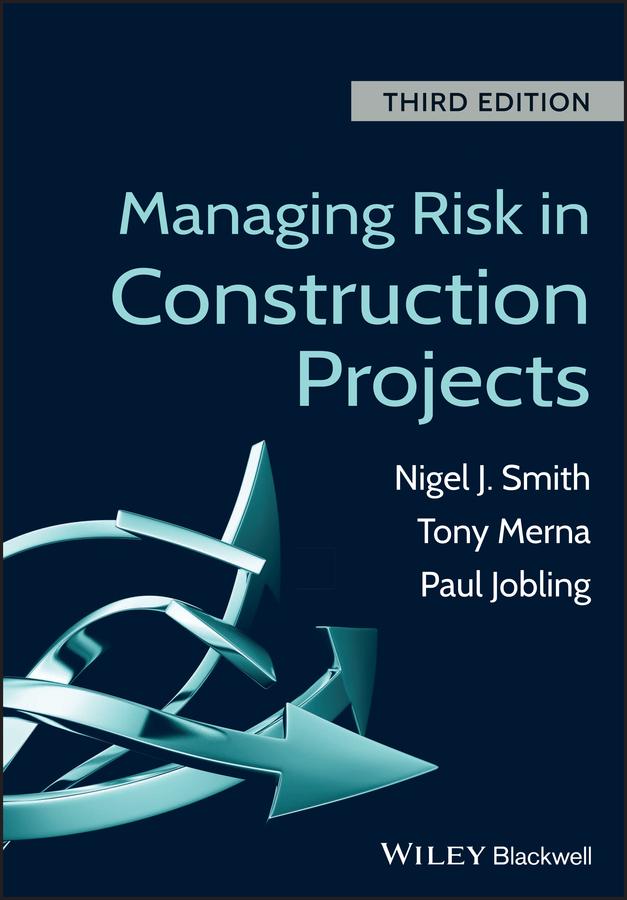
Investment in any new project invariably carries risk but the construction industry is subject to more risk and uncertainty than perhaps any other industry.
This guide for construction managers, project managers and quantity surveyors as well as for students shows how the risk management process improves decision-making. Managing Risk in Construction Projects offers practical guidance on identifying, assessing and managing risk and provides a sound basis for effective decision-making in conditions of uncertainty.
The book focuses on theoretical aspects of risk management but also clarifies procedures for undertaking and utilising decisions. This blend of theory and practice is the real message of the book and, with a strong authorship team of practitioners and leading academics, the book provides an authoritative guide for practitioners having to manage real projects.
It discusses a number of general concepts, including projects, project phases, and risk attitude before introducing various risk management techniques. This third edition has been extended to recognize the reality of multi-project or programme management and the risks in this context; to highlight the particular problems of risk in international joint ventures; and to provide more coverage of PFI and PPP.
With case studies and examples of good practice, the book offers the distilled knowledge of over 100 man-years of experience in working on all aspects of project risk, giving sound practical guidance on identifying, assessing and managing risk.
Pay easily by card, Klarna, Apple Pay or Google Pay. Not happy? You always have a 14-day money-back guarantee. Read more in our terms. If you have any questions, email us at hello@memmo.org.
Memmo makes studying easier – wherever you are in the world. We bring your course books and smart study tools together in one place: summaries, quizzes, podcasts and flashcards. Plus Ted, your study buddy who answers anything you wonder. Over 50,000 students already study here – built to help you learn faster and stress less.