
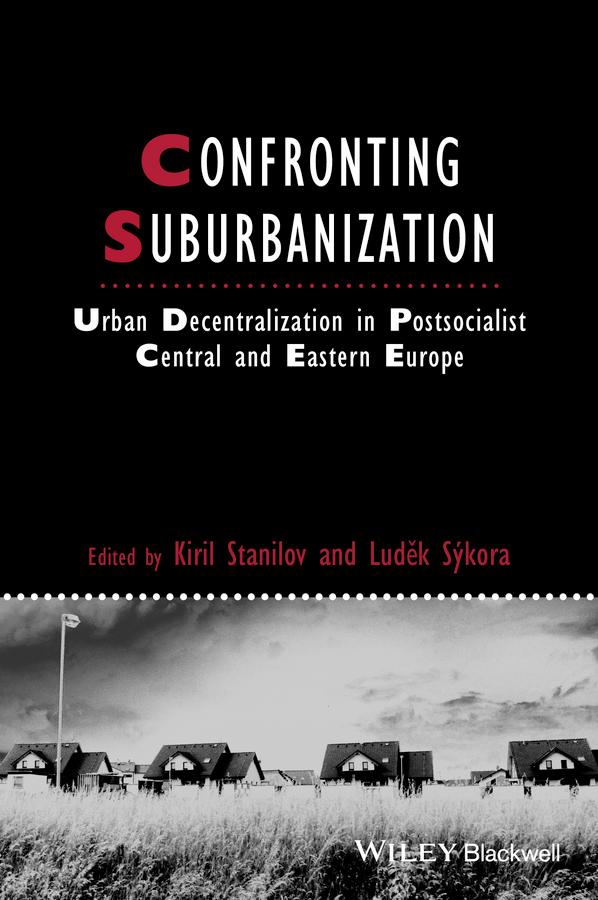
This fascinating book explains the processes of suburbanization in the context of post-socialist societies transitioning from one system of socio-spatial order to another. Case studies of seven Central and Eastern Europe city regions illuminate growth patterns and key conditions for the emergence of sprawl.
- Breaks new ground, offering a systematic approach to the analysis of the global phenomenon of suburbanization in a post-socialist context
- Tracks the boom of the post-socialist suburbs in seven CEE capital city regions – Budapest, Ljubljana, Moscow, Prague, Sofia, Tallinn, and Warsaw
- Situates the experience of the CEE countries in the broader context of global urban change
- Case studies examine the phenomenon of suburbanization along four main vectors of analysis related to development patterns, driving forces, consequences and impacts, and management of suburbanization
- Highlights the critical importance of public policies and planning on the spread of suburbanization
Pay easily by card, Klarna, Apple Pay or Google Pay. Not happy? You always have a 14-day money-back guarantee. Read more in our terms. If you have any questions, email us at hello@memmo.org.
Memmo makes studying easier – wherever you are in the world. We bring your course books and smart study tools together in one place: summaries, quizzes, podcasts and flashcards. Plus Ted, your study buddy who answers anything you wonder. Over 75,000 students already study here – built to help you learn faster and stress less.