
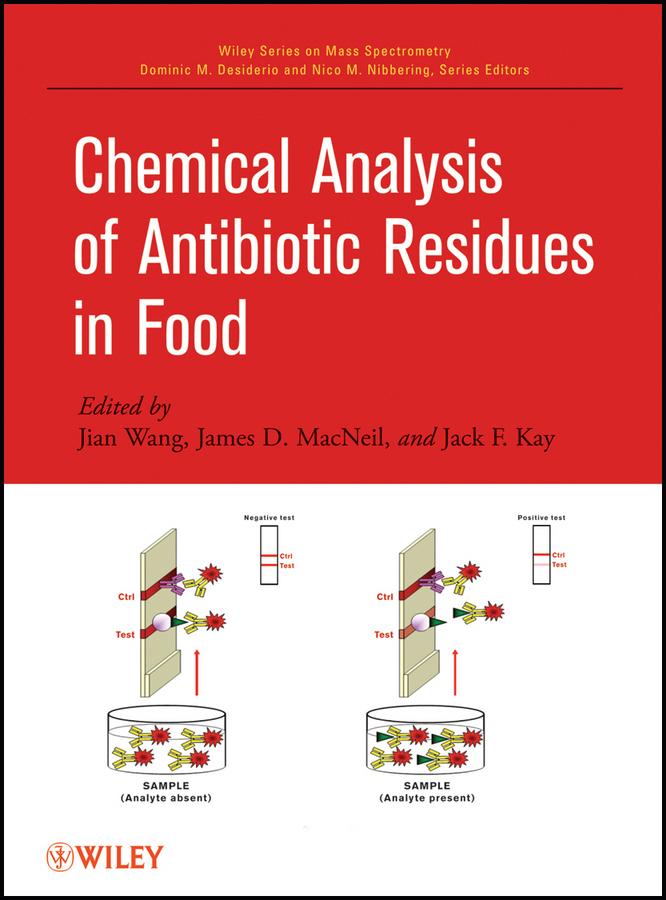
The presence of excess residues from frequent antibiotic use in animals is not only illegal, but can pose serious health risks by contaminating products for human consumption such as meat and milk. Chemical Analysis of Antibiotic Residues in Food is a single-source reference for readers interested in the development of analytical methods for analyzing antibiotic residues in food. It covers themes that include quality assurance and quality control, antibiotic chemical properties, pharmacokinetics, metabolism, distribution, food safety regulations, and chemical analysis. In addition, the material presented includes background information valuable for understanding the choice of marker residue and target animal tissue to use for regulatory analysis. This comprehensive reference:
-
Includes topics on general issues related to screening and confirmatory methods
-
Presents updated information on food safety regulation based on routine screening and confirmatory methods, especially LC-MS
-
Provides general guidance for method development, validation, and estimation of measurement uncertainty
Chemical Analysis of Antibiotic Residues in Food is written and organized with a balance between practical use and theory to provide laboratories with a solid and reliable reference on antibiotic residue analysis. Thorough coverage elicits the latest scientific findings to assist the ongoing efforts toward refining analytical methods for producing safe foods of animal origin.
Pay easily by card, Klarna, Apple Pay or Google Pay. Not happy? You always have a 14-day money-back guarantee. Read more in our terms. If you have any questions, email us at hello@memmo.org.
Memmo makes studying easier – wherever you are in the world. We bring your course books and smart study tools together in one place: summaries, quizzes, podcasts and flashcards. Plus Ted, your study buddy who answers anything you wonder. Over 75,000 students already study here – built to help you learn faster and stress less.