
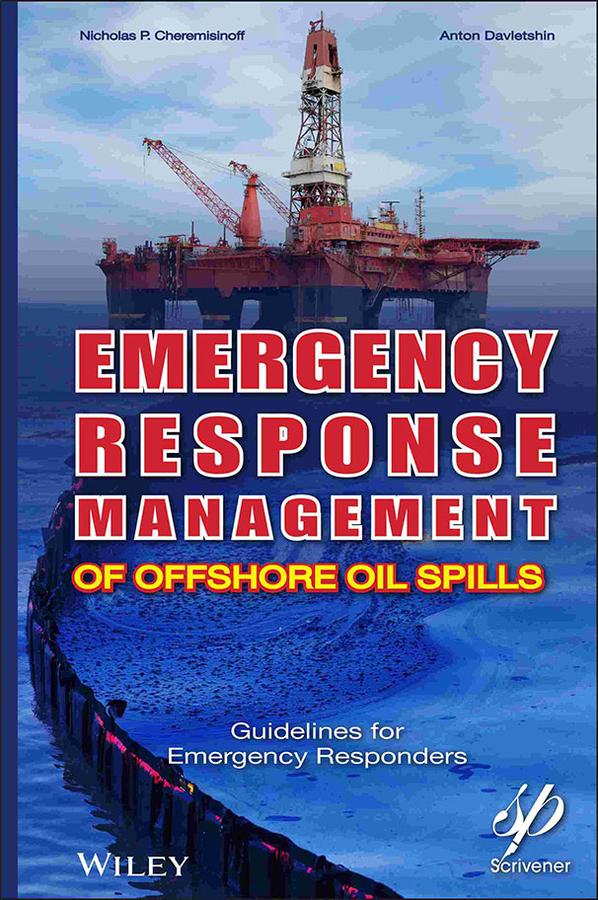
Examines the Deepwater Horizon disaster and offers processes for safety and environmental protection
Though renewable energy is a growing piece of the energy “pie,” fossil fuels still dominate our energy supplies and will continue to do so for decades. This makes offshore drilling, especially in places like the Gulf of Mexico and North Sea, extremely important for the future of the world’s energy supply. Unfortunately, the world has been witnessing, over and over again, accidents, deadly explosions, spills, and environmental disasters that could have been avoided with proper safety and environmental processes put in place. The Deepwater Horizon catastrophe is the largest offshore oil spill in U.S. history and an ecological nightmare of epic proportions. Emergency Response Management of Offshore Oil Spills aids in the response of this and future disasters by providing this handy reference volume for engineers, managers, and other emergency responders.
This timely publication outlines the toxic nature of crude oil, covering properties of crude oil, chemical composition, toxicity to humans and marine life, and investigates the impact of oil spills from historical case studies. The current arsenals available to address oil spills, such as dispersants, absorbing booms, skimming, and other methods, are also discussed. Technologies that are rapidly being developed to address the Gulf Oil Spill are considered, along with extensive information on chemical protective clothing, air monitoring, respiratory protection, management of waste, and much more. The book concludes with a chapter discussing responsible care and takes a critical look at the reasons why the Deepwater Horizon rig catastrophe happened and examines the follow-up that ensued after the incident.
Emergency Response Management of Offshore Oil Spills provides:
- Examples of 26 major oil spills ranked from largest to smallest, describing each incident and the amount of oil spilled
Recommendations and guidance on proper air monitoring methods - Suggestions related to protective garments such as respirators
- Comparative product information on chemical dispersants, shoreline bleaching and cleaning chemicals
- Detailed toxicity data for humans and marine life
- Discussions in the areas of deficiencies in responding to spills and why the oil industry needs to be more responsive to developing technologies
- Hazardous materials protocols, including OSHA- and EPA- recommended safe work practices for dealing with hazardous materials
Pay easily by card, Klarna, Apple Pay or Google Pay. Not happy? You always have a 14-day money-back guarantee. Read more in our terms. If you have any questions, email us at hello@memmo.org.
Memmo makes studying easier – wherever you are in the world. We bring your course books and smart study tools together in one place: summaries, quizzes, podcasts and flashcards. Plus Ted, your study buddy who answers anything you wonder. Over 50,000 students already study here – built to help you learn faster and stress less.