
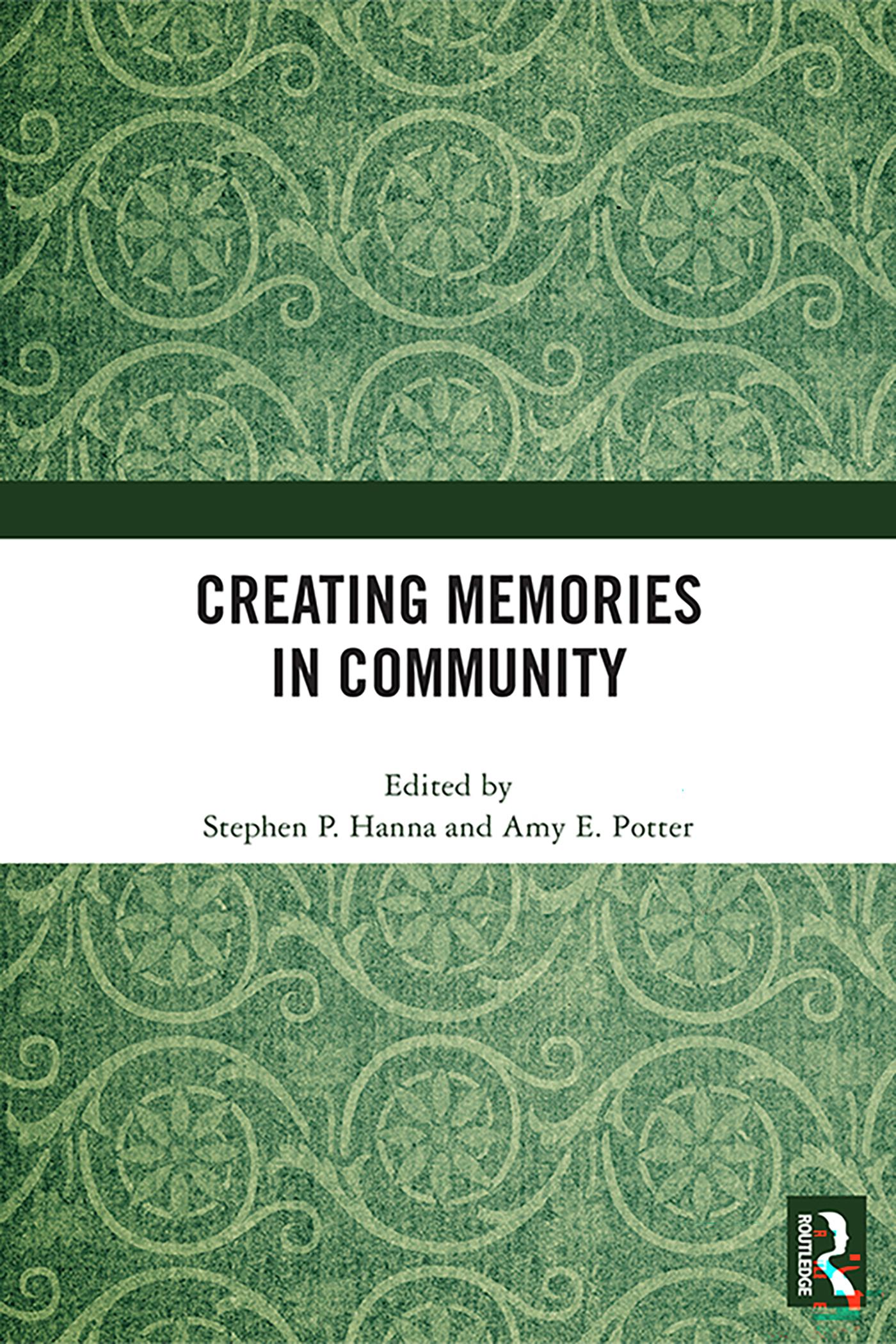
This book brings together a collection of projects that explore how communities use place-based memory to tell their stories, especially those that have been overlooked or marginalized. Grounded in close collaboration with community partners, the contributions examine efforts such as Black history trails in Georgia and Virginia and survivor-led commemorations in Ireland. These projects highlight how memory is not only about the past but also about shaping how places are understood in the present. Across diverse contexts, the authors show how community-driven approaches can challenge dominant narratives and make space for more inclusive and honest representations of history.
By connecting memory to specific landscapes, these works demonstrate how storytelling, mapping, and commemoration can foster dialogue, recognition, and, in some cases, healing. Featuring contributions from leading geographers, this collection offers new ways of understanding how geography functions as a relational, ethical practice. It addresses critical issues including urban renewal displacement, Black geographies, and institutional trauma, demonstrating the vital intersection of community geography with memory work.
This volume is essential reading for scholars, practitioners, and students in geography, public history, heritage studies, and community development committed to participatory, justice-oriented approaches to commemorating the past. It was originally published as a special issue of Geographical Review.
Pay easily by card, Klarna, Apple Pay or Google Pay. Not happy? You always have a 14-day money-back guarantee. Read more in our terms. If you have any questions, email us at hello@memmo.org.
Memmo makes studying easier – wherever you are in the world. We bring your course books and smart study tools together in one place: summaries, quizzes, podcasts and flashcards. Plus Ted, your study buddy who answers anything you wonder. Over 50,000 students already study here – built to help you learn faster and stress less.