
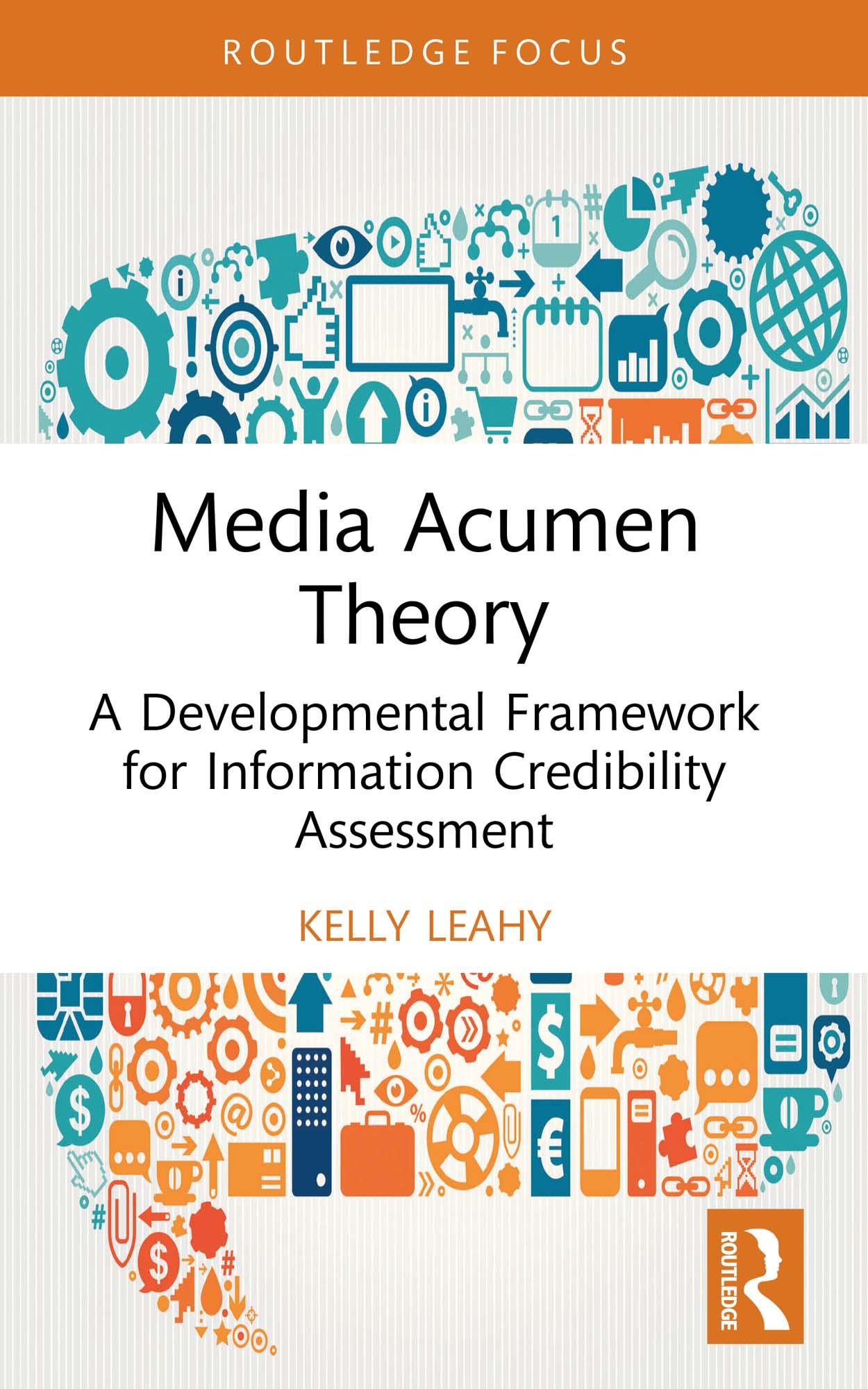
This book proposes a theory of Media Acumen, a developmental framework that bridges theories about how adults navigate information credibility in contemporary media environments.
Integrating established research traditions with cognitive science research on implicit associations, pattern recognition, and misconception persistence, this book explores alternatives to existing media literacy approaches. The author proposes testable predictions for empirical research, provides operationalizable constructs for behavioral assessment, and suggests design principles for informal learning interventions that work with how human cognition actually functions. Examining contemporary crises, this book demonstrates how vulnerable adults become when pattern recognition systems calibrated for 20th-century media encounter today's sophisticated manipulation tactics and misinformation.
By bringing together theory with practical intervention strategies, this book offers researchers, educators, policymakers, and media professionals a roadmap for building information literacy at population scale in the age of AI and synthetic media. It will interest academic researchers and graduate students in fields grappling with information credibility challenges, most notably media literacy, education, communication studies, and developmental and cognitive psychology.
Pay easily by card, Klarna, Apple Pay or Google Pay. Not happy? You always have a 14-day money-back guarantee. Read more in our terms. If you have any questions, email us at hello@memmo.org.
Memmo makes studying easier – wherever you are in the world. We bring your course books and smart study tools together in one place: summaries, quizzes, podcasts and flashcards. Plus Ted, your study buddy who answers anything you wonder. Over 50,000 students already study here – built to help you learn faster and stress less.