
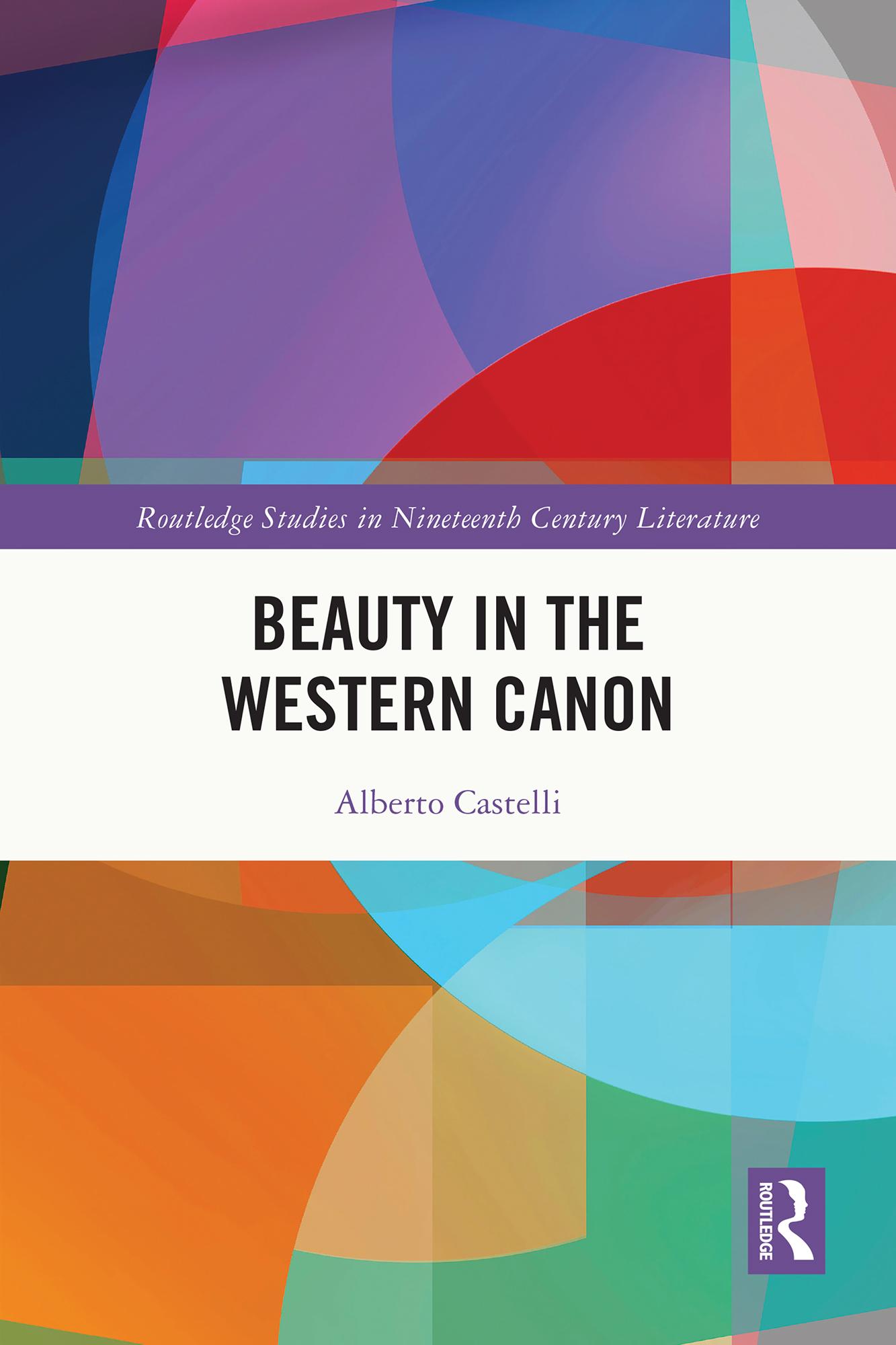
Dadaist works, such as Duchamp’s ready-mades, famously challenge the connection between art and the aesthetic by presenting objects of little or no aesthetic interest, such as urinals, snow shovels, and bicycles, as art. From impressionist paintings to unmade beds exhibited in galleries, this raises enduring questions: Are these objects art simply because an artist declares them so, or because they are placed in a gallery? Or is there something more fundamental that defines art? Why do some objects, installations, buildings, or essays qualify as art, while others do not? Tracing the evolution of the concept of art from the ancient Greek notion of tekhne, meaning craft, technique, or skill, this monograph explores the theoretical and technical dimensions that underpin artistic creation. It interrogates whether art must serve a function, whether it exists for its own sake, or whether it reflects life or even compels life to imitate art. At its core, this book examines the notion of beauty in Western thought, from its divine origins to its contemporary crisis. In an age of digital and virtual realities, has beauty lost its relevance? Do today’s artists still engage with beauty, or has it been displaced by other concerns? Organized around these pressing questions, this work offers a critical exploration of beauty’s place in the condition of contemporaneity.
Pay easily by card, Klarna, Apple Pay or Google Pay. Not happy? You always have a 14-day money-back guarantee. Read more in our terms. If you have any questions, email us at hello@memmo.org.
Memmo makes studying easier – wherever you are in the world. We bring your course books and smart study tools together in one place: summaries, quizzes, podcasts and flashcards. Plus Ted, your study buddy who answers anything you wonder. Over 50,000 students already study here – built to help you learn faster and stress less.
You might also like
Buy the book0