
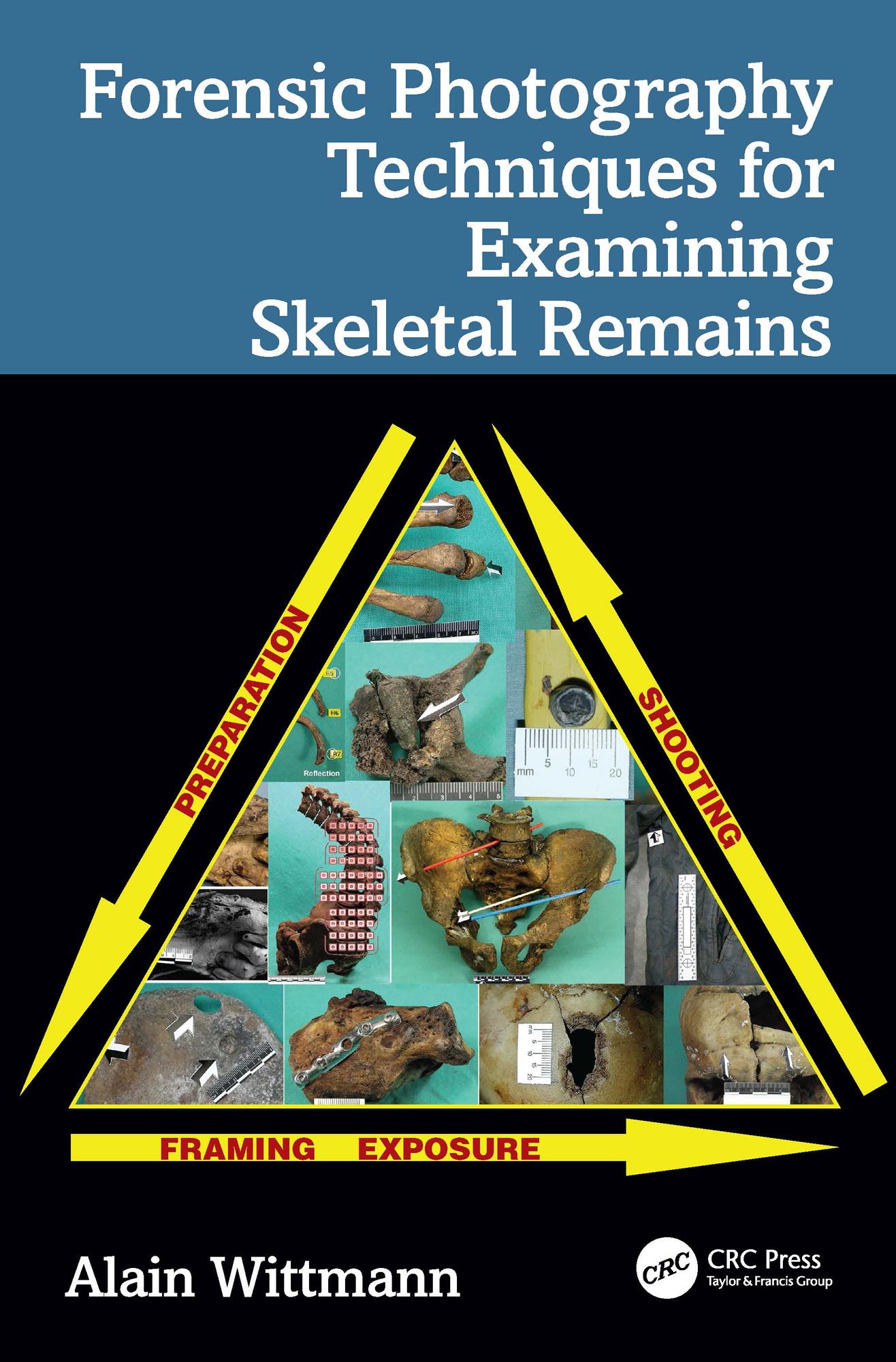
Based on over 30 years of the author’s expertise in the field of forensic photography, this book offers invaluable skills to successfully take good-quality photographs.
This book addresses the reality that forensic photographers often work with varying levels of equipment quality—from professional cameras to basic personal devices—yet must produce consistently high-quality, legally admissible evidence. Across eighteen chapters, Alain Wittmann demonstrates techniques to produce a composition that is both high quality and fulfils the purpose of drawing attention to the subject matter as the primary focal point. Whether you are working with minimal material or even a complex case, this manual emphasizes fundamental photography principles including proper exposure, framing, and preparation techniques that can produce clear, unambiguous images without requiring expensive equipment or post-processing software. The book also includes a quiz, useful resources, and a glossary of key phrases used within the field so that you can better engage with the material and test your knowledge.
Forensic Photography Techniques for Examining Skeletal Remains will be valuable to forensic photographers, medical professionals, and anyone working with human remains who needs to create accurate photographic documentation that can withstand legal scrutiny and effectively communicate findings to courts and investigators.
Pay easily by card, Klarna, Apple Pay or Google Pay. Not happy? You always have a 14-day money-back guarantee. Read more in our terms. If you have any questions, email us at hello@memmo.org.
Memmo makes studying easier – wherever you are in the world. We bring your course books and smart study tools together in one place: summaries, quizzes, podcasts and flashcards. Plus Ted, your study buddy who answers anything you wonder. Over 50,000 students already study here – built to help you learn faster and stress less.