
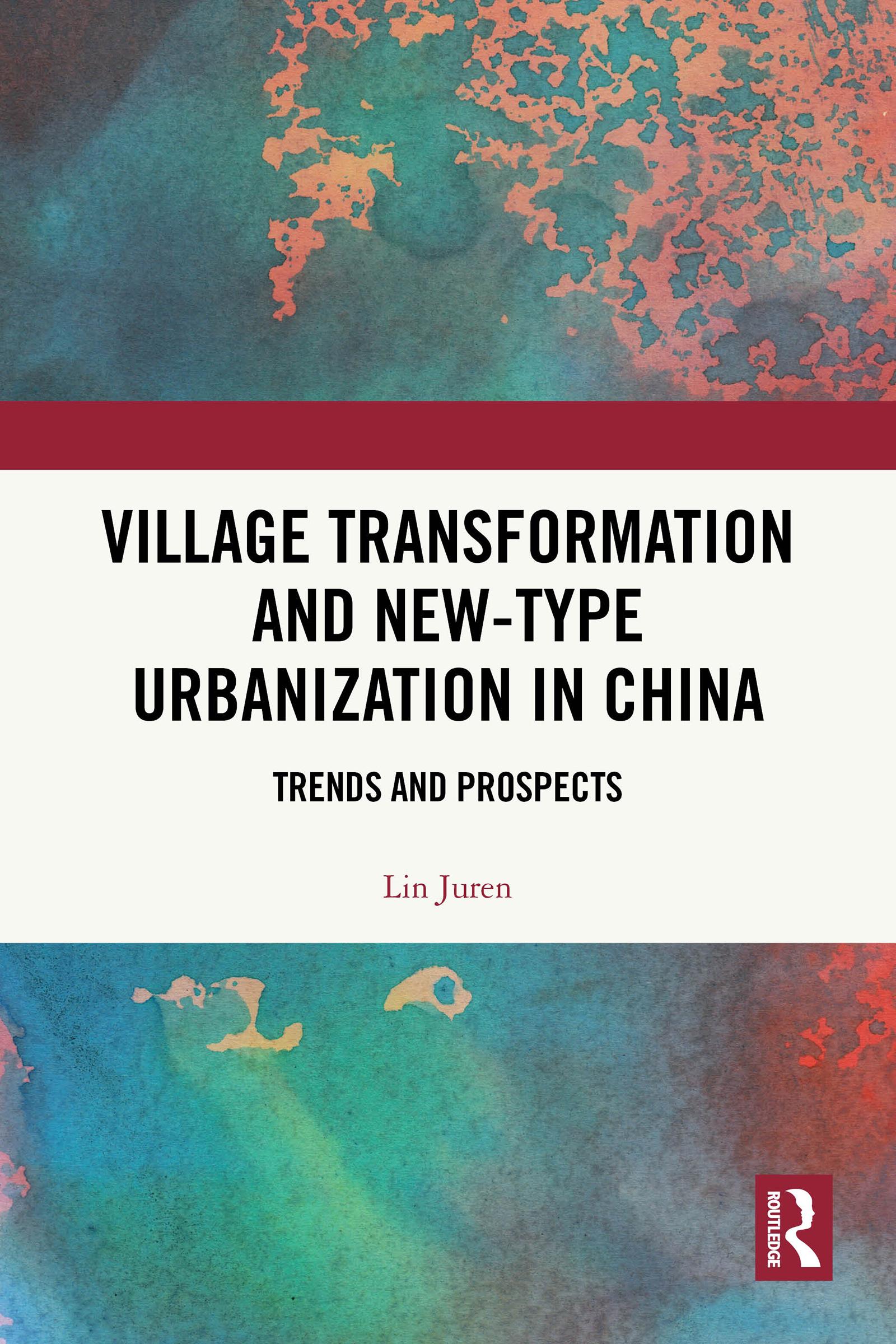
Despite decades of rural-to-urban transformation in China, much of the literature still treats villages and cities as distinct entities. This book reframes rural-urban transformation as an integrated process, examining administrative practices, implementation challenges, and the evolution of new-type urban communities.
Based on extensive, multisite fieldwork conducted over several decades in Shandong Province, the author makes a contribution to Chinese village studies by examining the contexts, drivers, and processes of village consolidation and the formation of new-type urban communities. The book illustrates how village mergers and new-type urbanization are shaped by—and in turn shape—project-based governance, grassroots organizations, and villagers' everyday lives. It also explores why "new urban residents" often face delays in acquiring urban citizenship. Finally, it outlines people-centered pathways toward a more integrated urban-rural relationship.
The book clarifies the institutional and everyday challenges of China’s rapid rural transformation, offering timely insights for scholars of Chinese studies and global researchers and practitioners facing accelerated social and spatial restructuring.
Pay easily by card, Klarna, Apple Pay or Google Pay. Not happy? You always have a 14-day money-back guarantee. Read more in our terms. If you have any questions, email us at hello@memmo.org.
Memmo makes studying easier – wherever you are in the world. We bring your course books and smart study tools together in one place: summaries, quizzes, podcasts and flashcards. Plus Ted, your study buddy who answers anything you wonder. Over 50,000 students already study here – built to help you learn faster and stress less.