
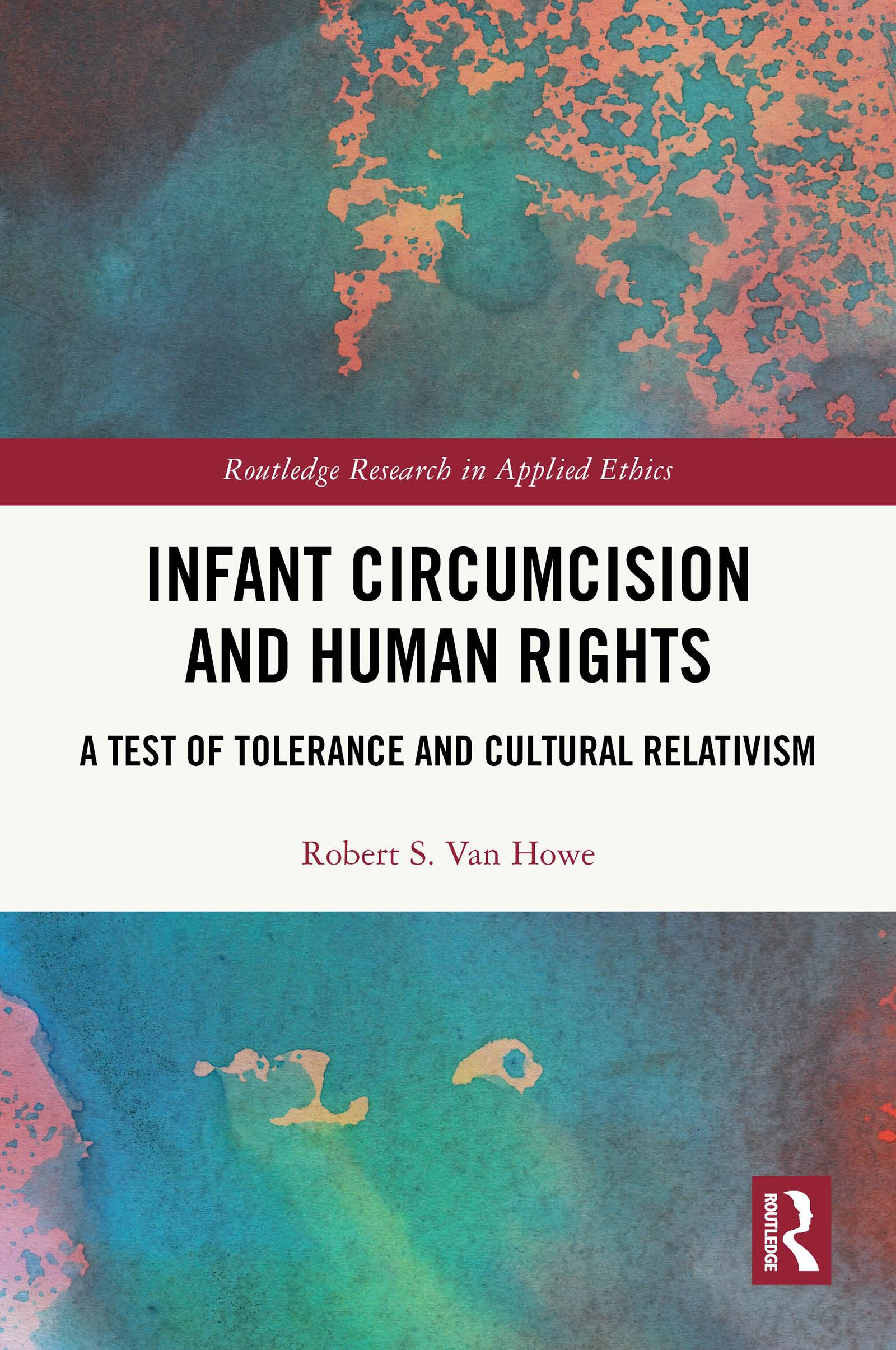
This book provides a comprehensive ethical examination of infant male circumcision through the lens of human rights theory. Drawing on over 30 years of clinical experience and extensive research, Robert S. Van Howe presents a systematic analysis of one of medicine's most controversial practices.
The book addresses fundamental questions about moral status, bodily integrity, and informed consent in medical decision-making. Van Howe employs diverse ethical frameworks—from Kantian categorical imperatives to utilitarian analysis—to examine whether infant circumcision constitutes a human rights violation. The analysis includes detailed comparisons with female circumcision practices and a thorough examination of the moral status of infants and whether they are the subject of human rights protections. With clear explanations of bioethical principles and logical fallacies, the book serves both scholarly audiences and educated general readers interested in medical ethics, human rights, and cultural practices. Van Howe offers practical solutions, including delayed consent options, while challenging readers to consider whether this common procedure can be ethically justified in modern liberal societies.
Infant Circumcision and Human Rights is a valuable resource for researchers, students, and medical practitioners working in bioethics, religious ethics, and pediatric medicine.
Pay easily by card, Klarna, Apple Pay or Google Pay. Not happy? You always have a 14-day money-back guarantee. Read more in our terms. If you have any questions, email us at hello@memmo.org.
Memmo makes studying easier – wherever you are in the world. We bring your course books and smart study tools together in one place: summaries, quizzes, podcasts and flashcards. Plus Ted, your study buddy who answers anything you wonder. Over 50,000 students already study here – built to help you learn faster and stress less.