
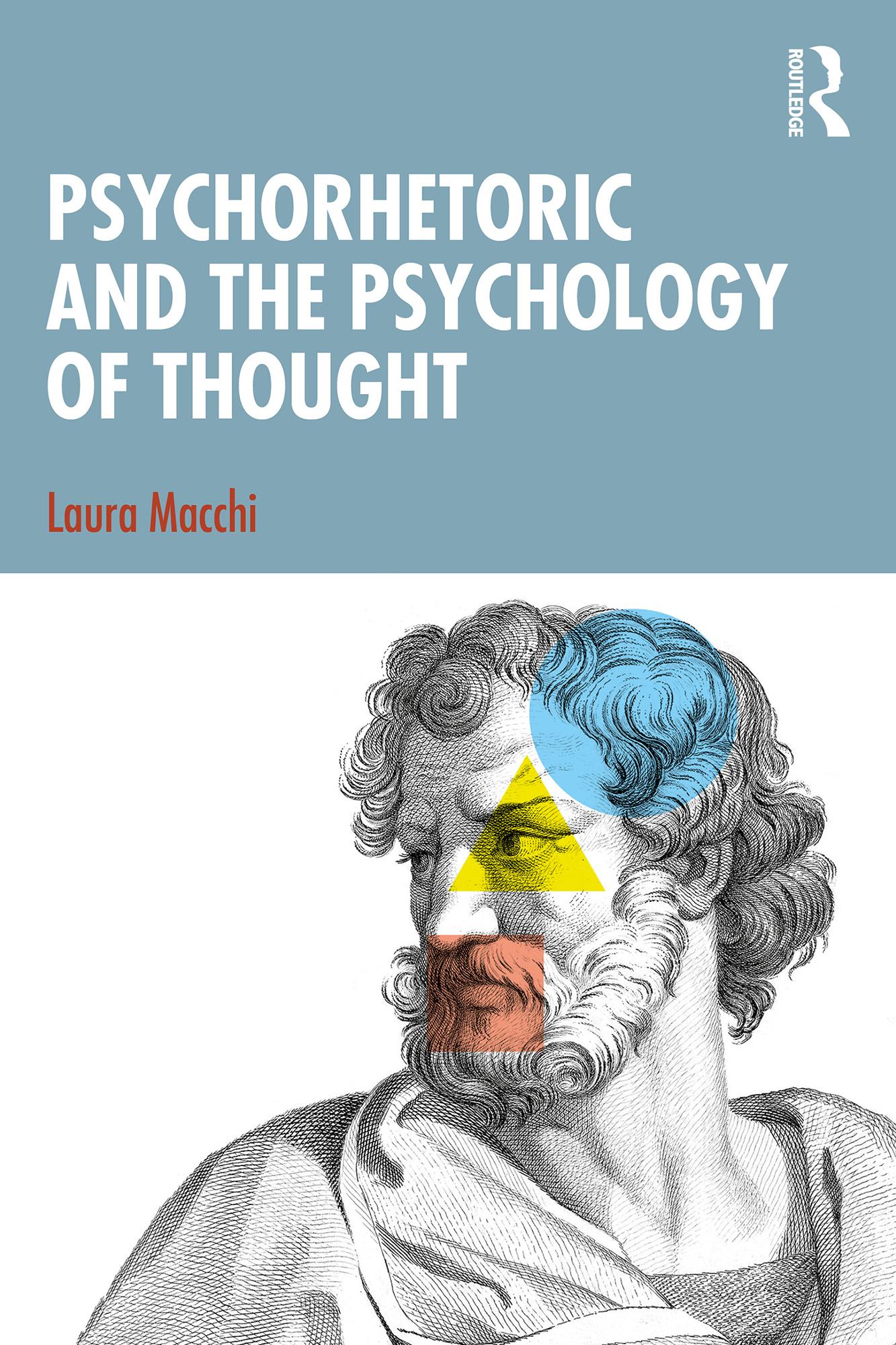
How can a particular way of argumenting direct our thinking? How does the formulation of a question influence the answer, producing a bias or an insight? And finally, what effect does public communication have on public behaviour?
Psychorhetoric and the Psychology of Thought illustrates the role played by rhetoric and communicative heuristics in the psychology of thinking and decision making, and its effect on many areas of our daily life. It gives voice to a new and unconventional approach to the contemporary debate within the psychology of thought that has wide implications for key behavioural phenomena, including biases, creativity, decision making, and public policy. This innovative work challenges conventional wisdom by proposing that cognitive biases are not inherent flaws in human cognition, but rather outcomes of misleading communication patterns that influence our thinking processes.
This unconventional approach to the psychology of thought has significant implications for creativity, decision making, economic behaviour, and public policy development. Essential reading for students and researchers in cognitive psychology, communication studies, and behavioural economics, this volume promises to reshape our understanding of human rationality and the communicative forces that guide it.
Pay easily by card, Klarna, Apple Pay or Google Pay. Not happy? You always have a 14-day money-back guarantee. Read more in our terms. If you have any questions, email us at hello@memmo.org.
Memmo makes studying easier – wherever you are in the world. We bring your course books and smart study tools together in one place: summaries, quizzes, podcasts and flashcards. Plus Ted, your study buddy who answers anything you wonder. Over 50,000 students already study here – built to help you learn faster and stress less.