
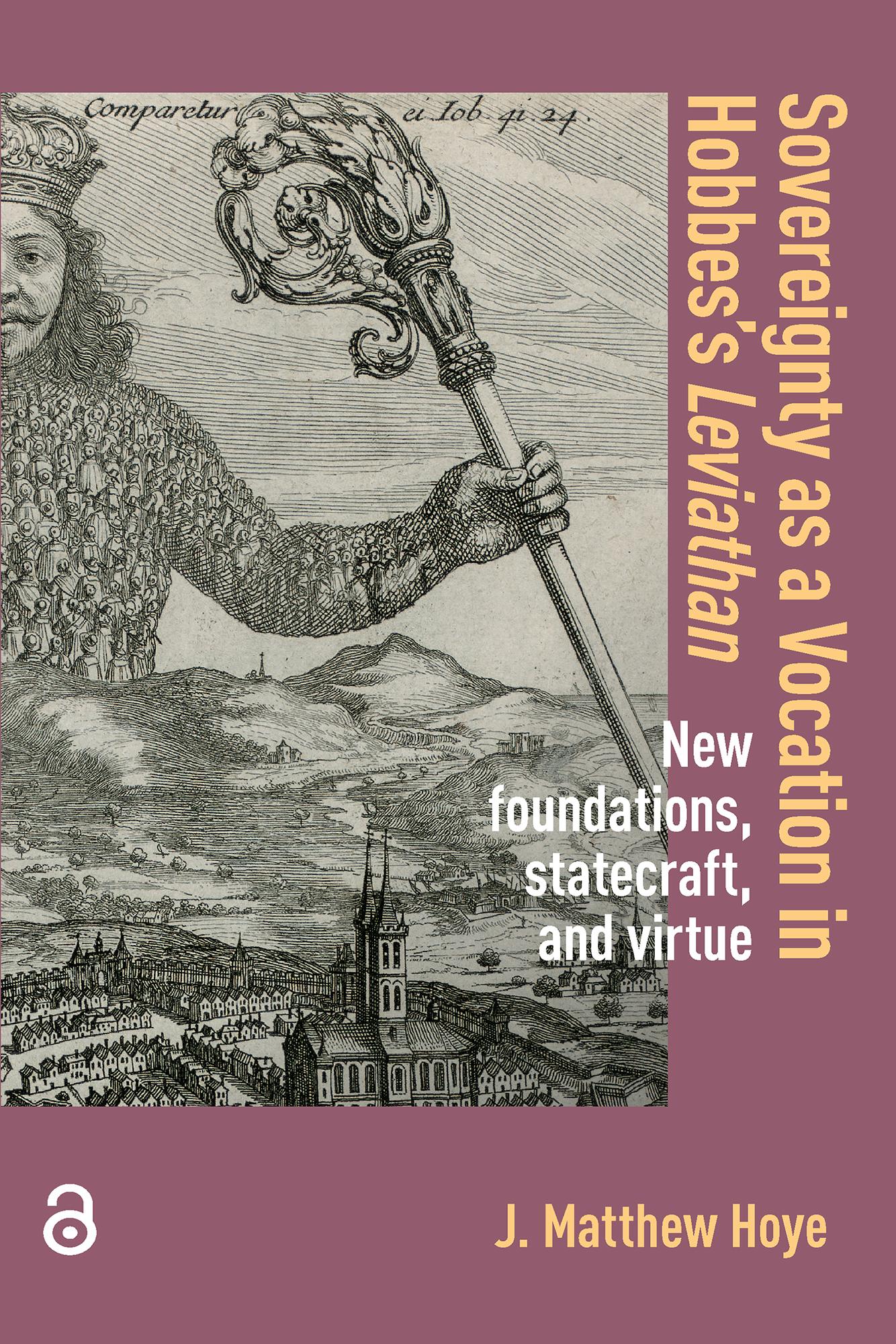
This book argues that the fundamental foundation of Hobbes’s political philosophy in Leviathan is wise, generous, loving, sincere, just, and valiant—in sum, magnanimous—statecraft, whereby sovereigns aim to realize natural justice, manifest as eminent and other-regarding virtue. It proposes that concerns over the virtues of the natural person bearing the office of the sovereign suffuse Hobbes’s political philosophy, defining both his theory of new foundations and his critiques of law and obligation. These aspects of Hobbes’s thought are new to Leviathan, as they respond to limitations in his early works in political theory, Elements and De Cive—limitations made apparent by the civil wars and the regicide of Charles I. Though new, this book argues that they tap into ancient political and philosophical ideas, foremostly the variously celebrated, mystified, and maligned figure of the orator founder.
Pay easily by card, Klarna, Apple Pay or Google Pay. Not happy? You always have a 14-day money-back guarantee. Read more in our terms. If you have any questions, email us at hello@memmo.org.
Memmo makes studying easier – wherever you are in the world. We bring your course books and smart study tools together in one place: summaries, quizzes, podcasts and flashcards. Plus Ted, your study buddy who answers anything you wonder. Over 50,000 students already study here – built to help you learn faster and stress less.