
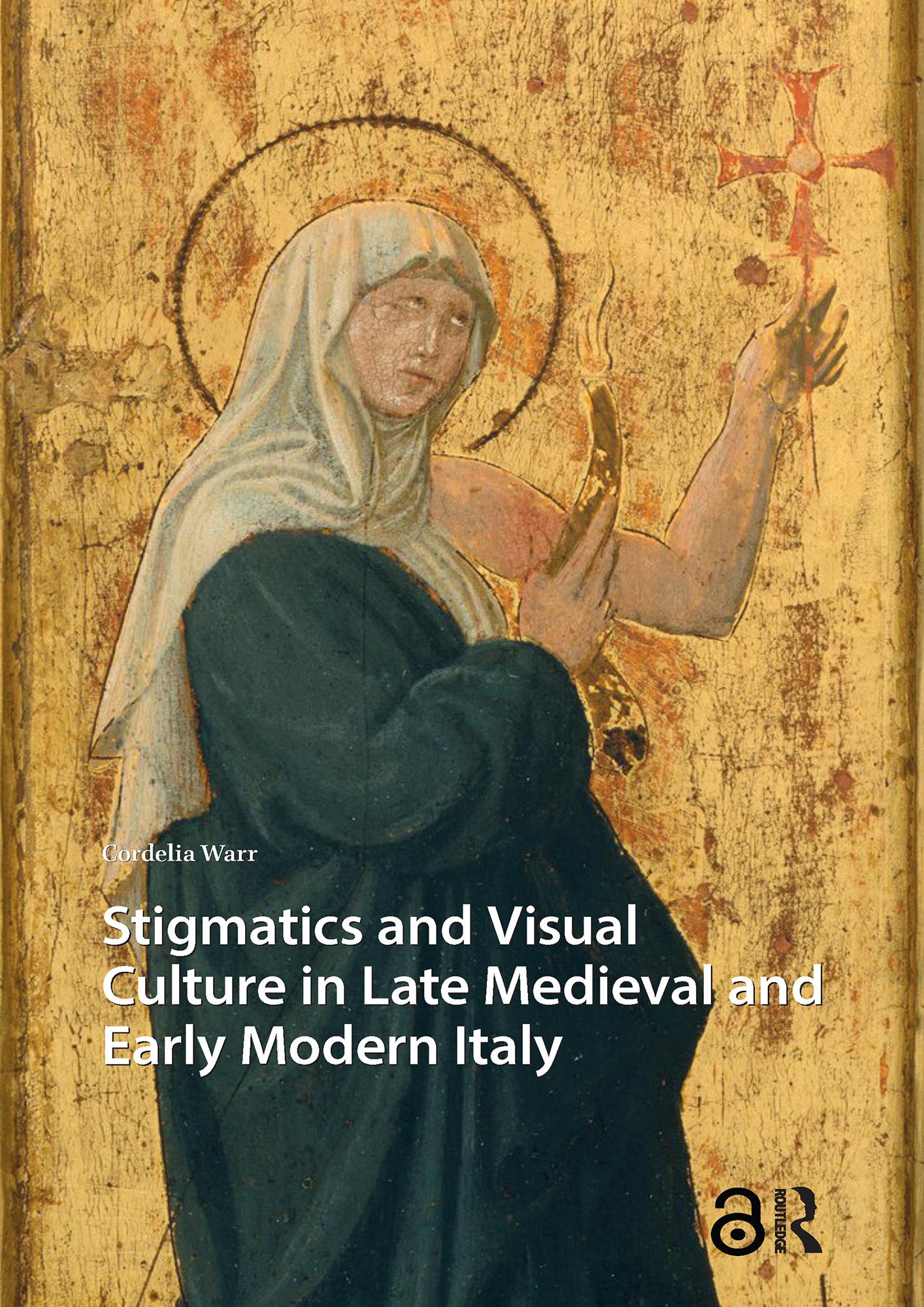
This book places the discourse surrounding stigmata within the visual culture of the late medieval and early modern periods, with a particular focus on Italy and on female stigmatics. Echoing, and to a certain extent recreating, the wounds and pain inflicted on Christ during his passion, stigmata stimulated controversy. Related to this were issues that were deeply rooted in contemporary visual culture such as how stigmata were described and performed and whether, or how, it was legitimate to represent stigmata in visual art. Because of the contested nature of stigmata and because stigmata did not always manifest in the same form - sometimes invisible, sometimes visible only periodically, sometimes miraculous, and sometimes self-inflicted - they provoked complex questions and reflections relating to the nature and purpose of visual representation.
Pay easily by card, Klarna, Apple Pay or Google Pay. Not happy? You always have a 14-day money-back guarantee. Read more in our terms. If you have any questions, email us at hello@memmo.org.
Memmo makes studying easier – wherever you are in the world. We bring your course books and smart study tools together in one place: summaries, quizzes, podcasts and flashcards. Plus Ted, your study buddy who answers anything you wonder. Over 50,000 students already study here – built to help you learn faster and stress less.
You might also like
Buy the book0