
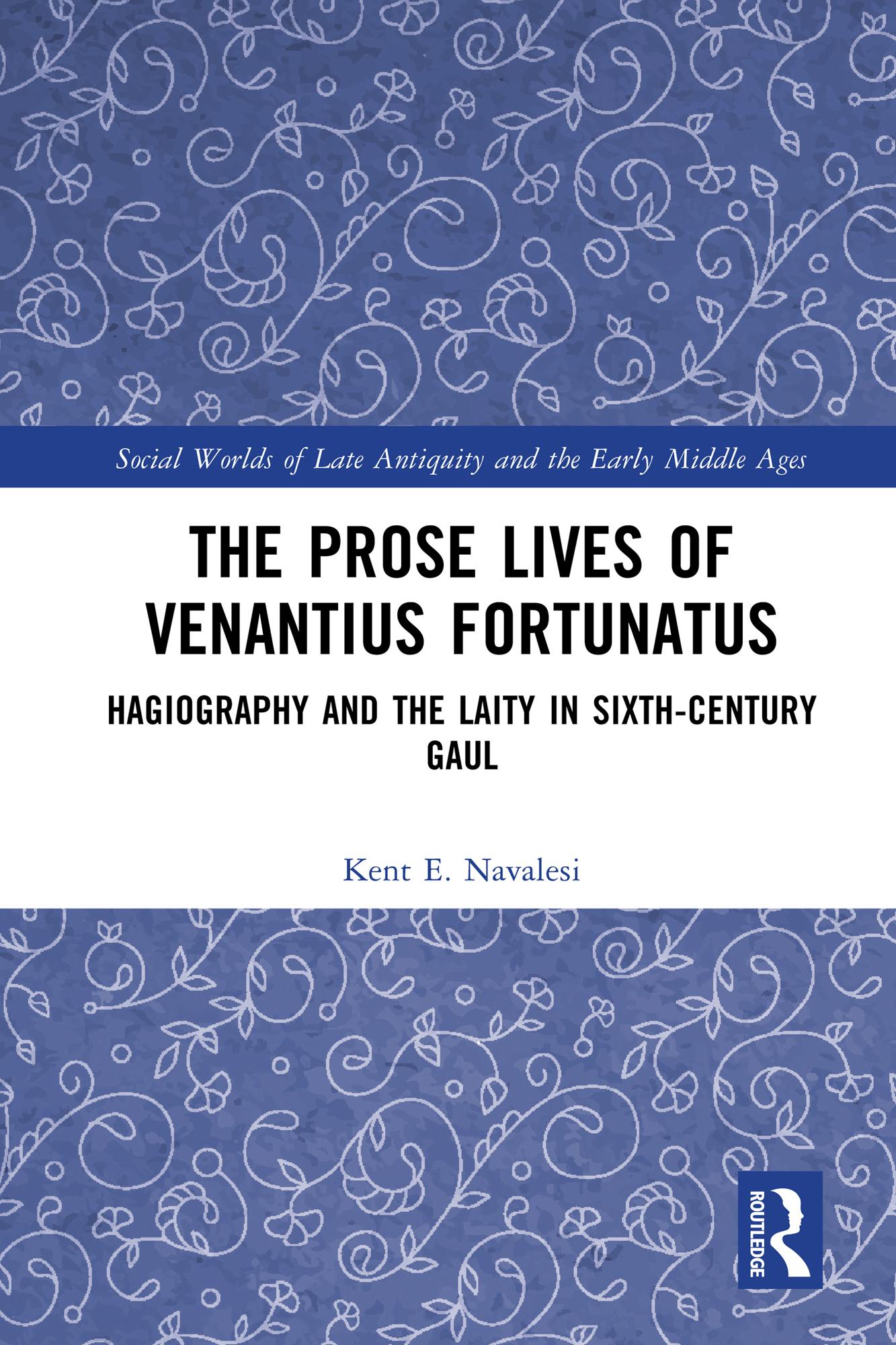
This book analyzes the prose hagiographies written by the poet Venantius Fortunatus (c.530-c.600/609CE) to ascertain how they were used in the pastoral care of the Christian laity in sixth-century Gaul, particularly through their recitation in the mass.
Applying methods from semiotics, narratology, and philology to recover the multi-faceted moral and spiritual teachings that would have emerged from their interpretation in this original, lost oral context, the book demonstrates that Fortunatus narratively promoted a predestinarian view of grace and free will. The prose vitae used religious outsiders as objects of intra-Christian edification, and reinforced ecclesiastical strictures on women’s sexuality and place in the church. The book closes with an extended analysis of the Life of Queen Radegund, arguing that Fortunatus fashioned this saint as a preeminent exemplar and recipient of lay piety. This study not only uncovers the pastoral significance of Fortunatus’ hagiography but also reveals the poet’s unacknowledged merit as a serious pastoral thinker.
This book breaks new ground in hagiography studies and will be of interest to researchers and enthusiasts of late antique history and literature.
Pay easily by card, Klarna, Apple Pay or Google Pay. Not happy? You always have a 14-day money-back guarantee. Read more in our terms. If you have any questions, email us at hello@memmo.org.
Memmo makes studying easier – wherever you are in the world. We bring your course books and smart study tools together in one place: summaries, quizzes, podcasts and flashcards. Plus Ted, your study buddy who answers anything you wonder. Over 50,000 students already study here – built to help you learn faster and stress less.