
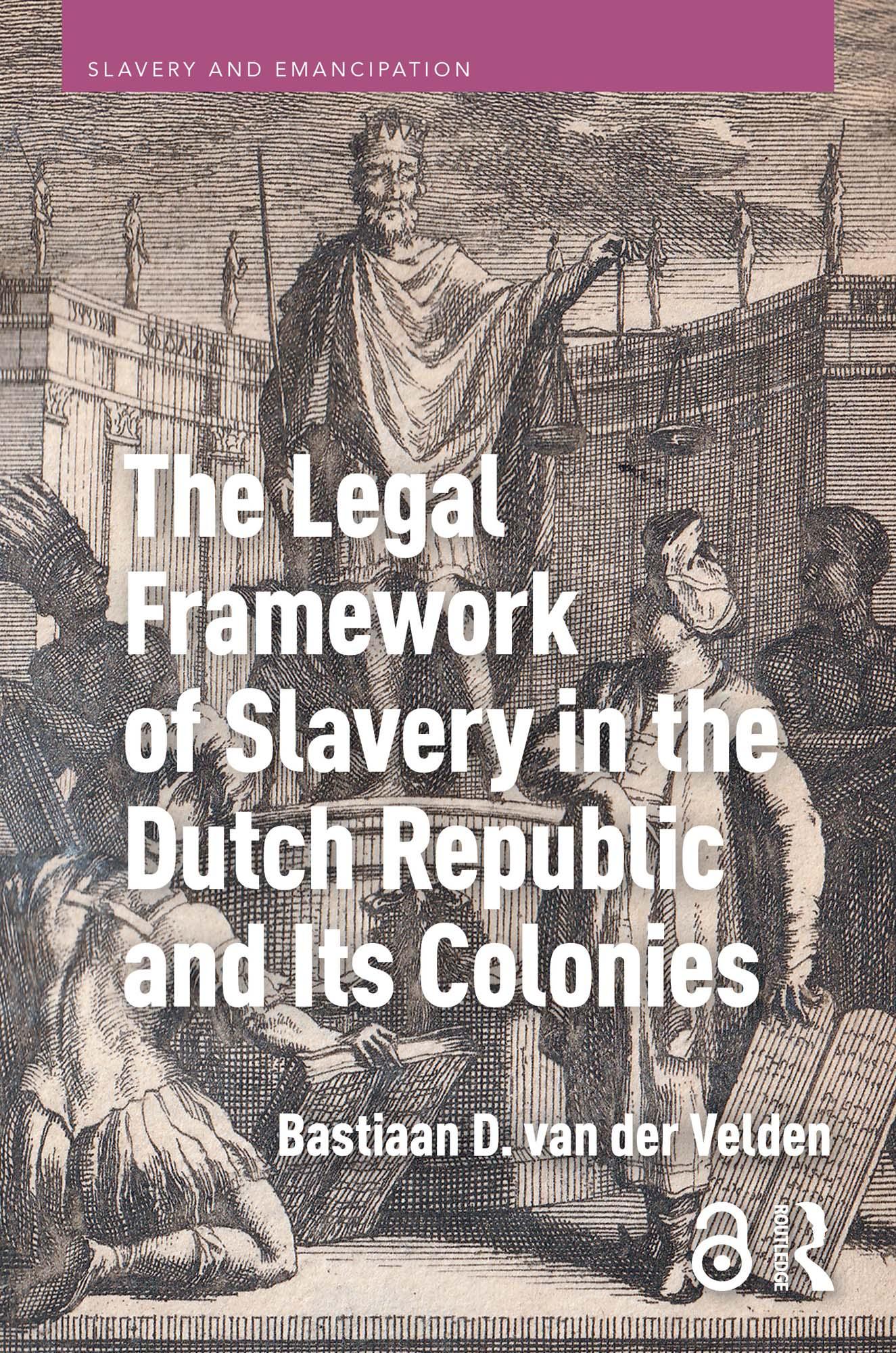
This study centers on the Dutch Republic, where Roman law—applied alongside contemporary legislation—was used to regulate the lives of enslaved individuals across its territories, albeit in a highly selective manner. Which provisions of Roman law were implemented, and what led to the exclusion of others?
This book investigates these questions through a historical analysis of the legal transfer of Roman law within both the metropole and the colonies. Special attention is given to the private law governing enslaved persons in the Dutch Republic and its overseas territories, including the WIC‑administered islands of Curaçao, Aruba, and Bonaire, the Sociëteit van Suriname, and the VOC‑controlled Cape Colony. The 2012 Bellagio‑Harvard Guidelines on the Legal Parameters of Slavery identify legal institutions grounded in the notion of ownership, providing a valuable framework for legal‑historical research on slavery.
Pay easily by card, Klarna, Apple Pay or Google Pay. Not happy? You always have a 14-day money-back guarantee. Read more in our terms. If you have any questions, email us at hello@memmo.org.
Memmo makes studying easier – wherever you are in the world. We bring your course books and smart study tools together in one place: summaries, quizzes, podcasts and flashcards. Plus Ted, your study buddy who answers anything you wonder. Over 50,000 students already study here – built to help you learn faster and stress less.