
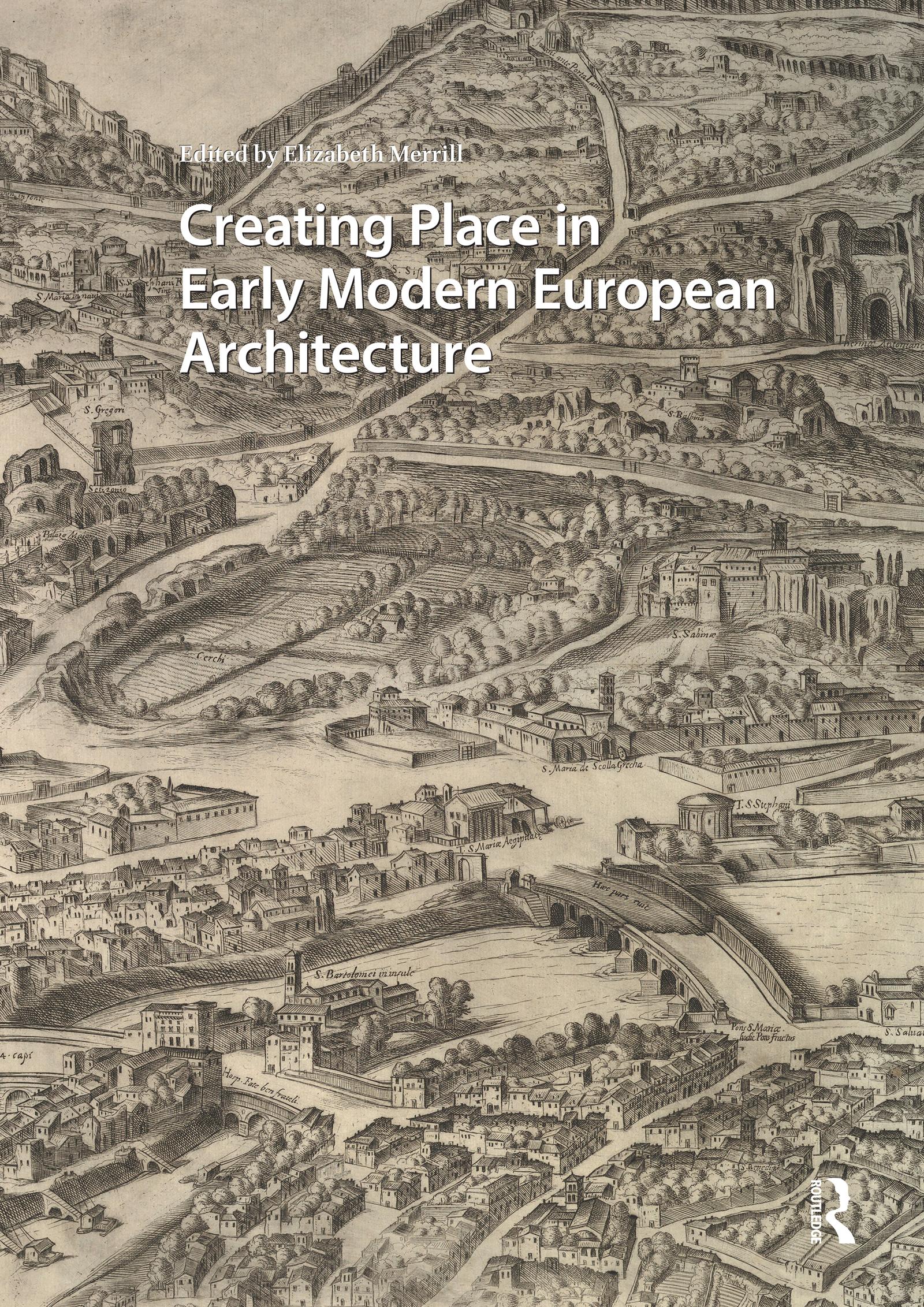
The importance of place – as a unique spatial identity – has been recognized since antiquity. Ancient references to the 'genius loci', or spirit of place, evoked not only the location of a distinct atmosphere or environment, but also the protection of this location, and implicitly, its making and construction. This volume examines the concept of place as it relates to architectural production and building knowledge in early modern Europe (1400-1800). The places explored in the book's ten essays take various forms, from an individual dwelling to a cohesive urban development to an extensive political territory. Within the scope of each study, the authors draw on primary source documents and original research to demonstrate the distinctive features of a given architectural place, and how these are related to a geographic location, social circumstances, and the contributions of individual practitioners. The essays underscore the distinct techniques, practices and organizational structures by which physical places were made in the early modern period.|An inquiry on place-making and architectural production in early modern Europe (1400-1750) Interdisciplinary methodology and critical approaches Thematic study that draws together subjects from throughout early modern Europe.
Pay easily by card, Klarna, Apple Pay or Google Pay. Not happy? You always have a 14-day money-back guarantee. Read more in our terms. If you have any questions, email us at hello@memmo.org.
Memmo makes studying easier – wherever you are in the world. We bring your course books and smart study tools together in one place: summaries, quizzes, podcasts and flashcards. Plus Ted, your study buddy who answers anything you wonder. Over 75,000 students already study here – built to help you learn faster and stress less.