
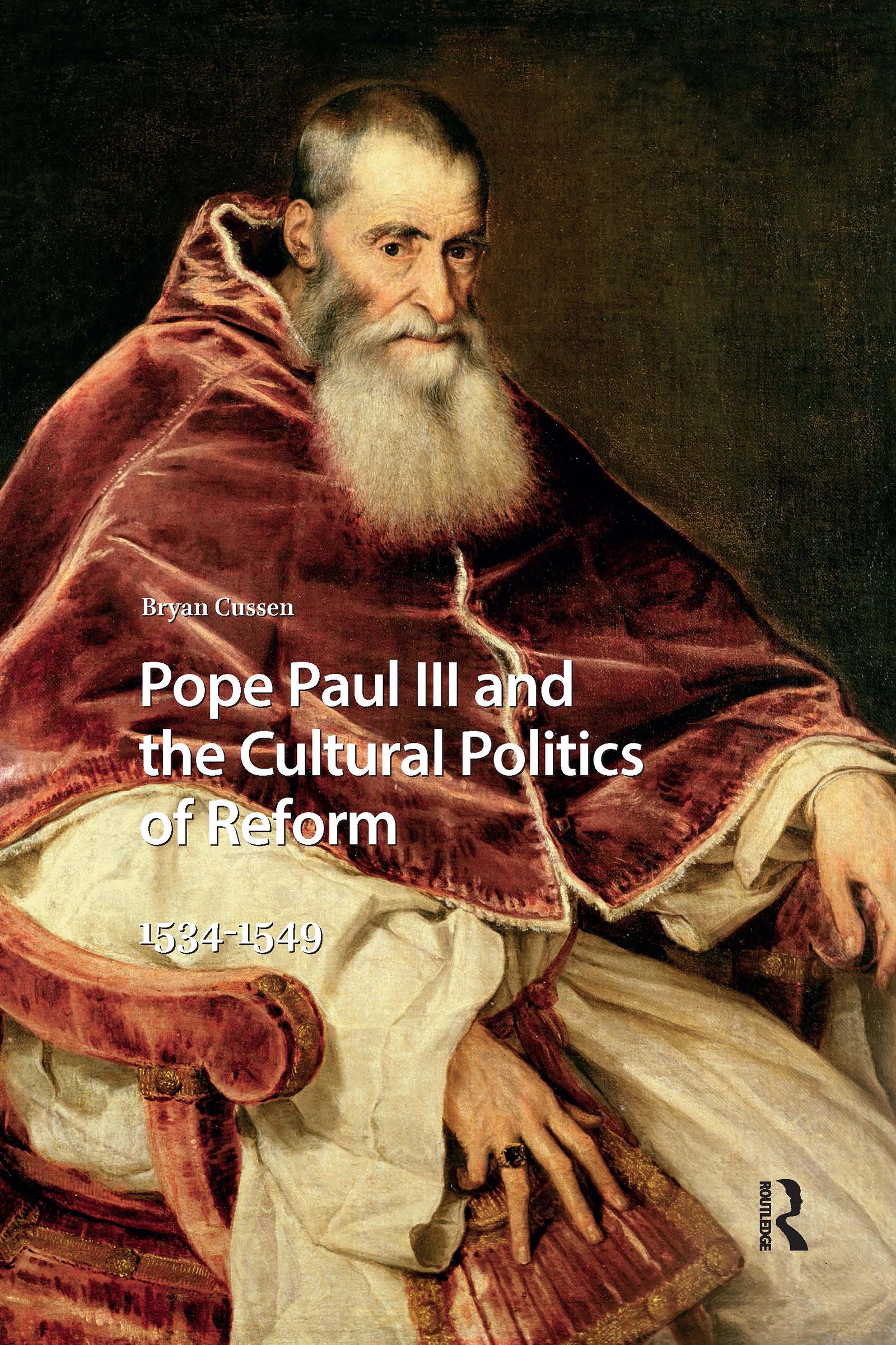
When Paul III was elected in 1534, hopes arose across Christendom that this pope would at last reform and reunite the Church. During his fifteen-year reign, though, Paul's engagement with reform was complex and contentious. A work of cultural history, this book explores how cultural narratives of honour and tradition, including how honour played out in politics, significantly constrained Pope Paul and his chosen reformers in framing strategies for change. Indeed, the reformers' programme would have undermined the culture of honour and weakened Rome's capacity to ward off current threats of invasion. The study makes a provocative case that Paul called the Council of Trent to contain reform rather than promote it. Nevertheless, Paul and the Council did sow seeds of reform that eventually became central to the Counter-Reformation. This book thus sheds new light on a pope whose relationship to reform has long been regarded as an enigma.
Pay easily by card, Klarna, Apple Pay or Google Pay. Not happy? You always have a 14-day money-back guarantee. Read more in our terms. If you have any questions, email us at hello@memmo.org.
Memmo makes studying easier – wherever you are in the world. We bring your course books and smart study tools together in one place: summaries, quizzes, podcasts and flashcards. Plus Ted, your study buddy who answers anything you wonder. Over 50,000 students already study here – built to help you learn faster and stress less.
You might also like
Buy the book0