
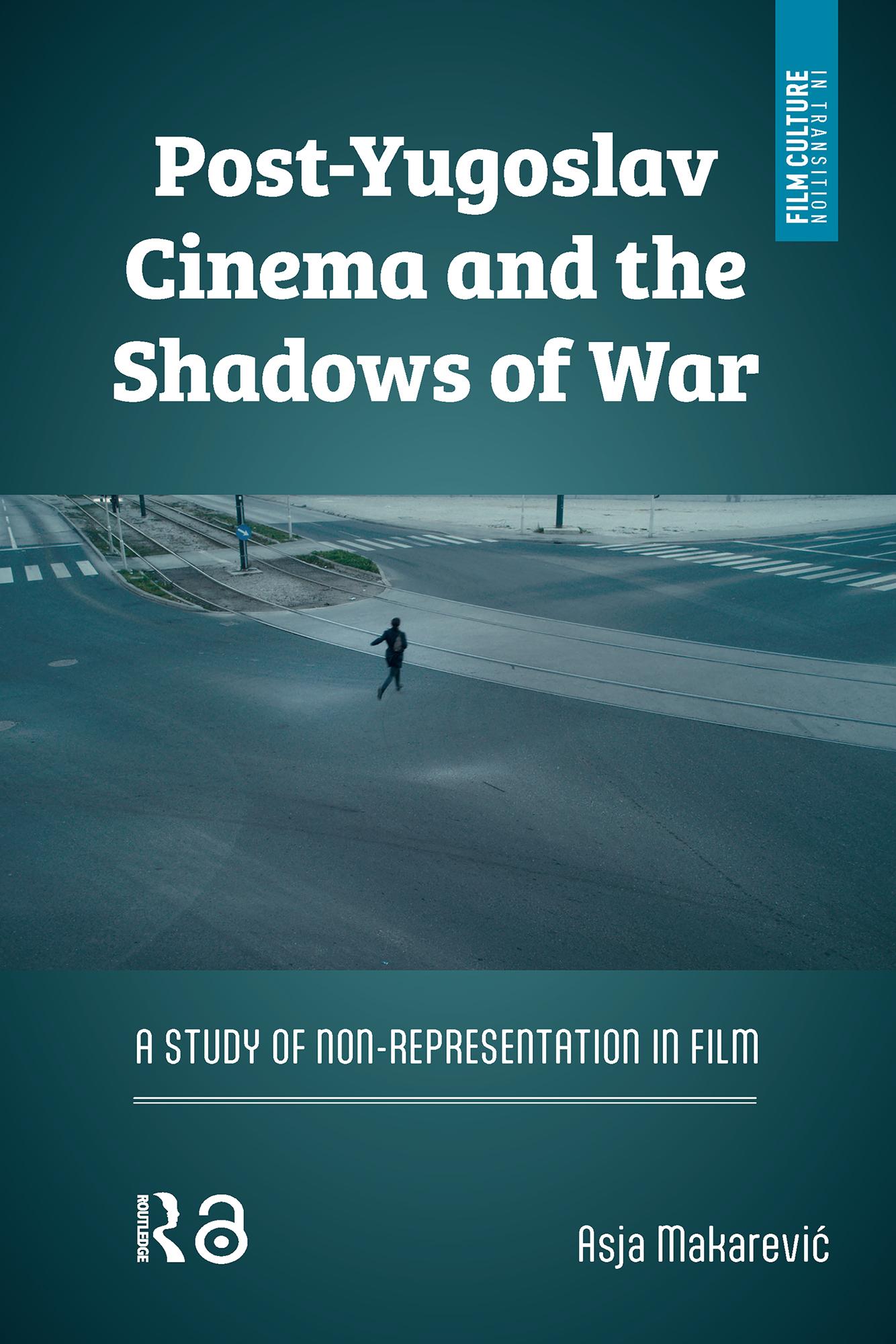
Bosnia-Herzegovina is still considered a post-war country. The concept of post-war implies that the country and its people are tied more strongly to the past than they are oriented towards the future. Paradoxically, as long as the future is kept at bay and the post-war condition kept alive, Bosnia maintains a certain significance on the global scene. However, living in the temporal vacuum of the post-war condition cannot be a long-term perspective. A range of post-Yugoslav films provides spectators with images that offer innovative approaches to the collective past, while simultaneously reframing contemporary experience. This study proposes to call non-representational images appears to offer a more dynamic relationship to the past and the present, while reflecting complex processes of the formation of identity, memory, guilt, and responsibility. But if these dynamics are inherent in non-representational images, is there a way in which they can contribute to overcoming the post-war condition?
Pay easily by card, Klarna, Apple Pay or Google Pay. Not happy? You always have a 14-day money-back guarantee. Read more in our terms. If you have any questions, email us at hello@memmo.org.
Memmo makes studying easier – wherever you are in the world. We bring your course books and smart study tools together in one place: summaries, quizzes, podcasts and flashcards. Plus Ted, your study buddy who answers anything you wonder. Over 50,000 students already study here – built to help you learn faster and stress less.
You might also like
Buy the book0