
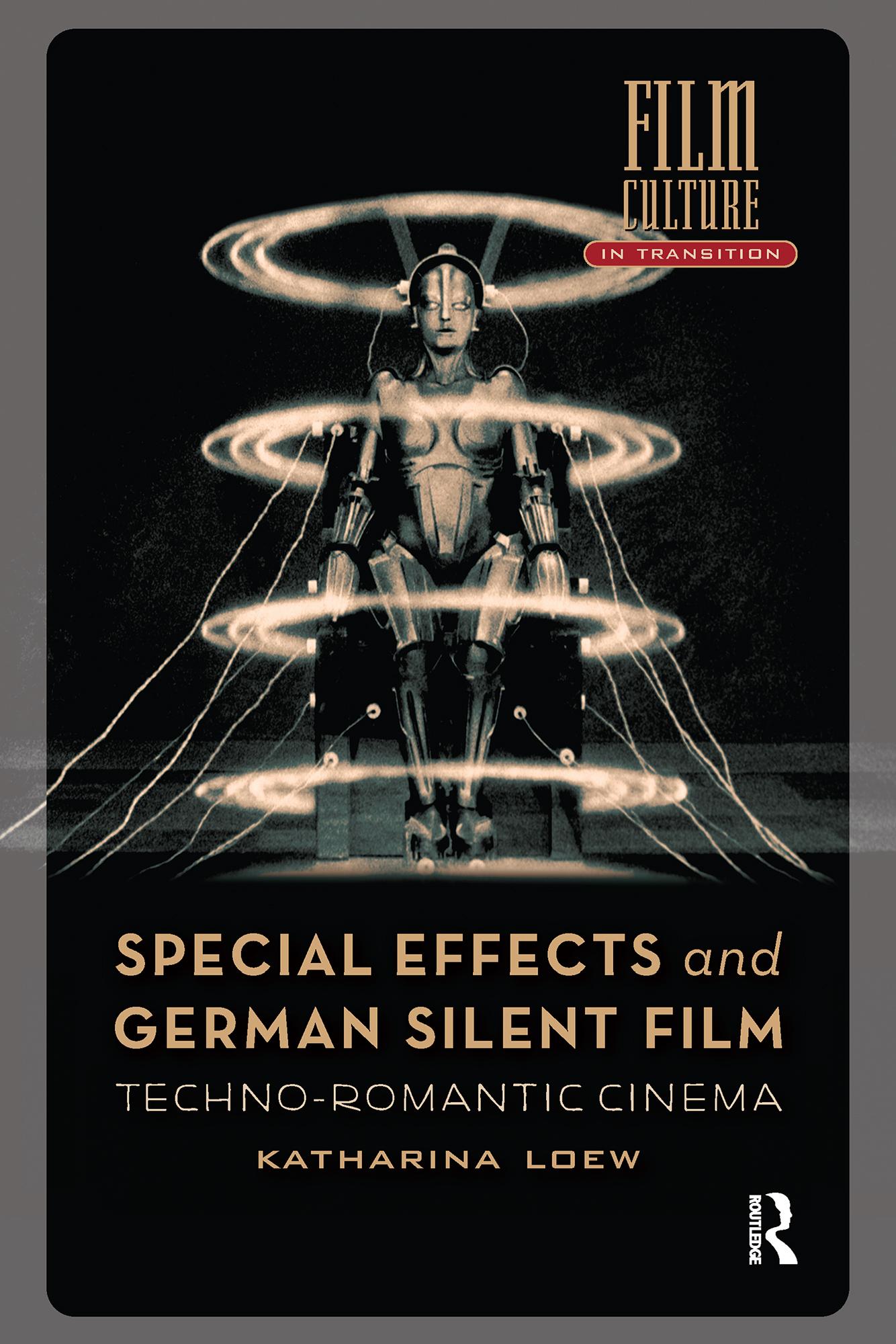
In recent decades, special effects have become a major new area of research in cinema studies. For the most part, they have been examined as spectacles or practical tools. In contrast, Special Effects and German Silent Film, foregrounds their function as an expressive device and their pivotal role in cinema’s emergence as a full-fledged art. Special effects not only shaped the look of iconic films like Nosferatu (1922) or Metropolis (1927), but they are central to a comprehensive understanding of German silent film culture writ large. This book examines special effects as the embodiment of a “techno-romantic” paradigm that seeks to harness technology – the epitome of modern materialism – as a means for accessing a spiritual realm. Employed to visualize ideas and emotions in a medium-specific way, special effects thus paved the way for film art.
Pay easily by card, Klarna, Apple Pay or Google Pay. Not happy? You always have a 14-day money-back guarantee. Read more in our terms. If you have any questions, email us at hello@memmo.org.
Memmo makes studying easier – wherever you are in the world. We bring your course books and smart study tools together in one place: summaries, quizzes, podcasts and flashcards. Plus Ted, your study buddy who answers anything you wonder. Over 50,000 students already study here – built to help you learn faster and stress less.