
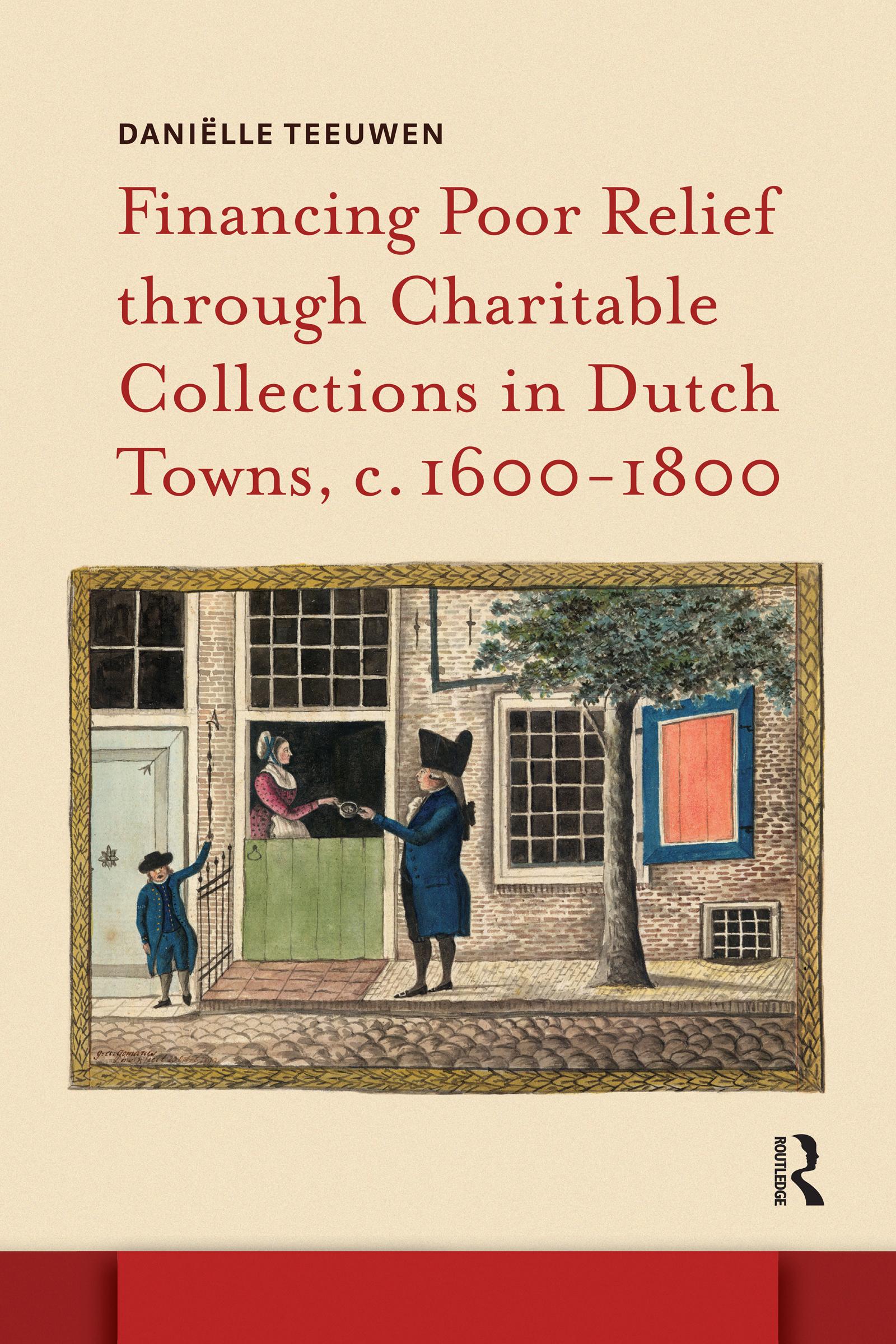
In the Dutch Republic, charitable collections, which formed the financial backbone of many poor relief institutions, were regularly organised by both religious and secular authorities. This book examines both the policies of church boards and town councils in organising these charitable appeals, as well as the general population's giving behaviour. Using archival sources from the towns of Delft, Utrecht, Zwolle, and 's-Hertogenbosch, Daniëlle Teeuwen shows how these authorities deployed organisational and rhetorical tactics-including creating awareness, establishing trust, and exerting pressure-to successfully promote fundraising campaigns. Not only did many relief institutions manage to collect large annual sums, but contributions came from across the socioeconomic spectrum.
Pay easily by card, Klarna, Apple Pay or Google Pay. Not happy? You always have a 14-day money-back guarantee. Read more in our terms. If you have any questions, email us at hello@memmo.org.
Memmo makes studying easier – wherever you are in the world. We bring your course books and smart study tools together in one place: summaries, quizzes, podcasts and flashcards. Plus Ted, your study buddy who answers anything you wonder. Over 50,000 students already study here – built to help you learn faster and stress less.
You might also like
Buy the book0