
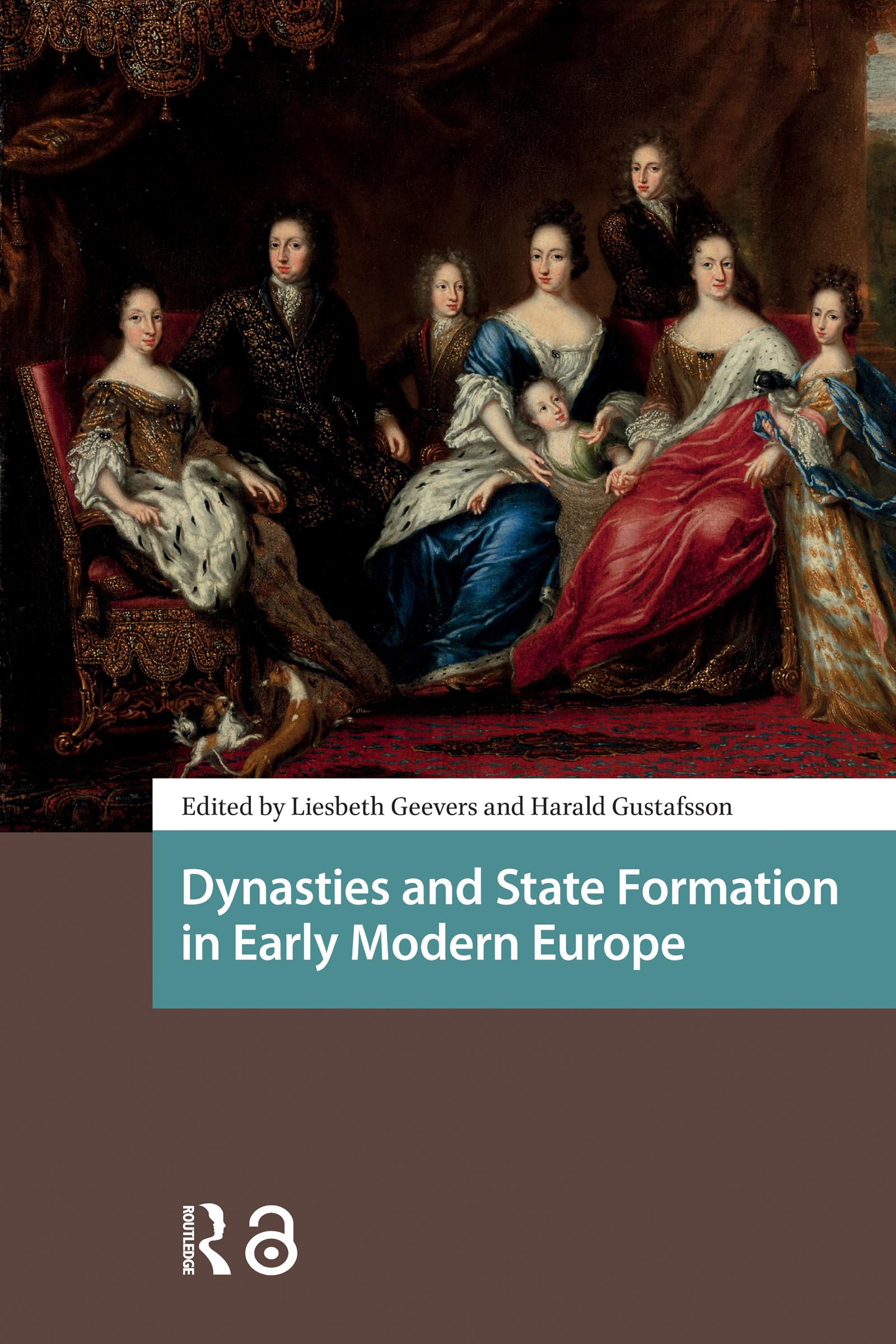
In state formation research, princely houses have been a blind spot. The development of states has been discussed from many perspectives, like interstate competition, internal social conflicts, fiscal-military developments, etc., but at the centre of most European states, there was a princely house. These ruling houses have been overlooked in studies about state formation. What’s more, when discussing such dynasties, the vertical chronological perspective (grandfather-father-son) is all dominating, for instance in the focus on dynastic continuity, dynastic culture and representation, and the like. This collection of essays highlights the horizontal perspective (ruler, all children, siblings, cousins), in asking how the members of a princely family acted as a power network. The quest is to develop an understanding how this family network interplayed with other factors in the state formation process. This volume brings together existing knowledge of the topic with the aim of exchanging insights and furthering knowledge.
Pay easily by card, Klarna, Apple Pay or Google Pay. Not happy? You always have a 14-day money-back guarantee. Read more in our terms. If you have any questions, email us at hello@memmo.org.
Memmo makes studying easier – wherever you are in the world. We bring your course books and smart study tools together in one place: summaries, quizzes, podcasts and flashcards. Plus Ted, your study buddy who answers anything you wonder. Over 50,000 students already study here – built to help you learn faster and stress less.
You might also like
Buy the book0