
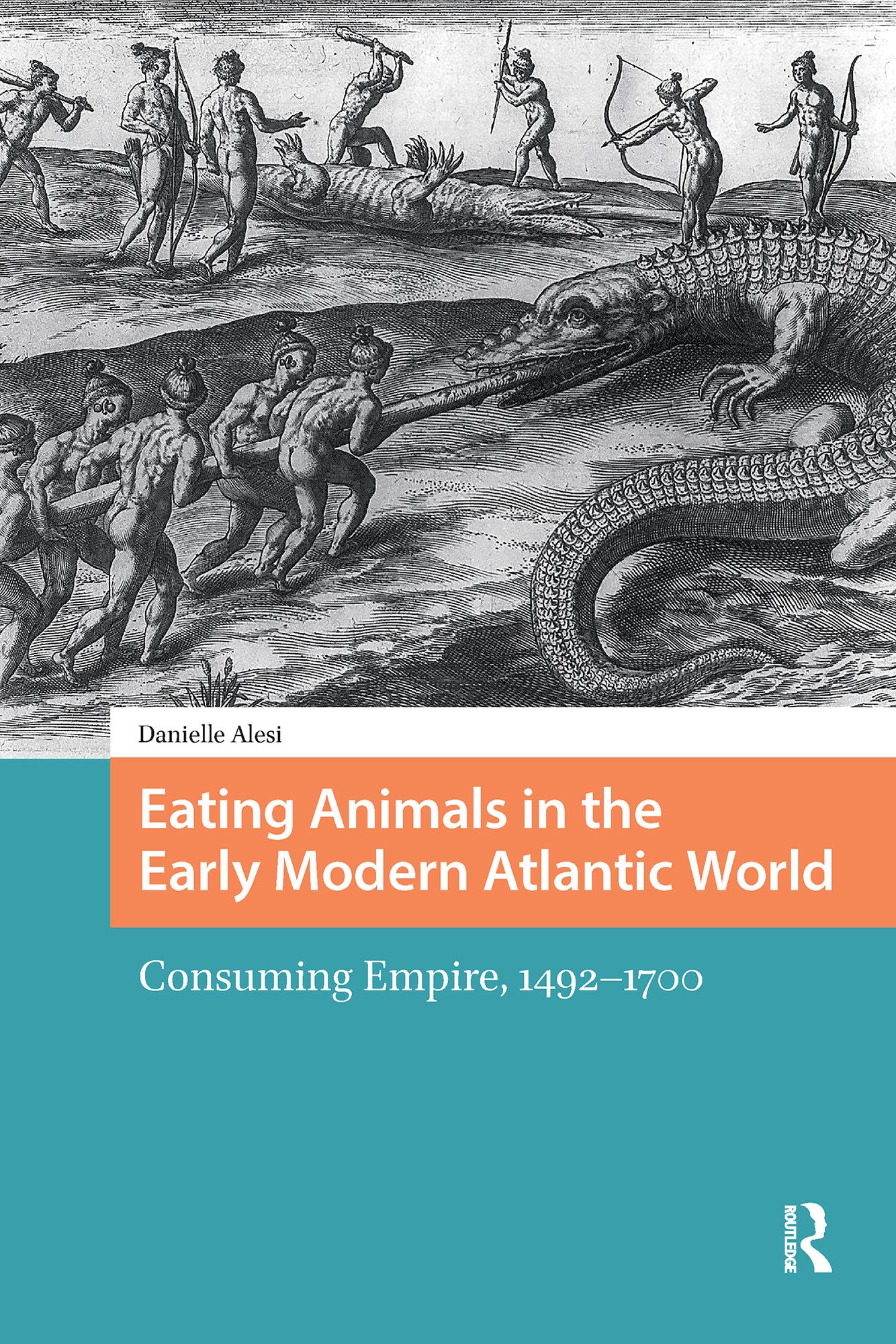
This book examines how the perceived edibility of animals evolved during the colonization of the Americas. Early European colonizers ate a variety of animals in the Americas, motivated by factors like curiosity, starvation, and diplomacy. As settlements increased and became more sustainable, constructs of edibility shifted and the colonial food system evolved accordingly. By exploring the changes in animal edibility identifiable in early modern Spanish, French, and English sources in the regions of Mesoamerica, Greater Amazonia, and the east coast of North America, this book shows that animals, foodways, and settler colonialism are inextricably linked and that the colonization of the Americas was not only the beginning of new empires, but also of a long-lasting colonial food culture that drives both food systems and human-animal relationships to the present day.
Pay easily by card, Klarna, Apple Pay or Google Pay. Not happy? You always have a 14-day money-back guarantee. Read more in our terms. If you have any questions, email us at hello@memmo.org.
Memmo makes studying easier – wherever you are in the world. We bring your course books and smart study tools together in one place: summaries, quizzes, podcasts and flashcards. Plus Ted, your study buddy who answers anything you wonder. Over 50,000 students already study here – built to help you learn faster and stress less.
You might also like
Buy the book0