
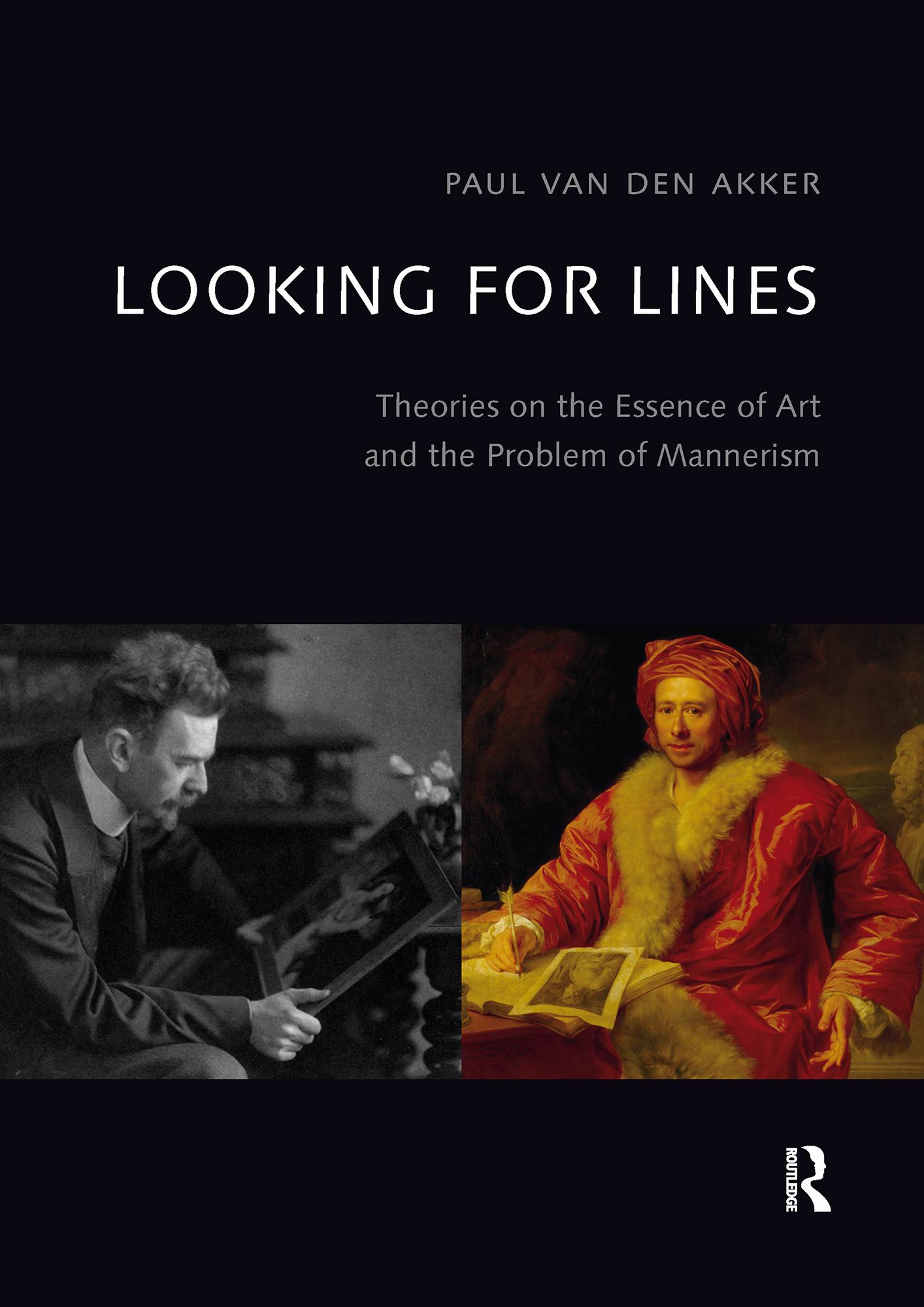
Studies of Old Masters are often implicitly based on modern notions, which do not necessarily tally with ideas contemporary with their art. According to one such tacit assumption a work of art gains its status from the quality of the abstract pictorial composition made up of lines and colours. Whether discussing a medieval altarpiece, or a fresco by Raphael, it is customary to relate its artistic value to the abstract formal language into which the figures or narratives are translated, and not to the power of the visual illusion which is conjured up by the work of art.Referring to the ideas of art historians, critics and philosophers including Hogarth, Caylus, Goethe, Schnaase, Burckhardt, Wölfflin and Shearman, this theoretically revolutionary study questions the historical validity of this view by tracking down its origins back to the eighteenth century and then following its evolution up to the present day. Paying particular attention to the historiography of Mannerism, it scrutinises the influence that this view has had on aesthetic judgments over the past three centuries. A perfect companion for anyone engaged with aesthetics, this book offers a valuable contribution to the discussion surrounding the principles and values in art history.
Pay easily by card, Klarna, Apple Pay or Google Pay. Not happy? You always have a 14-day money-back guarantee. Read more in our terms. If you have any questions, email us at hello@memmo.org.
Memmo makes studying easier – wherever you are in the world. We bring your course books and smart study tools together in one place: summaries, quizzes, podcasts and flashcards. Plus Ted, your study buddy who answers anything you wonder. Over 50,000 students already study here – built to help you learn faster and stress less.
You might also like
Buy the book0