
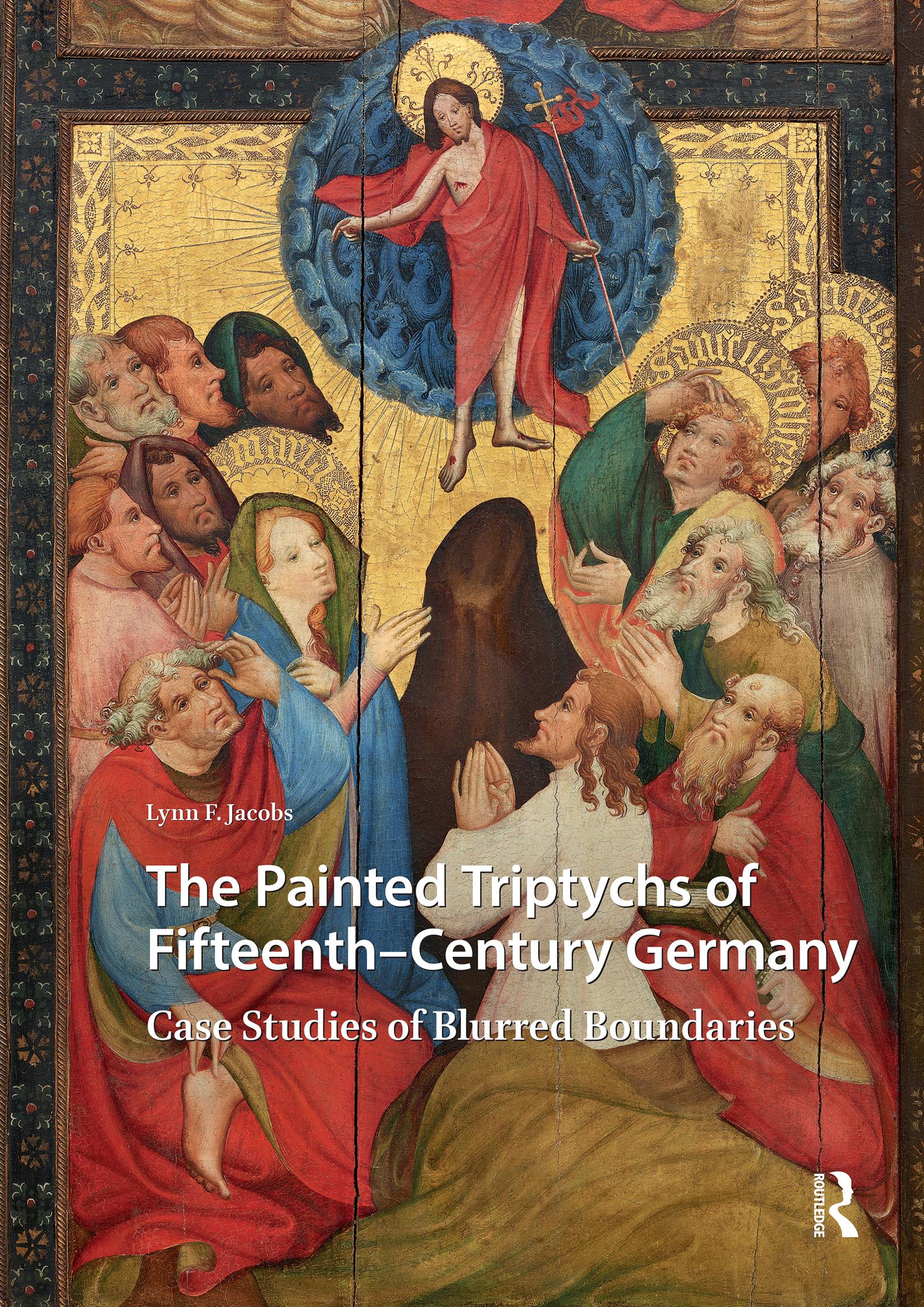
This book presents four case studies that interrogate how German fifteenth-century painted triptychs engage with, and ultimately blur, various boundaries. Some of the boundaries are internal to the triptych format, for example, transgressed frames between narrative scenes on triptych interiors, or interconnections between imagery on triptych interiors and exteriors. Other blurred boundaries are regional ones between the Netherlands and Cologne; metaphysical ones between heaven and earth; and artistic distinctions between the media of painting and sculpture. The book’s case studies—which shed new light on Conrad von Soest, Stefan Lochner, and the Master of the St. Bartholomew Altarpiece—illuminate the importance of German fifteenth-century painting, while providing a fresh assessment of relations between German triptychs and their more famous Netherlandish counterparts. The case studies also demonstrate the value of probing Medialität, that is, the implications of format and medium for generating meaning. A coda assesses the triptych in the age of Dürer.
Pay easily by card, Klarna, Apple Pay or Google Pay. Not happy? You always have a 14-day money-back guarantee. Read more in our terms. If you have any questions, email us at hello@memmo.org.
Memmo makes studying easier – wherever you are in the world. We bring your course books and smart study tools together in one place: summaries, quizzes, podcasts and flashcards. Plus Ted, your study buddy who answers anything you wonder. Over 50,000 students already study here – built to help you learn faster and stress less.