
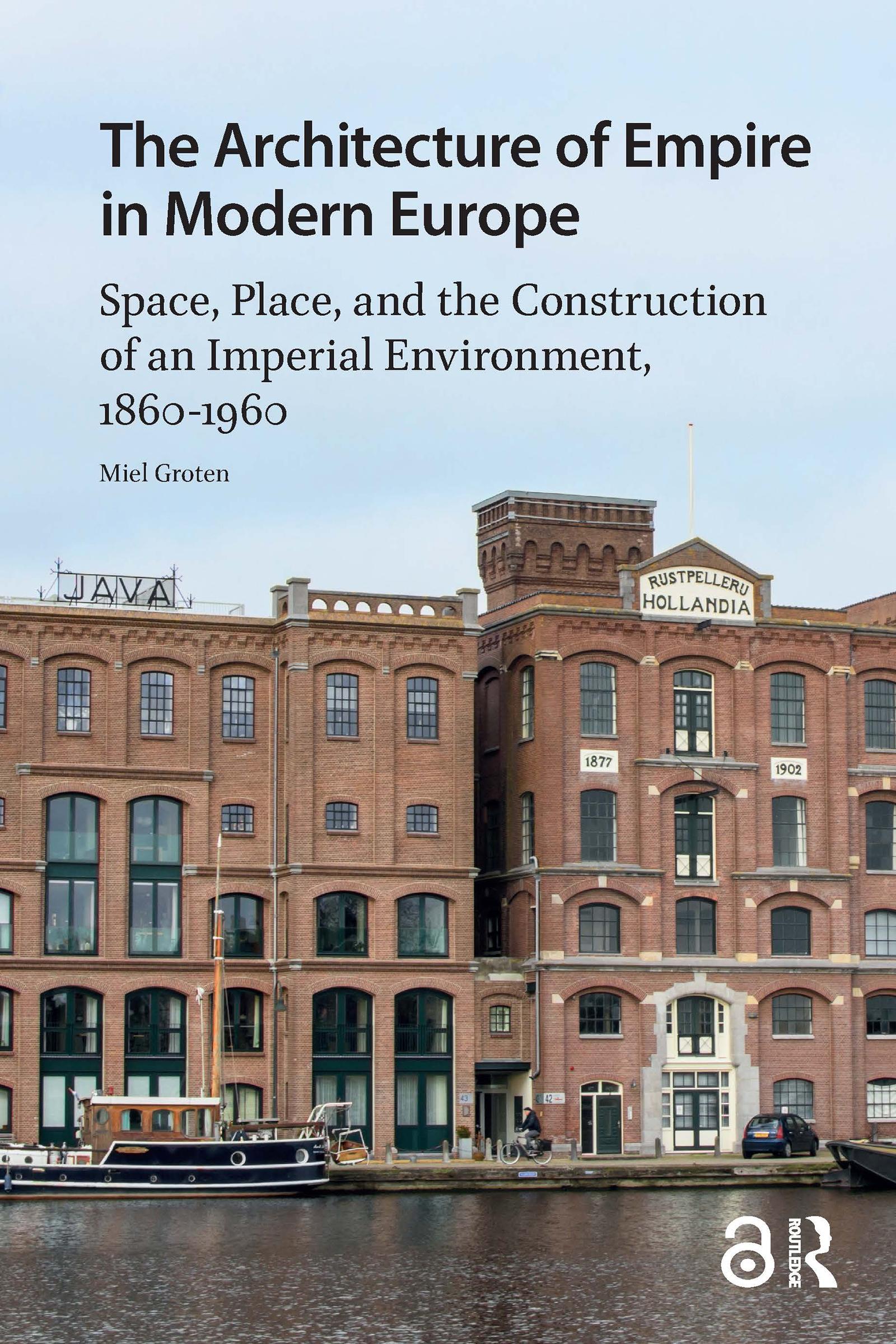
Empires stretched around the world, but also made their presence felt in architecture and urban landscapes. The Architecture of Empire in Modern Europe traces the entanglement of the European built environment with overseas imperialism in the nineteenth and twentieth centuries. As part of imperial networks between metropole and colonies, in cities as diverse as Glasgow, Hamburg, or Paris, numerous new buildings were erected such as factories, mission houses, offices, and museums. These sites developed into the physical manifestations of imperial networks. As Europeans designed, used, and portrayed them, these buildings became meaningful imperial places that conveyed the power relations of empire and Eurocentric self-images. Engaging with recent debates about colonial history and heritage, this book combines a variety of sources, an interdisciplinary approach, and an international scope to produce a cultural history of European imperial architecture across borders.
Pay easily by card, Klarna, Apple Pay or Google Pay. Not happy? You always have a 14-day money-back guarantee. Read more in our terms. If you have any questions, email us at hello@memmo.org.
Memmo makes studying easier – wherever you are in the world. We bring your course books and smart study tools together in one place: summaries, quizzes, podcasts and flashcards. Plus Ted, your study buddy who answers anything you wonder. Over 75,000 students already study here – built to help you learn faster and stress less.