
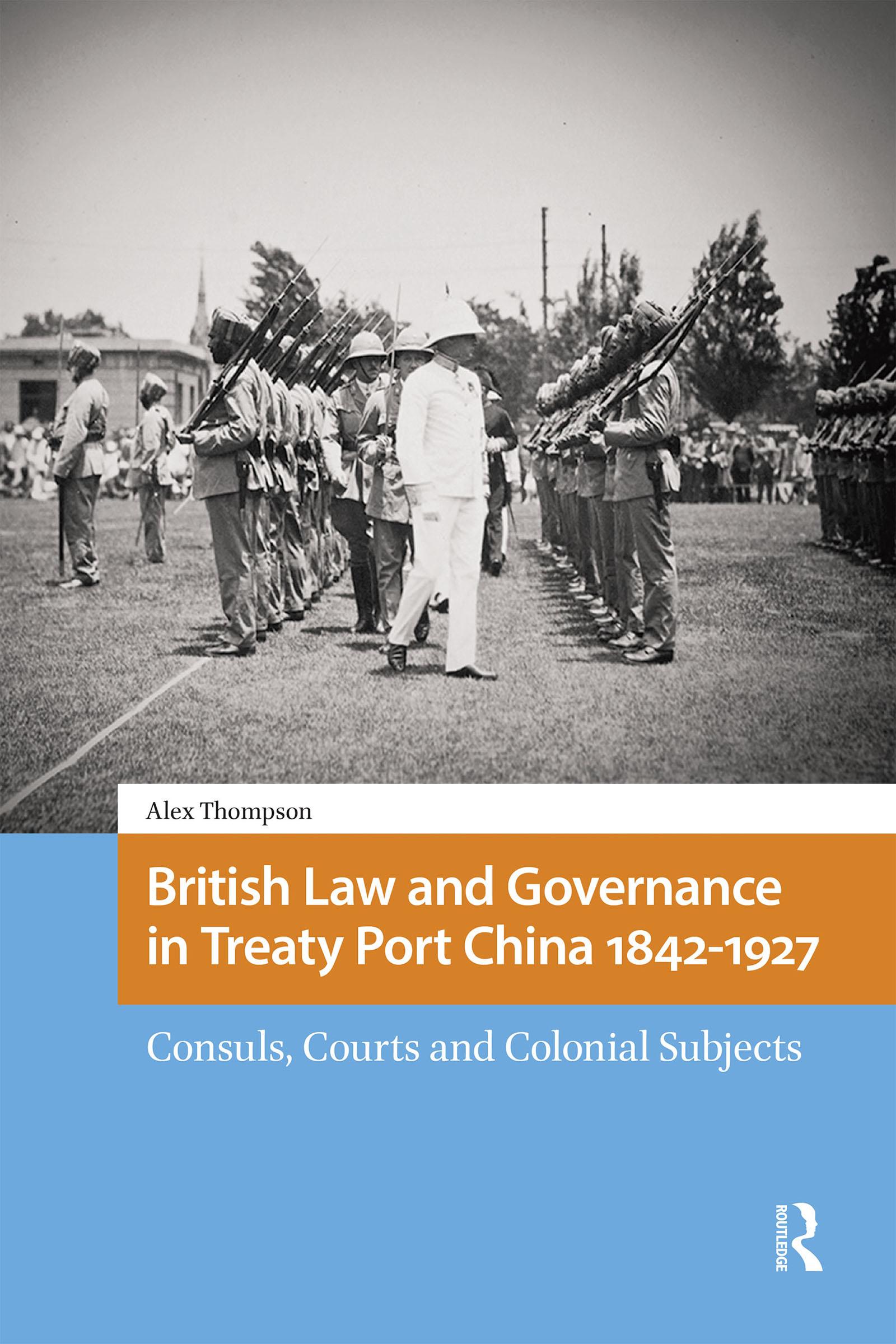
In putting extraterritoriality into practice in the treaty ports, the British state did not simply withdraw rights from the Chinese state; it inhabited the space made by extraterritoriality by building institutions and engaging in practices which had consequences for the development of the treaty ports, and which need to be at the forefront of any attempt to understand colonialism in China. Through a focus both on the creation of law and institutions, and also on the management of British ‘problem populations’ – violent Europeans and ‘martial’ Indians – this book provides a revision of the history of empire and colonialism in China, explaining important features which have to date been glossed over in studies of other aspects of treaty port colonialism. Colonialism in China casts a long shadow, but key aspects of the British state’s central role in this history have before now been little understood.
Pay easily by card, Klarna, Apple Pay or Google Pay. Not happy? You always have a 14-day money-back guarantee. Read more in our terms. If you have any questions, email us at hello@memmo.org.
Memmo makes studying easier – wherever you are in the world. We bring your course books and smart study tools together in one place: summaries, quizzes, podcasts and flashcards. Plus Ted, your study buddy who answers anything you wonder. Over 50,000 students already study here – built to help you learn faster and stress less.
You might also like
Buy the book0