
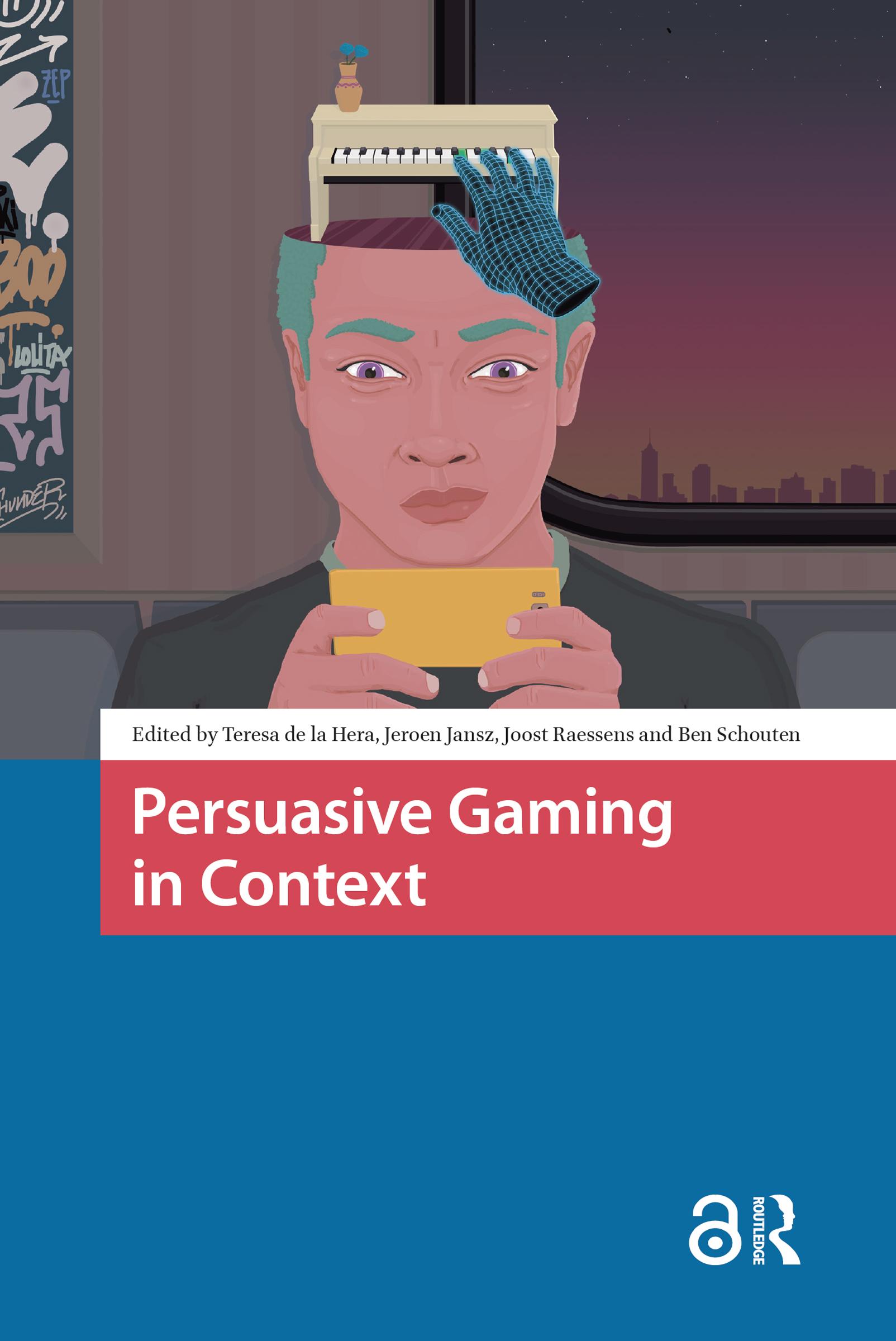
The rapid developments in new communication technologies have facilitated the popularization of digital games, which has translated into an exponential growth of the game industry in recent decades. The ubiquitous presence of digital games has resulted in an expansion of the applications of these games from mere entertainment purposes to a great variety of serious purposes. In this edited volume, we narrow the scope of attention by focusing on what game theorist Ian Bogost has called 'persuasive games', that is, gaming practices that combine the dissemination of information with attempts to engage players in particular attitudes and behaviors. This volume offers a multifaceted reflection on persuasive gaming, that is, on the process of these particular games being played by players. The purpose is to better understand when and how digital games can be used for persuasion by further exploring persuasive games and some other kinds of persuasive playful interaction as well. The book critically integrates what has been accomplished in separate research traditions to offer a multidisciplinary approach to understanding persuasive gaming that is closely linked to developments in the industry by including the exploration of relevant case studies.
Pay easily by card, Klarna, Apple Pay or Google Pay. Not happy? You always have a 14-day money-back guarantee. Read more in our terms. If you have any questions, email us at hello@memmo.org.
Memmo makes studying easier – wherever you are in the world. We bring your course books and smart study tools together in one place: summaries, quizzes, podcasts and flashcards. Plus Ted, your study buddy who answers anything you wonder. Over 50,000 students already study here – built to help you learn faster and stress less.
You might also like
Buy the book0