
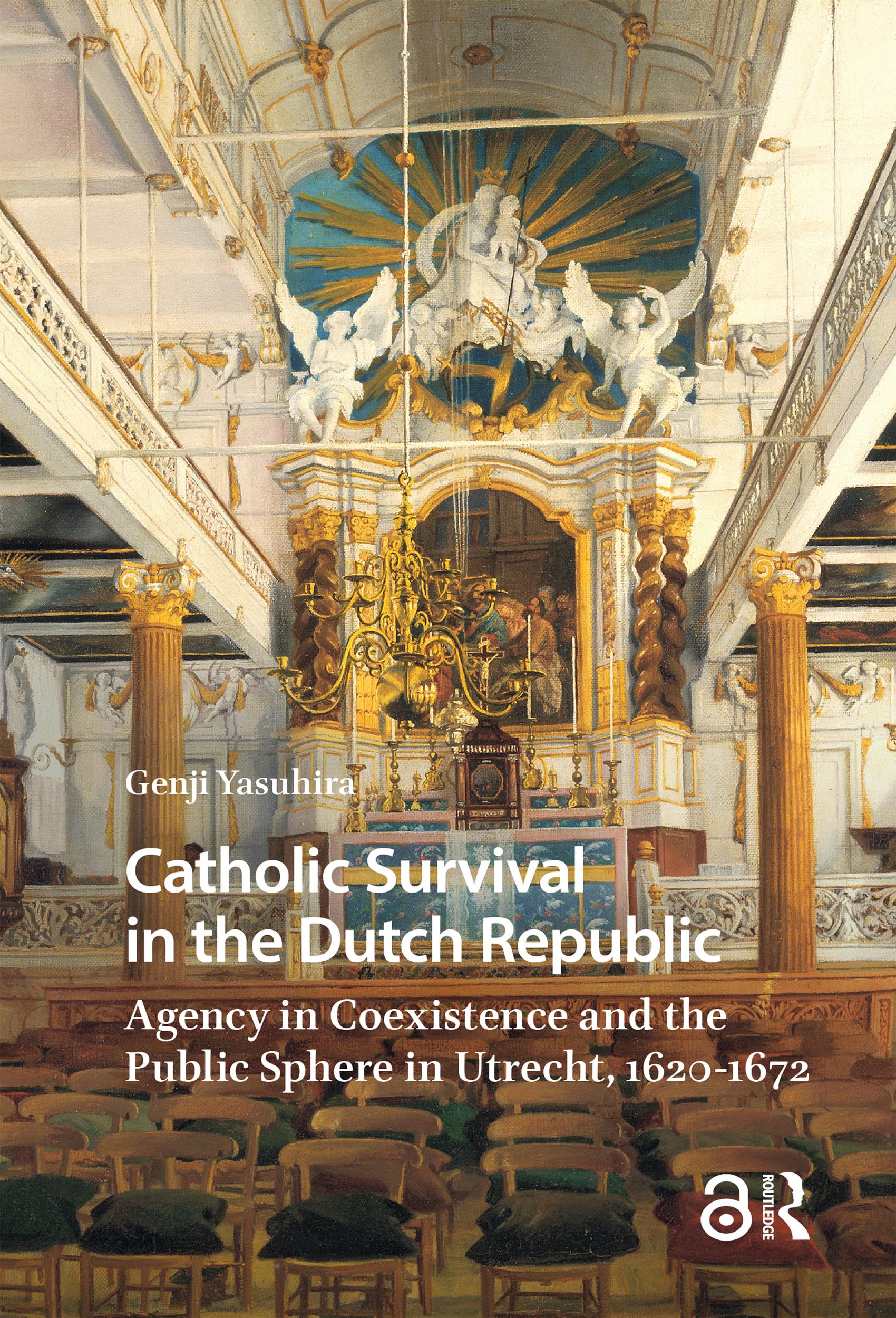
Even in adversity, Catholics exercised considerable agency in post-Reformation Utrecht. Through the political practices of repression and toleration, Utrecht’s magistrates, under constant pressure from the Reformed Church, attempted to exclude Catholics from the urban public sphere. However, by mobilizing their social status and networks, Catholic Utrechters created room to live as pious Catholics and honourable citizens, claiming more rights in the public sphere through their spatial practices and in discourses of self-representation. This book explores how Catholic priests and laypeople cooperated and managed to survive the Reformed regime by participating in a communal process of delimiting the public, continuing to rely on the medieval legacy and adapting to early modern religious diversity. Deploying their own understandings of publicness, Catholic Utrechters not only enabled their survival in the city and the Catholic revival in the Dutch Republic but also contributed to shaping a multi-religious society in the Northern Netherlands.
Pay easily by card, Klarna, Apple Pay or Google Pay. Not happy? You always have a 14-day money-back guarantee. Read more in our terms. If you have any questions, email us at hello@memmo.org.
Memmo makes studying easier – wherever you are in the world. We bring your course books and smart study tools together in one place: summaries, quizzes, podcasts and flashcards. Plus Ted, your study buddy who answers anything you wonder. Over 50,000 students already study here – built to help you learn faster and stress less.
You might also like
Buy the book0