
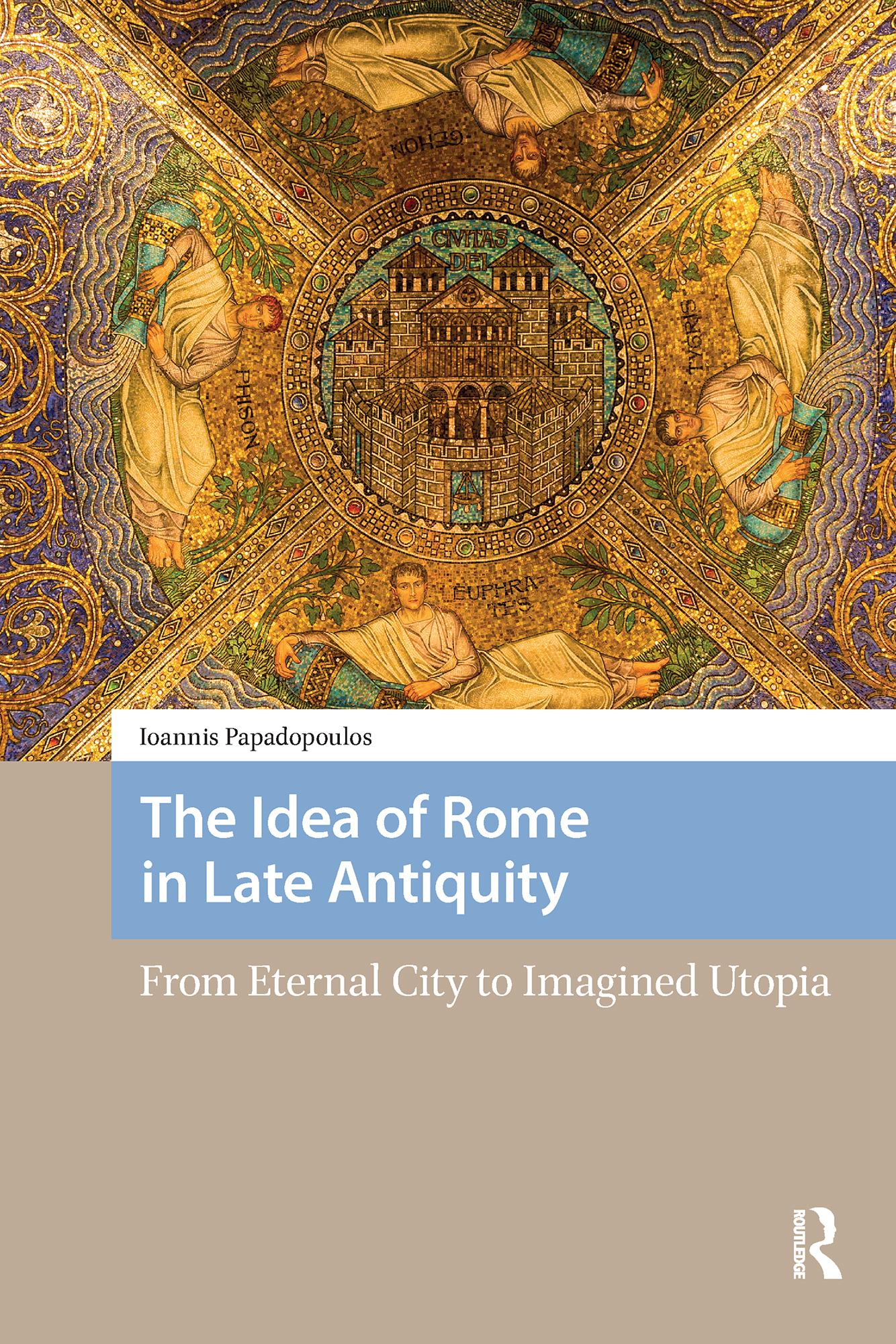
This book approaches the manifestation and evolution of the idea of Rome as an expression of Roman patriotism and as an (urban) archetype of utopia in late Roman thought in a period extending from AD 357 to 417. Within this period of about a human lifetime, the concepts of Rome and Romanitas were reshaped and used for various ideological causes. This monograph unfolds through a selection of sources that represent the patterns and diversity of this ideological process. The theme of Rome as a personified and anthropomorphic figure and as an epitomized notion 'applied' on the urban landscape would become part of the identity of the Romans of Rome highlighting a sense of cultural uniqueness in an era when their city’s privileged status was challenged. Towards the end of the chronological limits set in this thesis various versions of Romanitas would emerge indicating new physical and spiritual potentials.
Pay easily by card, Klarna, Apple Pay or Google Pay. Not happy? You always have a 14-day money-back guarantee. Read more in our terms. If you have any questions, email us at hello@memmo.org.
Memmo makes studying easier – wherever you are in the world. We bring your course books and smart study tools together in one place: summaries, quizzes, podcasts and flashcards. Plus Ted, your study buddy who answers anything you wonder. Over 75,000 students already study here – built to help you learn faster and stress less.