
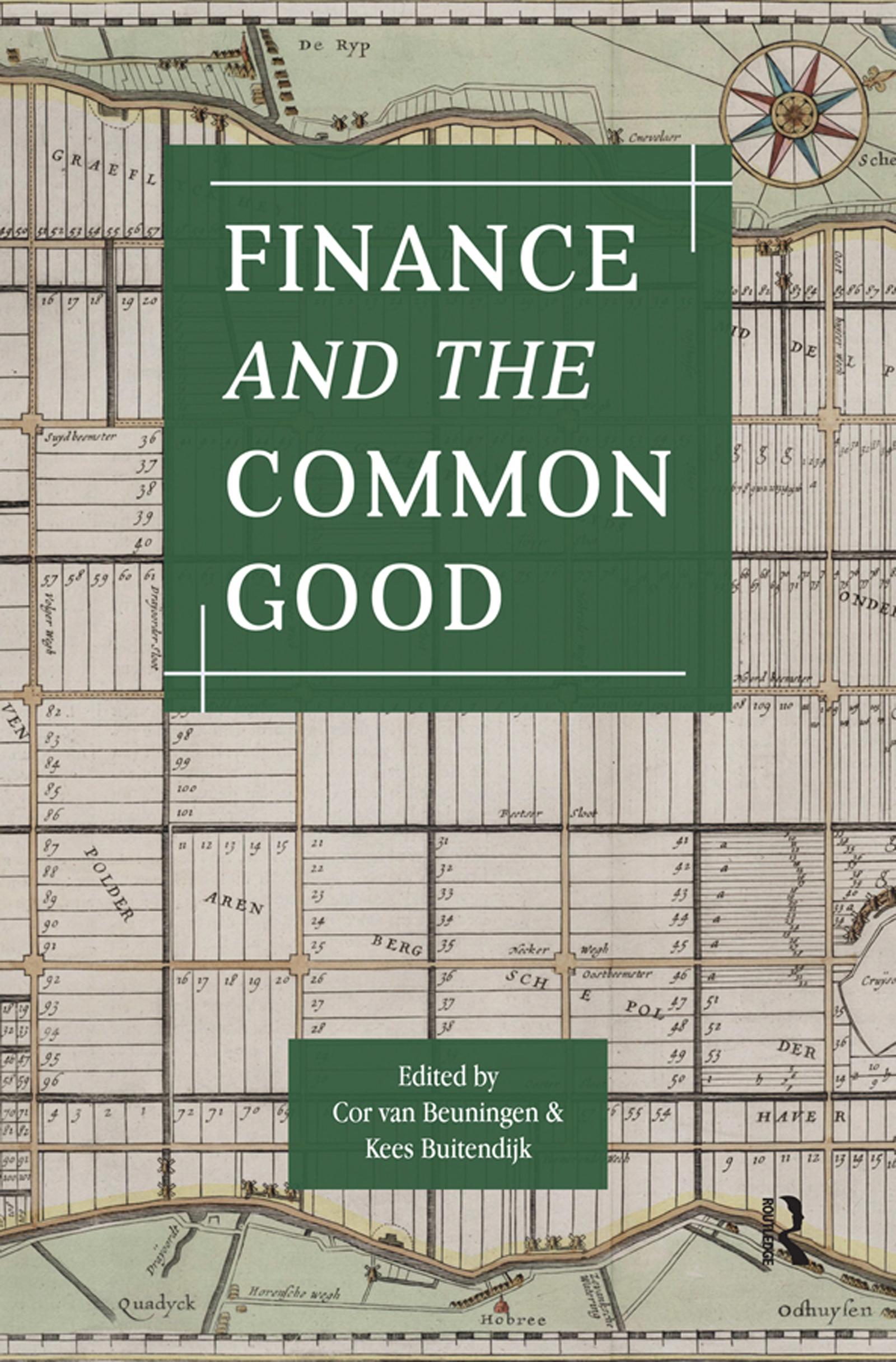
Over the past fifty years, (financial) capitalism has brought about an enormous growth in wealth. Millions around the world have been lifted out of poverty. However, the downsides of the present global economic constitution are rapidly becoming evident as well. Rising inequality, soaring debt levels, and repeated cycles of boom and bust have proven to be some of its key characteristics. After the 2008 crisis brought the financial system to the brink of collapse, new regulations, stricter supervision, higher capital requirements, and ethical codes were introduced to the sector. Today we find ourselves in the middle of another economic boom. Yet one pressing question remains: has anything changed? Have the (necessary) repairs fixed the flaws in the system? Or do we require even more fundamental reforms?
This volume builds on the observation that society has co-evolved with the financial sector. We cannot simply claim that 'finance' was the sole instigator of the 2008 crisis. Society itself has become financialized; the process of replacing relations, structures of trust and reciprocity, by anonymous and systemic transactions. The volume poses vital questions with regard to this societal development. How did this happen? And more importantly: is change possible? If yes, how?
This volume contains 21 essays on the themes mentioned above. Authors include Jan Peter Balkenende, Wouter Bos, Lans Bovenberg, Govert Buijs, and Herman Van Rompuy. A recommendation by Dutch Minister of Finance Wopke Hoekstra is also included.
Pay easily by card, Klarna, Apple Pay or Google Pay. Not happy? You always have a 14-day money-back guarantee. Read more in our terms. If you have any questions, email us at hello@memmo.org.
Memmo makes studying easier – wherever you are in the world. We bring your course books and smart study tools together in one place: summaries, quizzes, podcasts and flashcards. Plus Ted, your study buddy who answers anything you wonder. Over 50,000 students already study here – built to help you learn faster and stress less.