
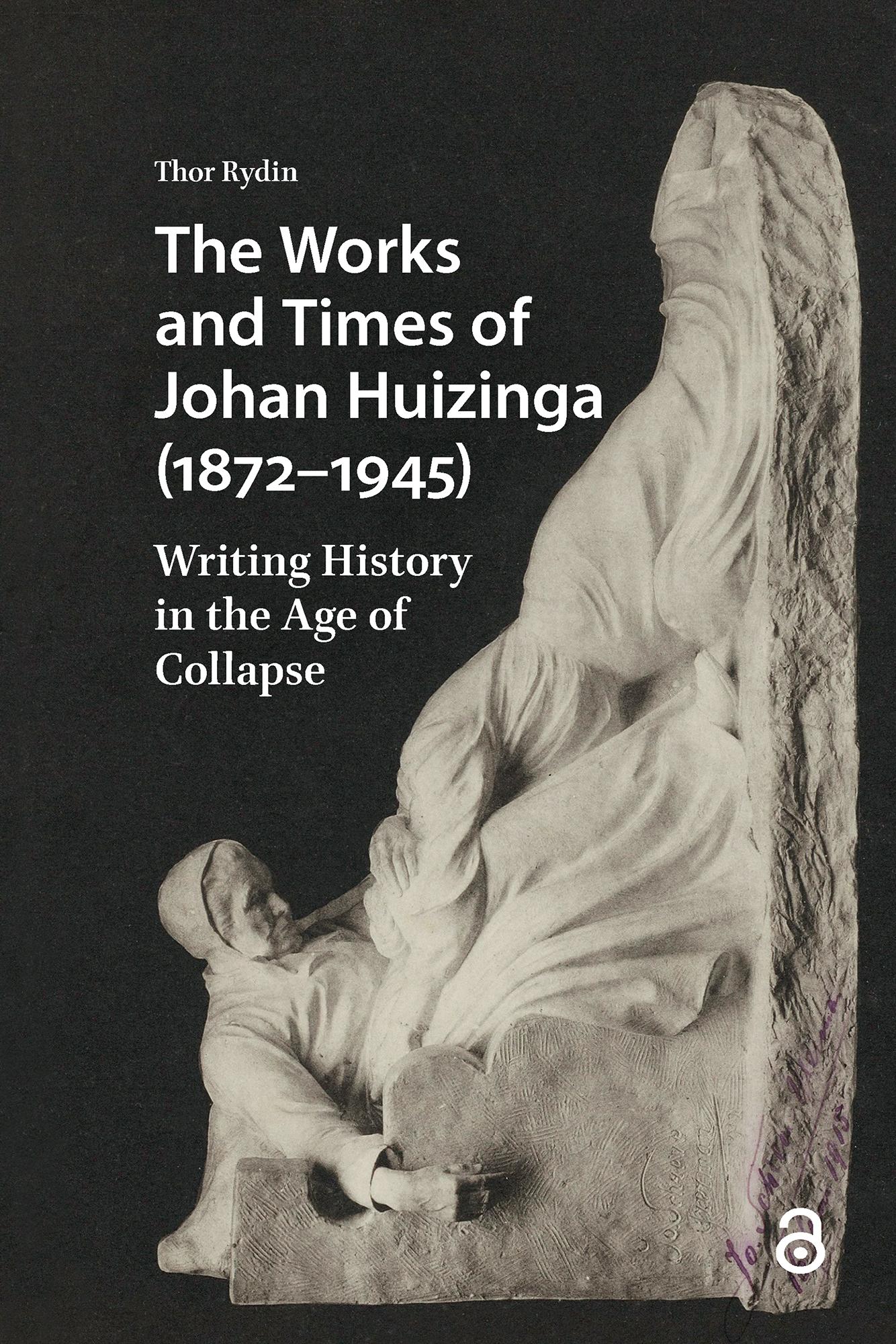
The lifetime of Johan Huizinga (1872-1945) was marked by dramatic transformations in Europe. Cityscapes, aesthetic codes, social orders, political cultures, international travel and means of warfare developed beyond recognition; entire catalogues of hopes and fears were torn asunder and replaced by new ones during not one but two wars. Amidst all these changes, Huizinga grew to become one of the most famous historians of his time. To this day, his works are treated as monuments in the cultural historical field. This book examines how these transformations and 'experiences of loss' affected and informed Huizinga's historical perspectives. Most centrally, this book contends that Huizinga's historical works helped to accommodate and give meaning to his own experiences of uncertainty and rupture, thus offering him a way of life in turbulent times. This project offers an original and comprehensive analysis of an iconic historian writing in the age of collapse.
Pay easily by card, Klarna, Apple Pay or Google Pay. Not happy? You always have a 14-day money-back guarantee. Read more in our terms. If you have any questions, email us at hello@memmo.org.
Memmo makes studying easier – wherever you are in the world. We bring your course books and smart study tools together in one place: summaries, quizzes, podcasts and flashcards. Plus Ted, your study buddy who answers anything you wonder. Over 50,000 students already study here – built to help you learn faster and stress less.
You might also like
Buy the book0