
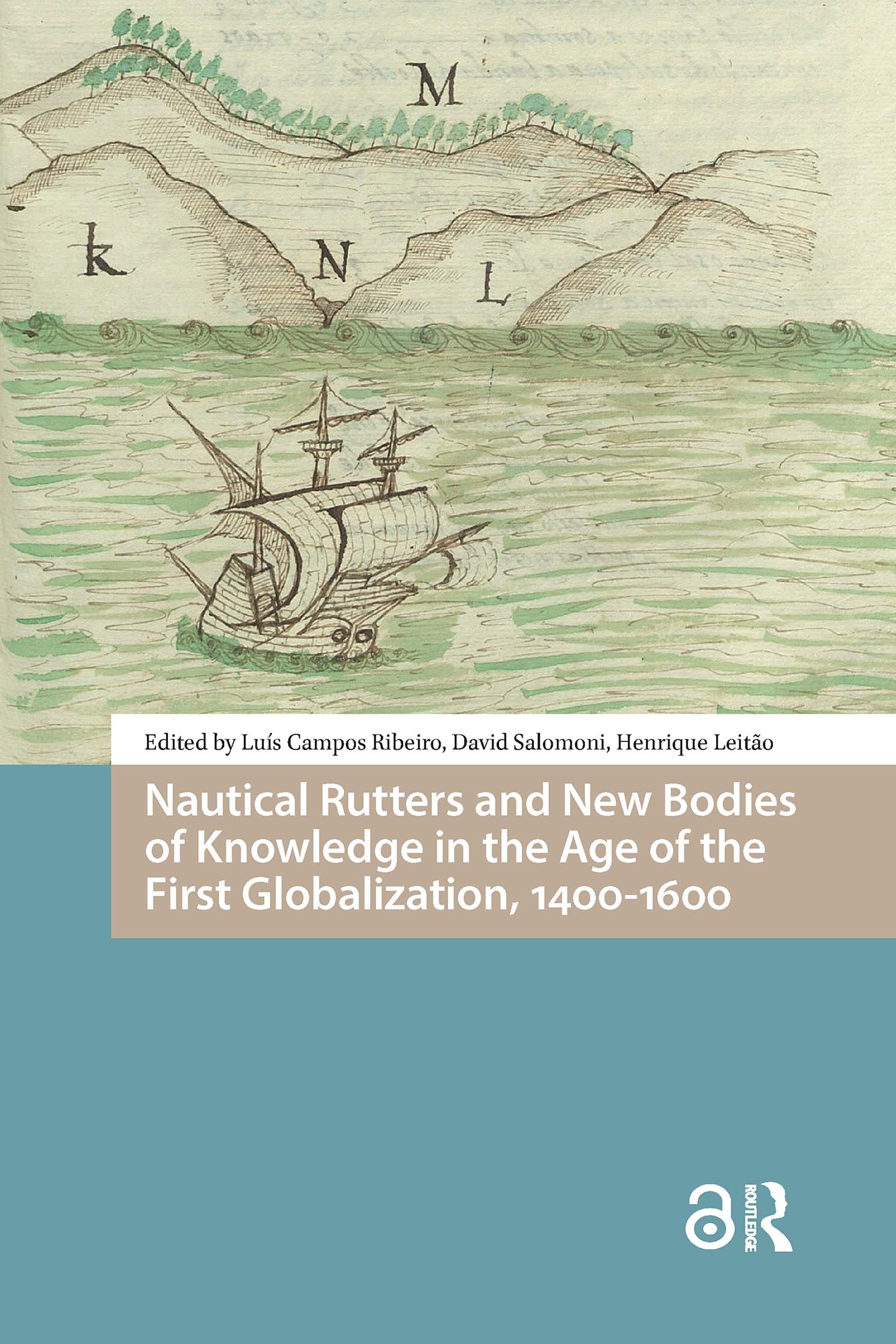
The European maritime expansion of the fifteenth century reshaped global politics, economies, and perceptions of space. Central to this transformation was the mastery of long-distance sea routes and the development of rutters—technical documents recording navigational data and geographic observations. Despite their significance, rutters have often been overlooked in studies of European imperial expansion and globalization. This book highlights the indispensable role of rutters and ships' logbooks in early modern navigation and knowledge production. Examining their legal, scientific, and cultural dimensions, it explores their evolution, influence on cartography, and impact beyond Europe, particularly in the Indian Ocean. With contributions from experts in the field, this volume underscores rutters as more than navigational aids—they were pivotal instruments in shaping global interconnectedness. Essential reading for historians of science, maritime history, and globalization, this book reveals how these documents transformed Europe's perception of a world connected by oceans.
Pay easily by card, Klarna, Apple Pay or Google Pay. Not happy? You always have a 14-day money-back guarantee. Read more in our terms. If you have any questions, email us at hello@memmo.org.
Memmo makes studying easier – wherever you are in the world. We bring your course books and smart study tools together in one place: summaries, quizzes, podcasts and flashcards. Plus Ted, your study buddy who answers anything you wonder. Over 50,000 students already study here – built to help you learn faster and stress less.
You might also like
Buy the book0