
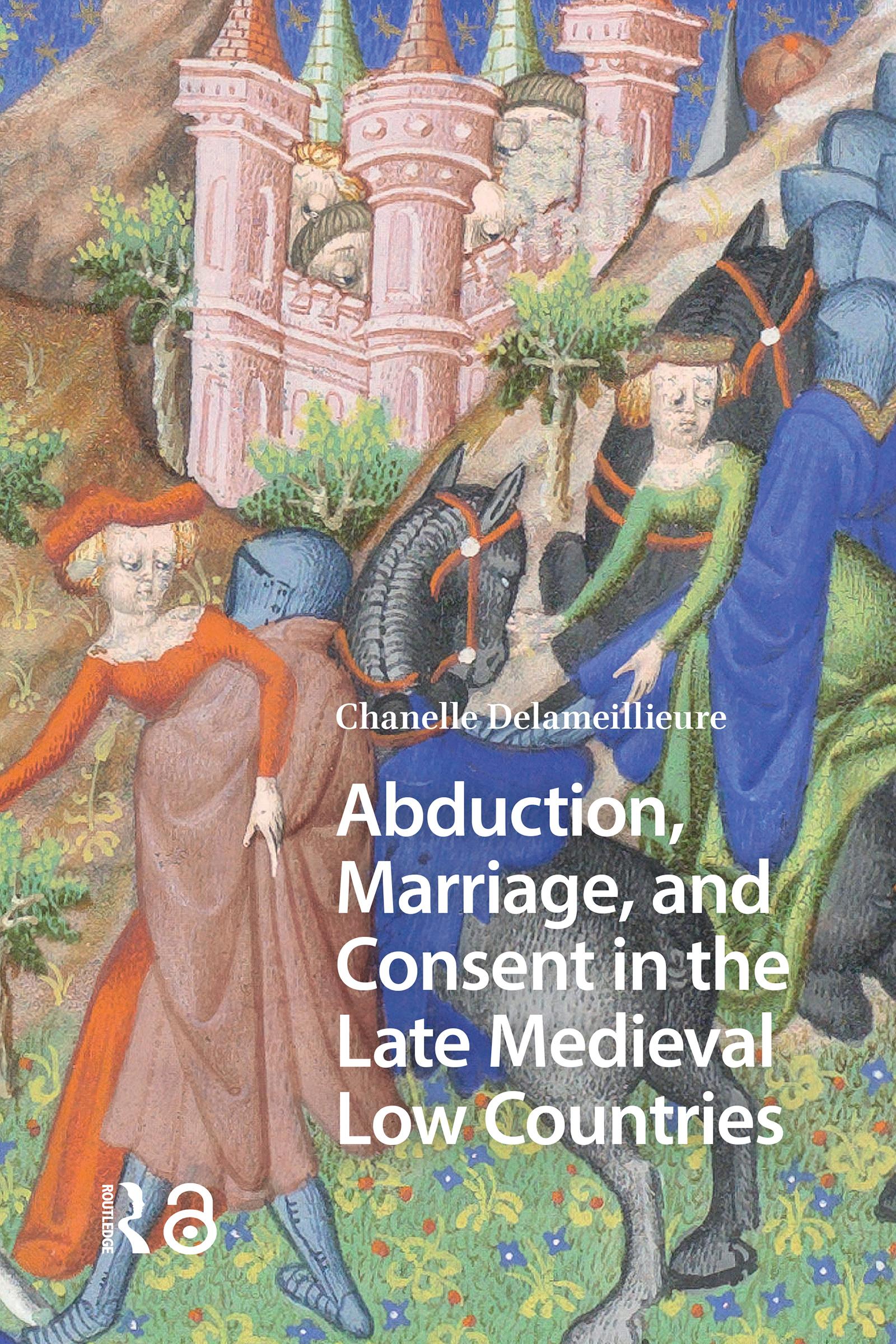
The Middle Dutch term schaec referred to abduction with marital intent. This book explores this phenomenon to understand wider attitudes towards marriage-making in the fifteenth-century Low Countries. Whilst exchanging words of consent was all that was required legally, making marriage was a social process that evoked public concern and familial scrutiny. Abductions embodied contrasting evaluations of what mattered when selecting a spouse and resulted in polarized trials in which narratives on consent, coercion, and family strategy coincided and competed. Abduction, Marriage, and Consent draws from a wide range of legal records to assess how men, women, families, and authorities used, navigated, and dealt with abductions during this period. It contributes to debates on consent, family involvement, and women’s access to justice and demonstrates that abduction should be approached as a comprehensive social phenomenon, one that is crucial in the history of marriage and women’s social and legal status.
Pay easily by card, Klarna, Apple Pay or Google Pay. Not happy? You always have a 14-day money-back guarantee. Read more in our terms. If you have any questions, email us at hello@memmo.org.
Memmo makes studying easier – wherever you are in the world. We bring your course books and smart study tools together in one place: summaries, quizzes, podcasts and flashcards. Plus Ted, your study buddy who answers anything you wonder. Over 50,000 students already study here – built to help you learn faster and stress less.