
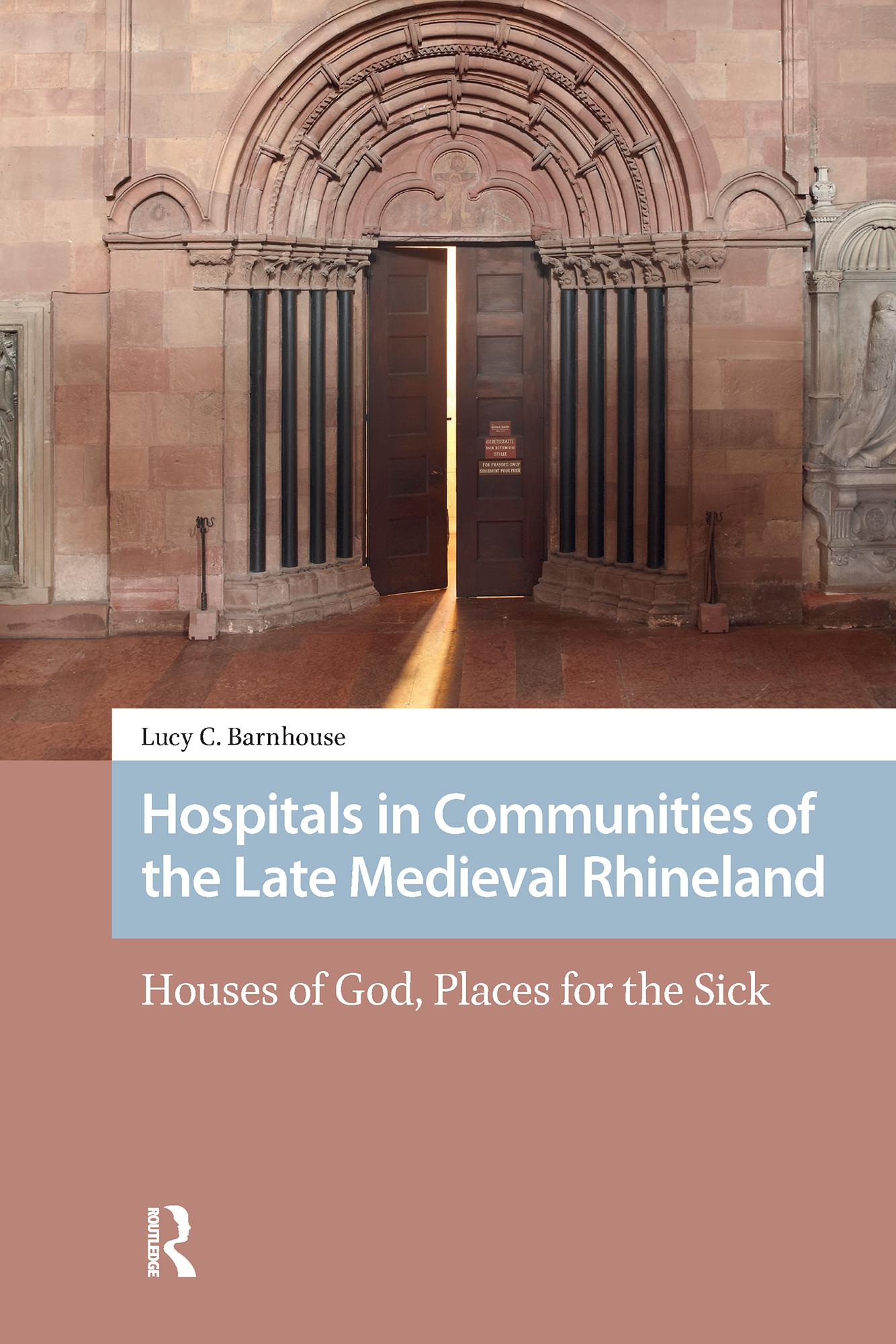
From the mid-twelfth century onwards, the development of European hospitals was shaped by their claim to the legal status of religious institutions, with its attendant privileges and responsibilities. The questions of whom hospitals should serve and why they should do so have recurred — and been invested with moral weight — in successive centuries, though similarities between medieval and modern debates on the subject have often been overlooked. Hospitals’ legal status as religious institutions could be tendentious and therefore had to be vigorously defended in order to protect hospitals’ resources. This status could also, however, be invoked to impose limits on who could serve in and be served by hospitals. As recent scholarship demonstrates, disputes over whom hospitals should serve, and how, find parallels in other periods of history and current debates.
Pay easily by card, Klarna, Apple Pay or Google Pay. Not happy? You always have a 14-day money-back guarantee. Read more in our terms. If you have any questions, email us at hello@memmo.org.
Memmo makes studying easier – wherever you are in the world. We bring your course books and smart study tools together in one place: summaries, quizzes, podcasts and flashcards. Plus Ted, your study buddy who answers anything you wonder. Over 50,000 students already study here – built to help you learn faster and stress less.
You might also like
Buy the book0