
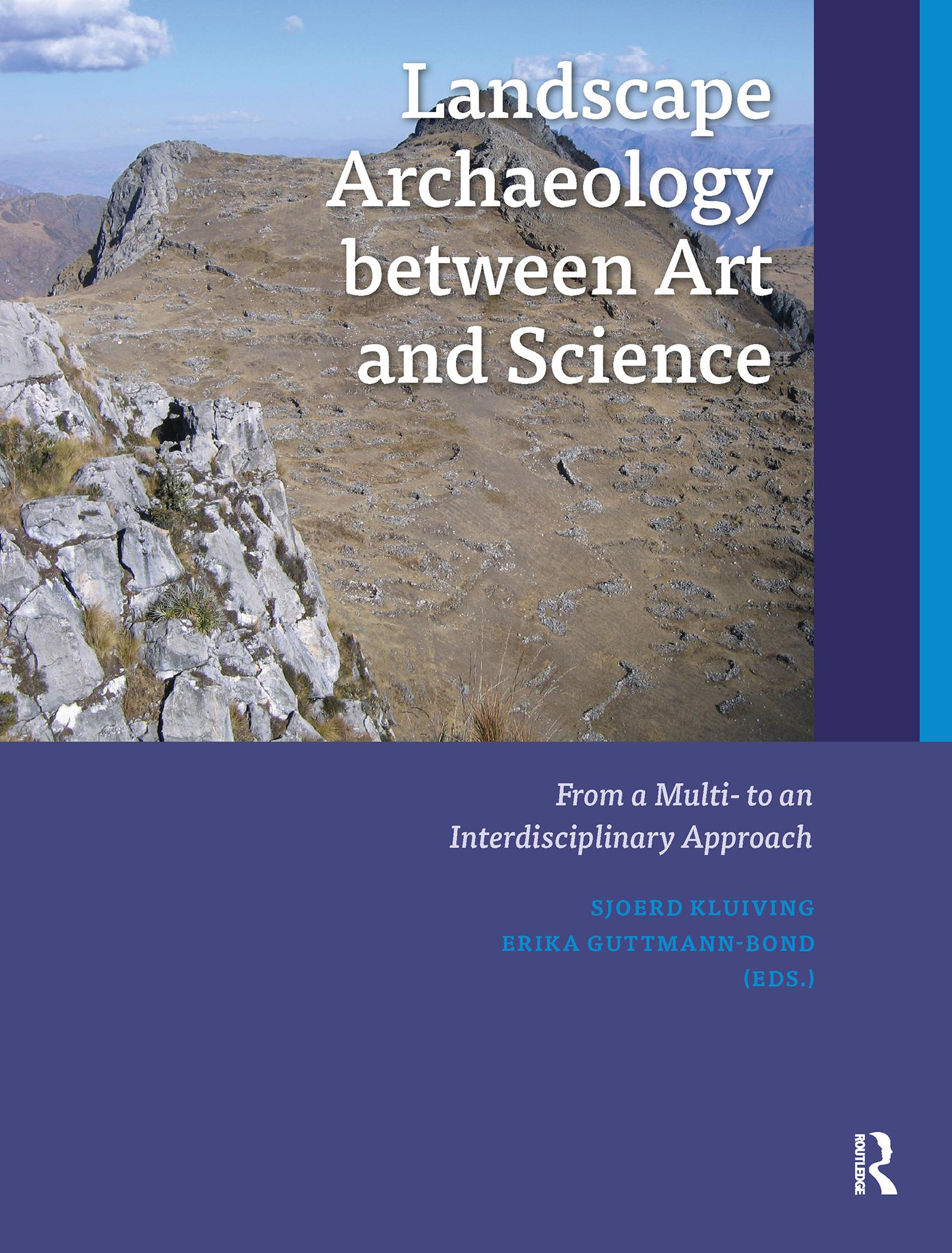
Researchers in landscape archaeology use two different definitions of landscape. One definition (landscape as territory) is used by the processual archaeologists, earth scientists, and most historical geographers within this volume. By contrast, post-processual archaeologists, new cultural geographers and anthropologists favour a more abstract definition of landscape, based on how it is perceived by the observer. Both definitions are addressed in this book, with 35 papers that are presented here and that are divided into six themes: 1) How did landscape change?; 2) Improving temporal, chronological and transformational frameworks; 3) Linking landscapes of lowlands with mountainous areas; 4) Applying concepts of scale; 5) New directions in digital prospection and modelling techniques, and 6) How will landscape archaeology develop in the future? This volume demonstrates a worldwide interest in landscape archaeology, and the research presented here draws upon and integrates the humanities and sciences. This interdisciplinary approach is rapidly gaining support in new regions where such collaborations were previously uncommon.
Pay easily by card, Klarna, Apple Pay or Google Pay. Not happy? You always have a 14-day money-back guarantee. Read more in our terms. If you have any questions, email us at hello@memmo.org.
Memmo makes studying easier – wherever you are in the world. We bring your course books and smart study tools together in one place: summaries, quizzes, podcasts and flashcards. Plus Ted, your study buddy who answers anything you wonder. Over 75,000 students already study here – built to help you learn faster and stress less.
You might also like
Buy the book0