
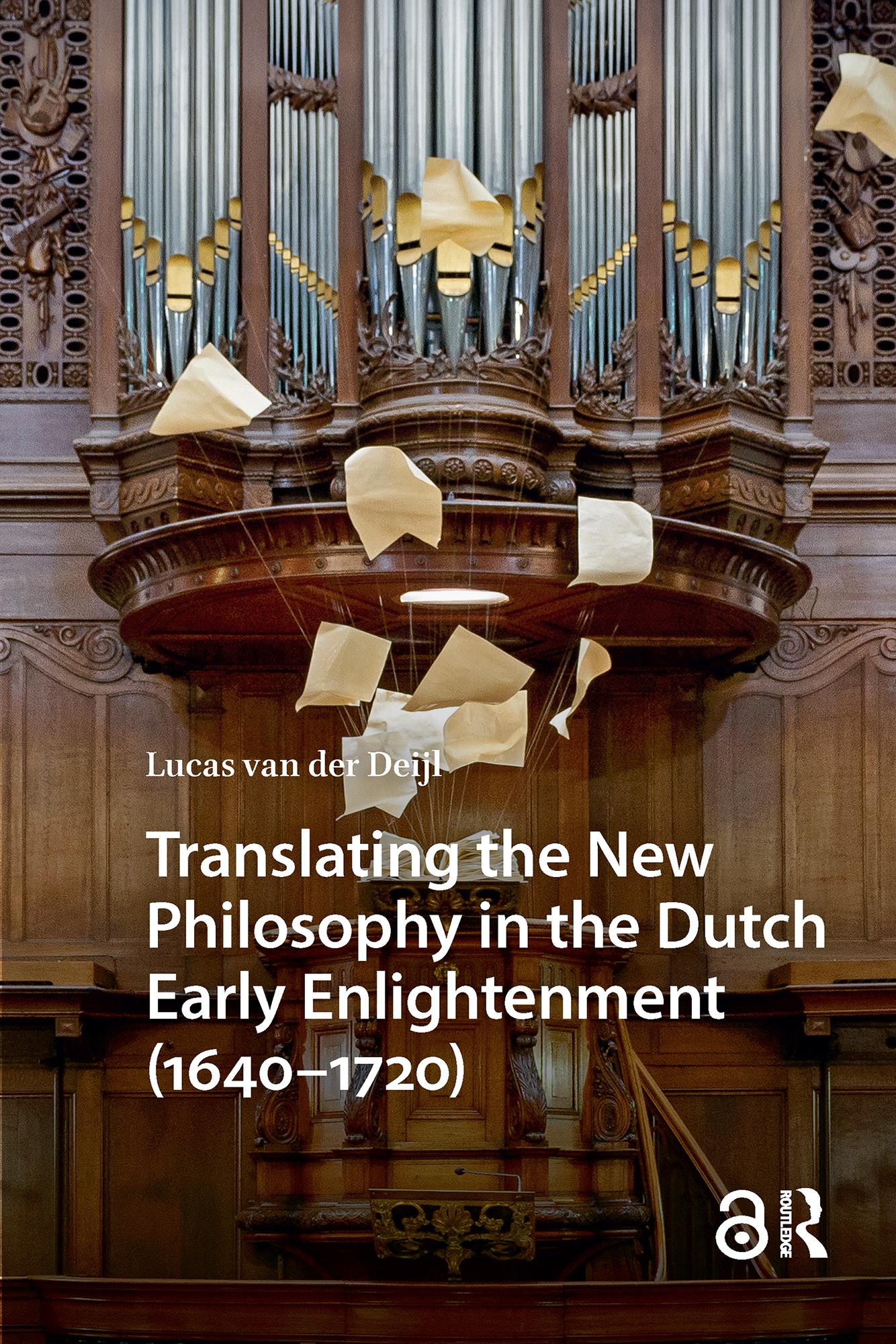
A small group of freethinkers from the Dutch Republic played a key role in the major intellectual changes of the Early Enlightenment (1640–1720). In the wake of Cartesianism, their rationalist ideas transformed debates about science, theology, medicine, and political theory. This book studies the position of four translators in these debates on the ‘New Philosophy’: Jan Hendriksz Glazemaker, Pieter Balling, Abraham van Berkel, and Stephan Blankaart. It presents a comparative history of their Dutch translations of philosophical treatises by René Descartes, Thomas Hobbes, and Benedictus de Spinoza. A combined methodology of computational and qualitative analysis offers new insights into the form and function of translated philosophical texts within the intellectual debates about language, reason, and knowledge that were partly inspired by those texts. These insights change our understanding of the crucial function of translations, multilingualism, and linguistic purism in the Dutch Early Enlightenment.
Pay easily by card, Klarna, Apple Pay or Google Pay. Not happy? You always have a 14-day money-back guarantee. Read more in our terms. If you have any questions, email us at hello@memmo.org.
Memmo makes studying easier – wherever you are in the world. We bring your course books and smart study tools together in one place: summaries, quizzes, podcasts and flashcards. Plus Ted, your study buddy who answers anything you wonder. Over 50,000 students already study here – built to help you learn faster and stress less.
You might also like
Buy the book0