
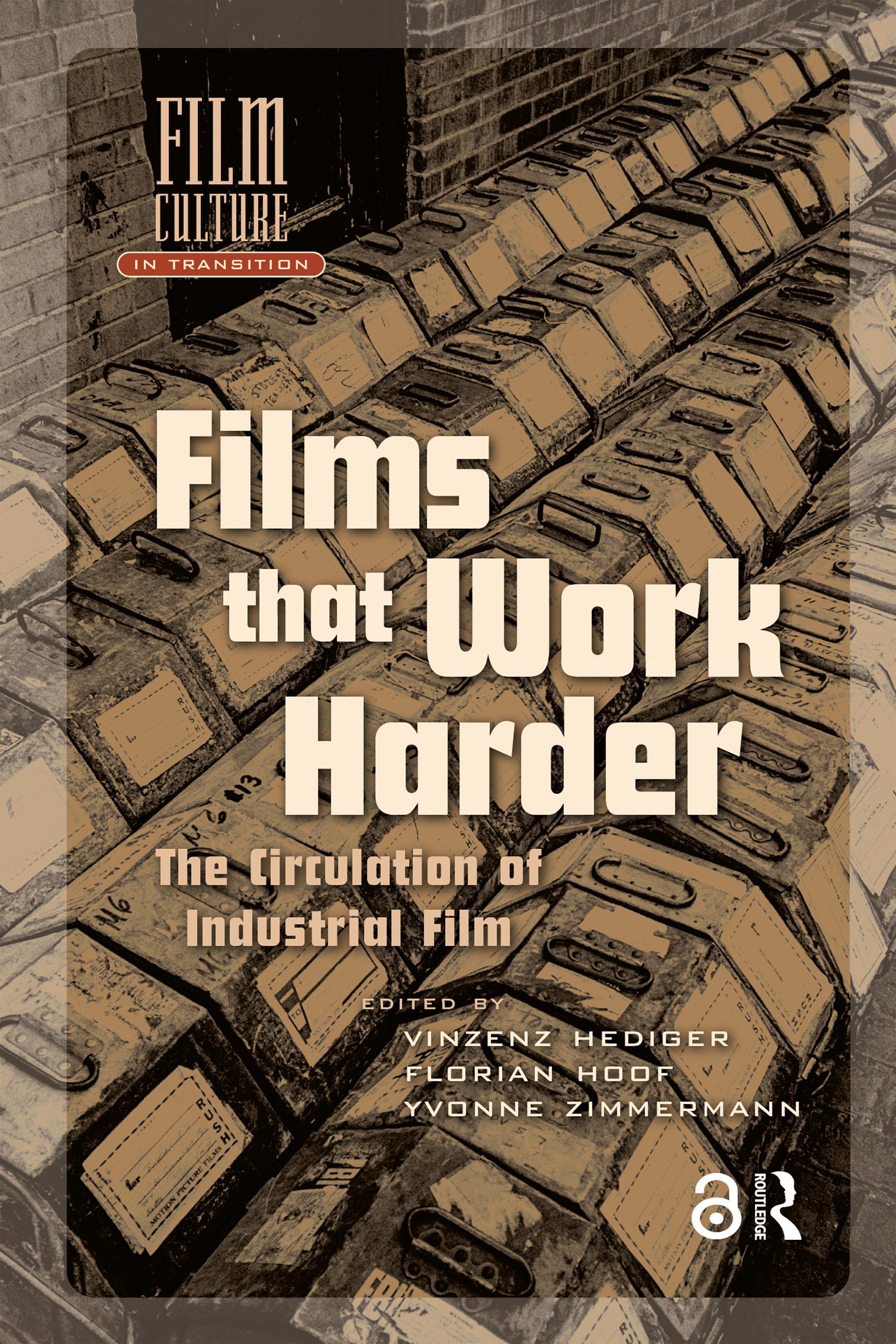
What unleashed the forces of global capitalism which continue to shape the world that we live in? Economists and economic historians variously point to innovations in logistics and trade, the emergence of a new set of business-friendly values and the emergence of new forms of applied knowledge in early modernity to solve this riddle. This book focuses on the moving image as a factor of economic development. In a series of in-depth cases studies at the intersection of film and media studies, science and technology studies and economic and social history, Films That Work Harder: The Circulations of Industrial Film presents an in-depth, global perspective on the dynamic relationship between film, industrial organization and economic development. Bringing together new research from leading scholars from Europe, Asia, Australia and North America, this book combines the state of the art in the field with an agenda for a future research. Provides a in-depth, global perspective on the complex, dynamic relationship of film, visual and organizational rhetoric and economic development. It brings together the leading scholars in a burgeoning new field of film studies with original work not previously presented elsewhere. Contributes towards the further development of an exciting new interdisciplinary research paradigm at the intersection of film studies, economic history, science and technology studies and the social sciences.
Pay easily by card, Klarna, Apple Pay or Google Pay. Not happy? You always have a 14-day money-back guarantee. Read more in our terms. If you have any questions, email us at hello@memmo.org.
Memmo makes studying easier – wherever you are in the world. We bring your course books and smart study tools together in one place: summaries, quizzes, podcasts and flashcards. Plus Ted, your study buddy who answers anything you wonder. Over 50,000 students already study here – built to help you learn faster and stress less.