
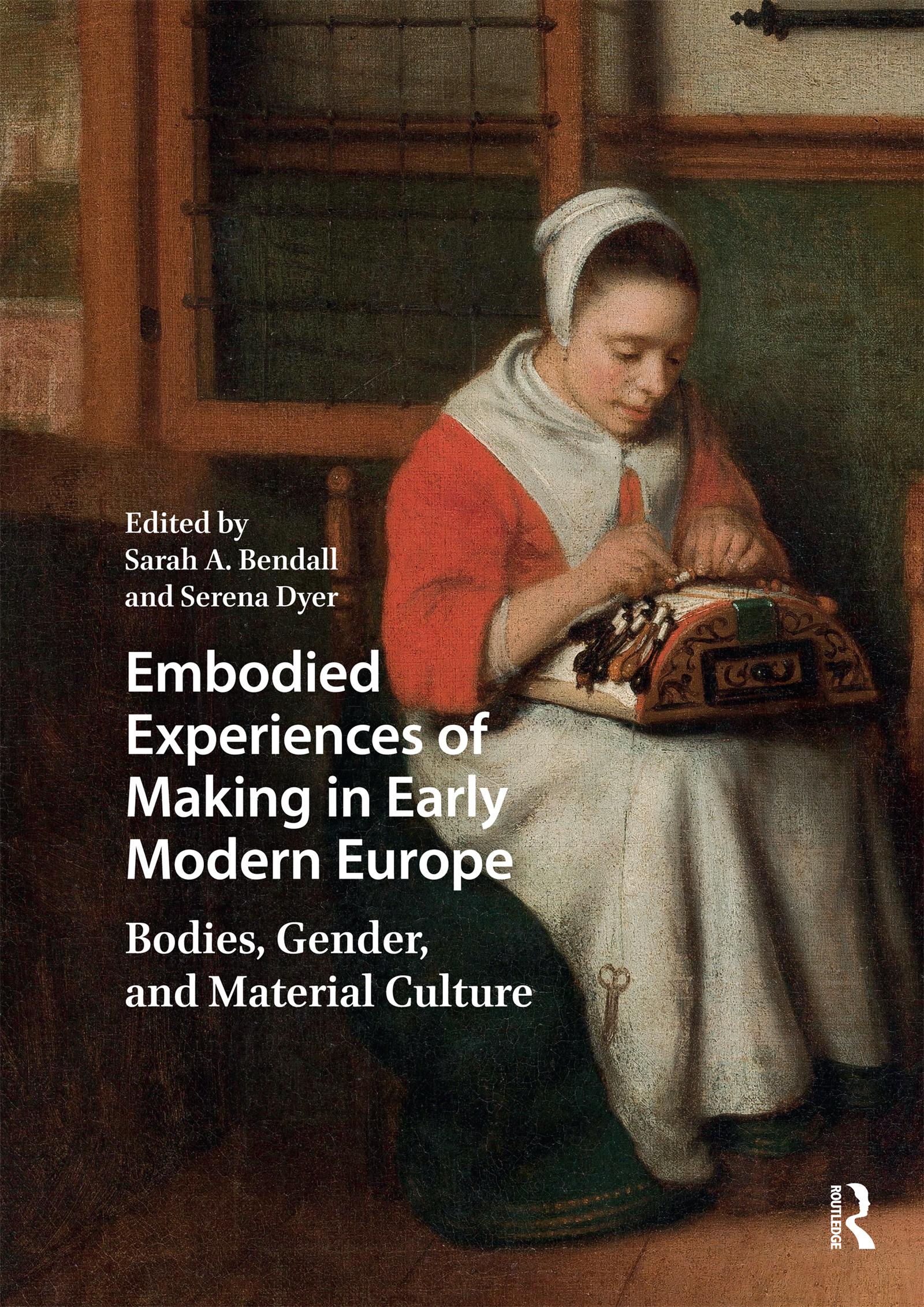
Processes of making in early modern Europe were both tacit and embodied. Whether making pottery, food, or textiles, the processes of manual production rested on an intersensory connection between mind, body, and object. This volume focuses on the body of the maker to ask how processes of making, experimenting, experiencing, and reconstructing illuminate early modern assumptions and understandings around manual labour and material life. Answers can be gleaned through both recapturing past skills and knowledge of making and by reconstructing past bodies and bodily experiences using recreative and experimental approaches., In drawing attention to the body, this collection underlines the importance of embodied knowledge and sensory experiences associated with the making practices of historically marginalised groups, such as craftspeople, women, domestic servants, and those who were colonised, to confront biases in the written archive. The history of making is found not only in technological and economic innovations which drove 'progress' but also in the hands, minds, and creations of makers themselves. First interdisciplinary collection of essays to: • Synthesise experimental history approaches used to investigate a wide range of objects – dress, cosmetics, cooking and art – and their makers or wearers in the early modern period. • Demonstrate how attention to objects and making, in both historical and modern experimental contexts, can uncover knowledge of embodied and gendered experiences that are otherwise difficult to access. • Contributes to the recently termed ‘making’ and ‘embodied’ turns in history.
Pay easily by card, Klarna, Apple Pay or Google Pay. Not happy? You always have a 14-day money-back guarantee. Read more in our terms. If you have any questions, email us at hello@memmo.org.
Memmo makes studying easier – wherever you are in the world. We bring your course books and smart study tools together in one place: summaries, quizzes, podcasts and flashcards. Plus Ted, your study buddy who answers anything you wonder. Over 50,000 students already study here – built to help you learn faster and stress less.
You might also like
Buy the book0