
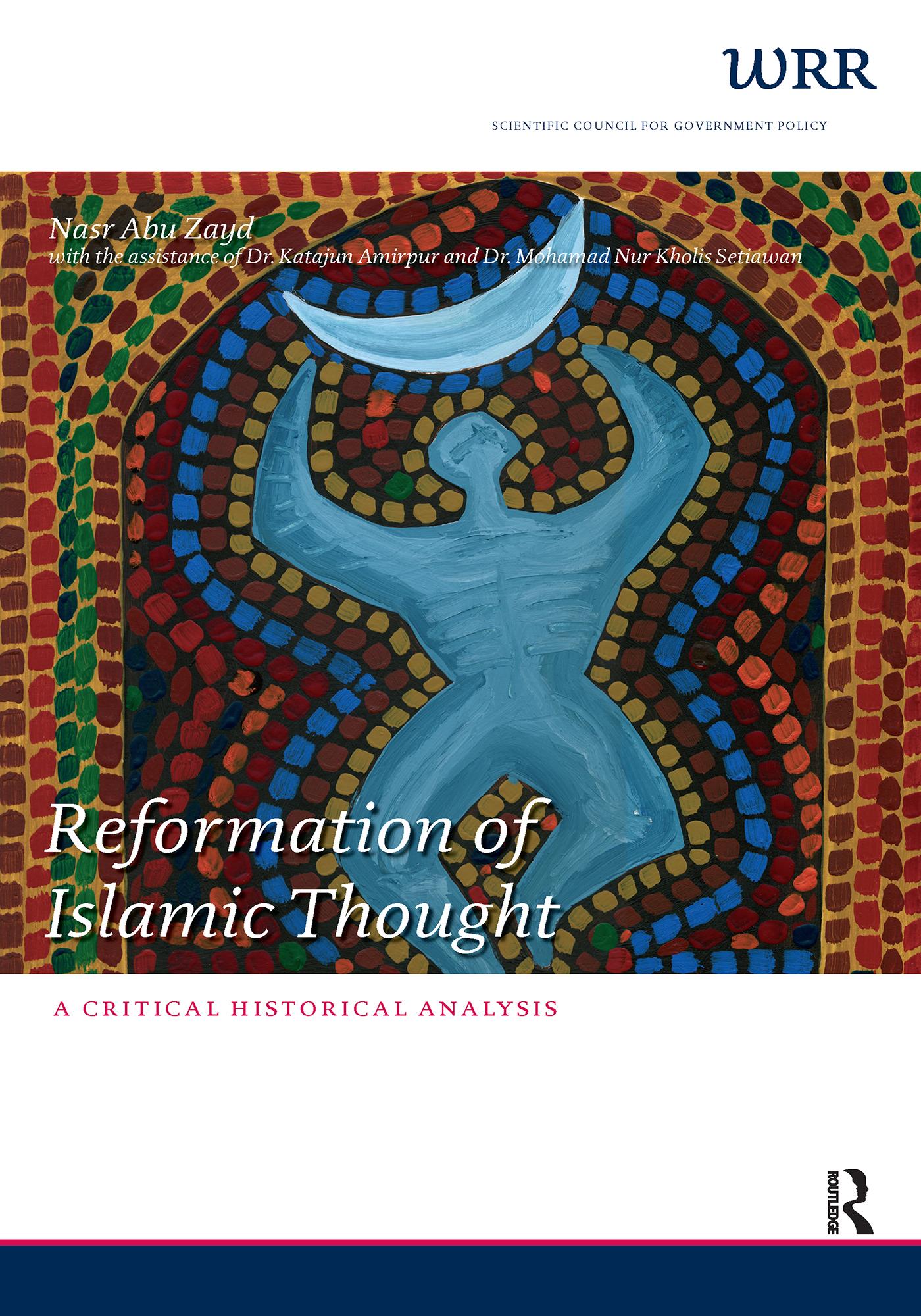
Ever since the dramatic events of September 11, 2001 the fundamentalist and exclusivist trend prevails in most presentations of Islamic thinking. Indeed, these events have given extremists and fundamentalists a much more prominent position than they might ever have dreamt of.In Reformation of Islamic Thought, the prominent Egyptian scholar Nasr Abû Zayd examines the positive, liberal, and inclusive reaction embedded in the writings of Muslim thinkers. He takes the reader on a critical journey across the Muslim World, where Muslim thinkers from Egypt and Iran to Indonesia seek to divest Islam of traditionalistic and legalistic interpretation. Instead, these thinkers stress the value of a cultural, enlightened Islam, and an individualistic faith.For many, the dogmatic Islam established by the conservatives and supported by totalitarian political regimes is outdated; they want it replaced by a spiritual and ethical Islam. To what extent are these reformist thinkers engaged in a genuine renewal of Islamic thought? Do they succeed in escaping the traditionalist trap of presenting a purely negative image of the West?
Pay easily by card, Klarna, Apple Pay or Google Pay. Not happy? You always have a 14-day money-back guarantee. Read more in our terms. If you have any questions, email us at hello@memmo.org.
Memmo makes studying easier – wherever you are in the world. We bring your course books and smart study tools together in one place: summaries, quizzes, podcasts and flashcards. Plus Ted, your study buddy who answers anything you wonder. Over 50,000 students already study here – built to help you learn faster and stress less.