
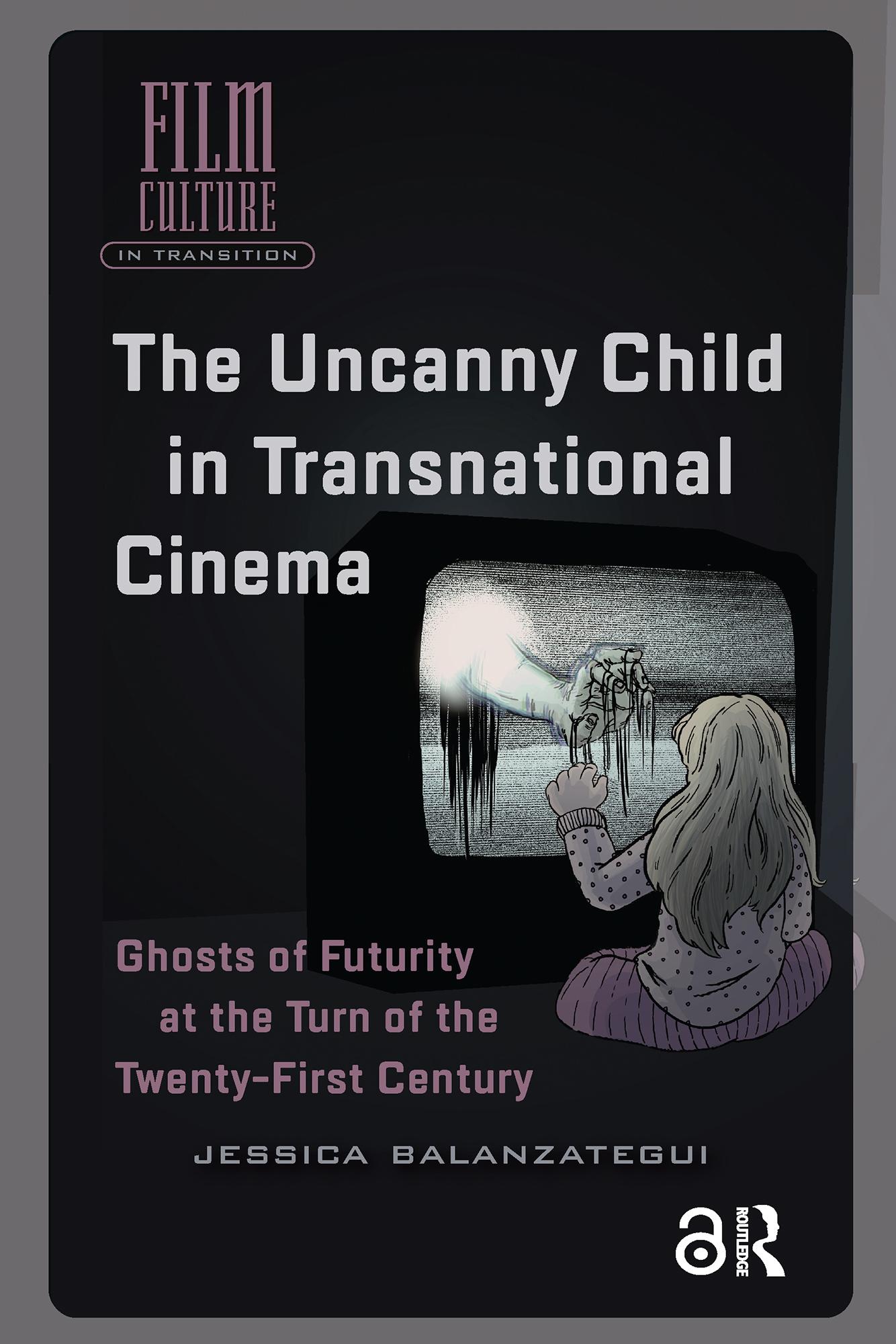
The Uncanny Child in Transnational Cinema illustrates how global horror film depictions of children re-conceptualised childhood at the turn of the twenty-first century. By analysing an influential body of transnational horror films, largely stemming from Spain, Japan, and the US, Jessica Balanzategui shows how millennial uncanny child characters resist embodying growth and futurity, unravelling concepts to which the child's symbolic function is typically bound. The book proposes that complex cultural and industrial shifts at the turn of the millennium resulted in these potent cinematic renegotiations of the concept of childhood. By demonstrating both the culturally specific and globally resonant properties of these frightening visions of children who refuse to grow up, the book outlines the conceptual and aesthetic mechanisms by which long entrenched ideologies of futurity, national progress, and teleological history started to waver at the turn of the twenty-first century.
Pay easily by card, Klarna, Apple Pay or Google Pay. Not happy? You always have a 14-day money-back guarantee. Read more in our terms. If you have any questions, email us at hello@memmo.org.
Memmo makes studying easier – wherever you are in the world. We bring your course books and smart study tools together in one place: summaries, quizzes, podcasts and flashcards. Plus Ted, your study buddy who answers anything you wonder. Over 50,000 students already study here – built to help you learn faster and stress less.